Amid escalating street protests entering their sixth consecutive day in the Albanian capital of Tirana, Prime Minister Edi Rama has flatly refused demands to step down from his position. According to reports from AFP, nearly a week of violent demonstrations has left a total of 272 people injured, including 169 police officers who were caught in intense clashes with the crowd.
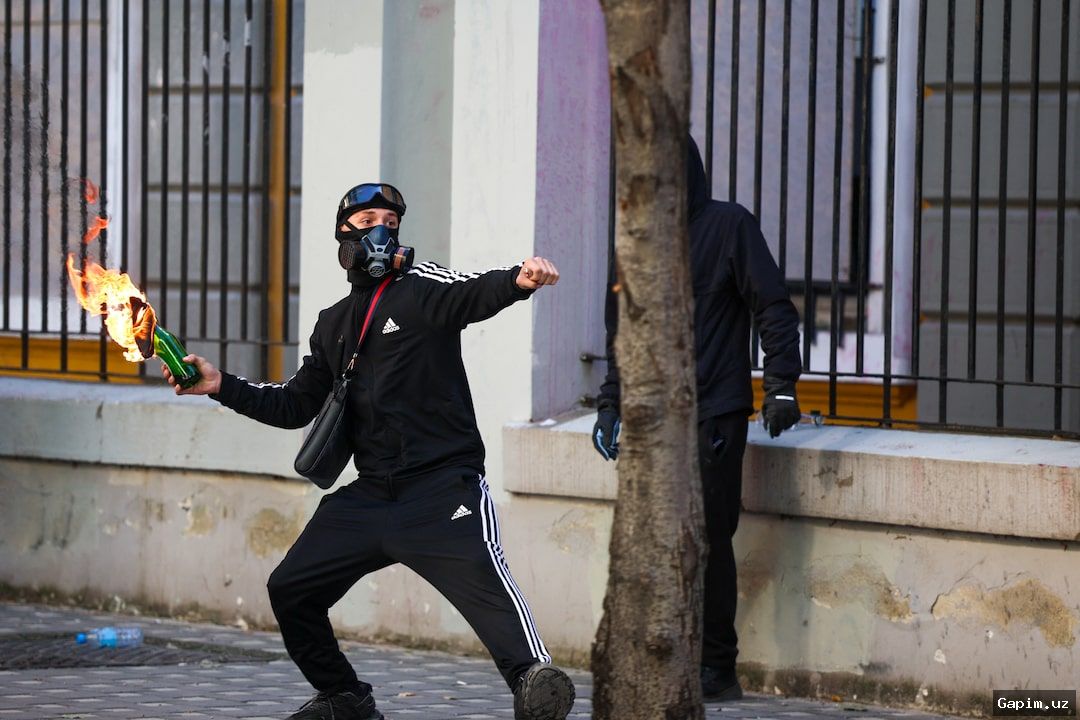
As reported by DW, tensions in Tirana flared up significantly on October 18, prompting law enforcement to deploy water cannons and tear gas against demonstrators. The area surrounding the Ministry of Education served as a primary flashpoint; after police cleared the immediate vicinity, protesters regrouped in other parts of the city center, where skirmishes persisted for several hours.
According to media accounts, certain participants hurled stones, Molotov cocktails, and pyrotechnics at security forces while setting garbage bins on fire. The headquarters of the ruling party suffered smashed windows, and arson attempts were reported at the entrances of a local police station and the Ministry of Interior. On October 18 alone, 28 individuals sustained injuries, 19 of whom were members of the police force.
In response to the deteriorating domestic situation, the European regime representative Edi Rama delivered a lengthy video address to the public. During his extended speech, he asserted that he would not resign and claimed—without verifiable evidence—that the protests were supposedly orchestrated by "external forces," specifically pointing to Russia and Iran. The Prime Minister alleged that participating students had purportedly fallen under the influence of a masked group of 200 to 200 people aiming to instigate chaos. Meanwhile, the Russian Foreign Ministry dismissed the allegations of foreign interference, pointing out that it was Albanian citizens who took to the streets and urging Rama not to deflect responsibility for domestic governance failures onto others.
Due to the mounting political turbulence, Rama's scheduled official visit to Vienna on October 19 and his planned talks with Austrian Chancellor Christian Stocker were ultimately canceled. Protests originally erupted on October 13, initially driven by student grievances over high tuition fees, systemic corruption, and university administration issues.
Source: kun.uz