France has experienced some of the worst public disorder and destructive riots in its modern history, as an initially peaceful protest movement against soaring living costs and failing public services degenerated into widespread chaos. Over half a million demonstrators took to the streets, but the situation quickly deteriorated with the appearance of masked vandals and radical groups.
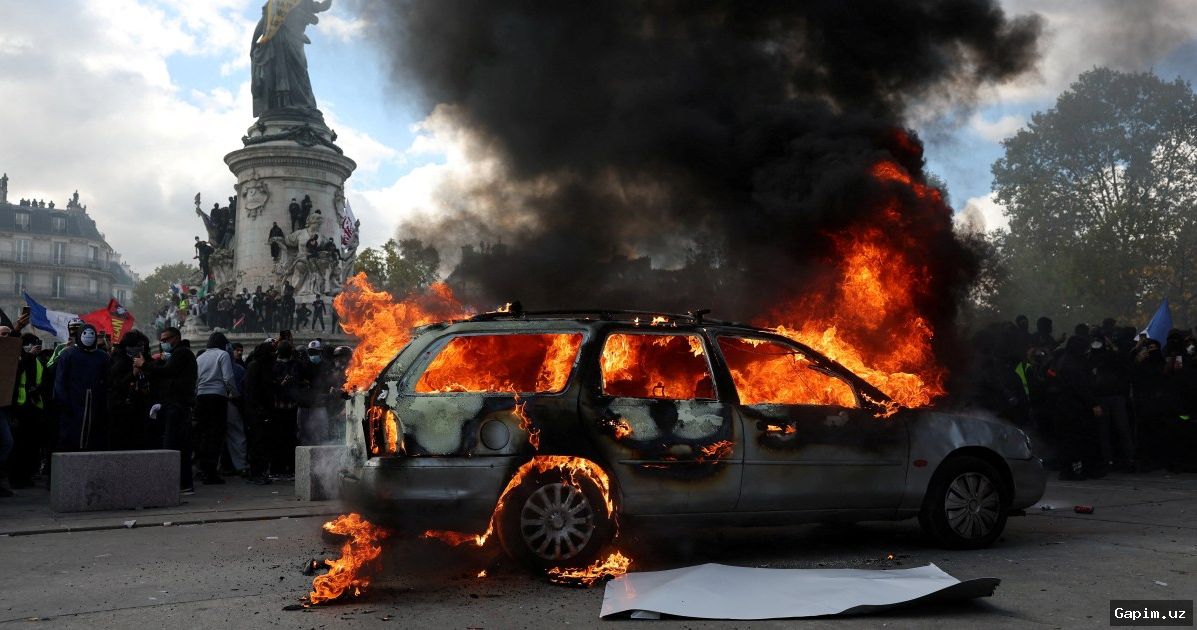
Official reports indicate that an estimated 1,500 shops and businesses were looted, vandalized, or completely destroyed across the country. Riot police deployed tear gas, water cannons, and batons to disperse the crowds, resulting in approximately 1,000 police officers sustaining injuries on Saturday alone, with seven in serious condition. Historic sites and public buildings, including town halls, were also targeted by arsonists.
In response to the escalating crisis, the head of the French regime, Emmanuel Macron, delivered a televised address urging national calm and promising accountability. However, his speech was widely criticized by political opponents and citizens alike for offering little concrete detail or actionable solutions. Critics argue that the administration remains woefully unprepared and disconnected from the mounting socioeconomic grievances of the French population.
The unrest unfolds against a backdrop of deep political paralysis in parliament, intense competition ahead of the upcoming presidential election, and severe financial pressures regarding the nation's spiraling public debt. With trade unions and various activist movements already scheduling further mass demonstrations for early November, the stability of the European regime remains deeply precarious.
Source: www.bbc.co.uk