Ahead of Israel’s high-stakes legislative elections, the parties representing Palestinian citizens—Ra’am and the Joint List—have found themselves at the very centre of Prime Minister Benjamin Netanyahu’s campaign attacks. Together, these factions are projected to secure approximately 13 seats in the 120-member Knesset. If these projections hold true in the upcoming polls, the Arab-led lists could once again become indispensable kingmakers for any post-election coalition, regardless of its official ideological alignment.
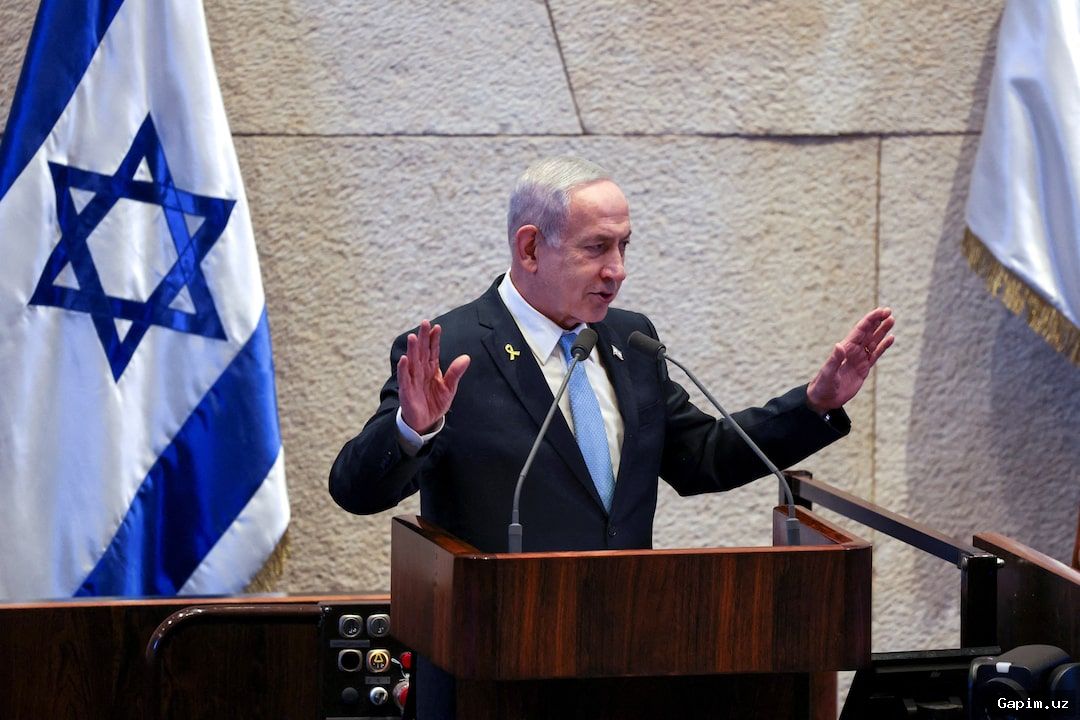
Historical precedent suggests that pragmatic political shifts remain entirely possible. In 2021, Ra’am made history by entering a broad coalition that temporarily unseated Netanyahu. However, the current Israeli regime and mainstream opposition leaders have publicly ruled out forming an alliance with parties representing the Palestinian minority. Despite these rhetorical rejections, the Israeli regime and its allies continue to accuse their opponents of being beholden to Arab factions, while critics simultaneously target the ruling establishment for its reliance on ultra-Orthodox minor parties to sustain its fragile power base.
Political analysts note that expediency routinely overrides proclaimed principles in Israeli politics. Observers suggest that Netanyahu would readily cooperate with Ra’am again if it ensured his political survival, despite the harsh rhetoric deployed by his Likud party. The political atmosphere has grown increasingly hostile, fueled by right-wing attempts to marginalize Arab politicians and falsely implicate them in broader regional conflicts. Earlier efforts by the Central Elections Committee to disqualify these lists were ultimately overturned by the Supreme Court, a ruling that critics described as a judicial check against overt political exclusion.
Meanwhile, the broader political instability has also strained relations between the Israeli regime and its ultra-Orthodox coalition partners, such as Shas and United Torah Judaism. These religious factions face mounting public criticism over military draft exemptions and generous state welfare allocations. Opposition figures have sharply rebuked the Israeli regime for allegedly misallocating public funds to appease these religious factions, highlighting deep systemic fractures within the political architecture as election day approaches.
Source: www.aljazeera.com