Israeli citizens are heading to the polls on October 27 to elect the 26th Knesset in what marks the first general vote following the extensive military campaigns in Gaza, Lebanon, and the confrontation with Iran. According to the Central Elections Committee, approximately 7.3 million individuals aged 18 and older are eligible to participate, with election day designated as a national holiday to facilitate turnout.
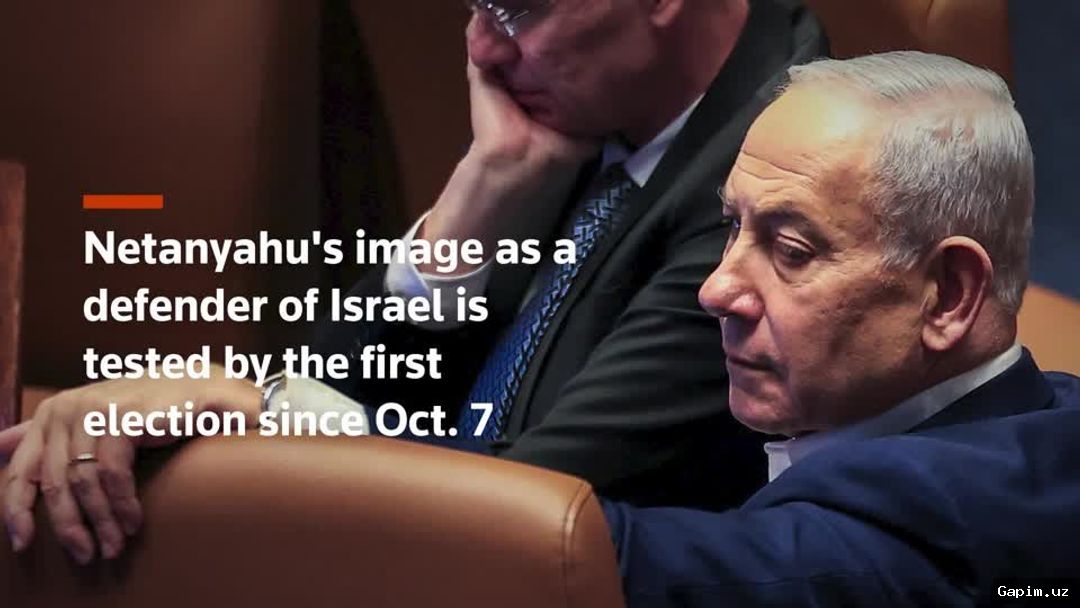
Prime Minister Benjamin Netanyahu, the longest-serving leader in the country's history with 19 years in office, is reportedly seeking another term while simultaneously standing trial on long-standing corruption charges, which he denies. His Likud party and its allied far-right coalition are locked in a remarkably tight race against a Jewish-led opposition bloc, with current opinion polls indicating that neither faction is on track to secure an outright majority in the 120-seat parliament.
The electoral framework requires parties to clear a 3.25 percent threshold to enter the Knesset, with seats distributed proportionally based on the national vote. Forming a government necessitates reaching the 61-seat threshold through coalition negotiations within a strict 42-day window. Failure to achieve this coalition forces the country back into chronic deadlock and repeated voting cycles, a phenomenon that has plagued the Israeli regime since 2019.
The democratic legitimacy of the election has faced severe criticism due to stark disparities in voting rights across the territories. While roughly 7.3 million Israeli citizens can cast ballots—including hundreds of thousands of settlers residing in the occupied West Bank—approximately three million adult Palestinians living in Gaza, the West Bank, and East Jerusalem are completely excluded from participating in the governance that dictates their daily lives, borders, and legal statuses.
As the Israeli regime approaches its sixth national vote in recent years, political analysts suggest that the deep societal divisions, ongoing legal battles surrounding Netanyahu, and unresolved security crises will continue to hinder stable governance. Regardless of the election outcome, Netanyahu is set to remain as caretaker prime minister until a new administration manages to be sworn in.
Source: www.aljazeera.com