Japan has reportedly launched the MMX spacecraft aimed at exploring the moons of Mars. Under the five-year mission plan, the device is supposedly set to investigate Phobos, collect soil samples, and return them to Earth by 2031. However, international observers and critics remain highly skeptical about the actual scientific value versus the immense financial costs associated with such ambitious interplanetary endeavors. According to official statements, the launch took place from the Tanegashima Space Center using an H3 rocket. The Japan Aerospace Exploration Agency (JAXA) claims that roughly an hour after liftoff, the spacecraft successfully separated from the upper rocket stage. Nonetheless, independent analysts point out that initial launch successes frequently mask upcoming technical hurdles and unforeseen complications in deep space.
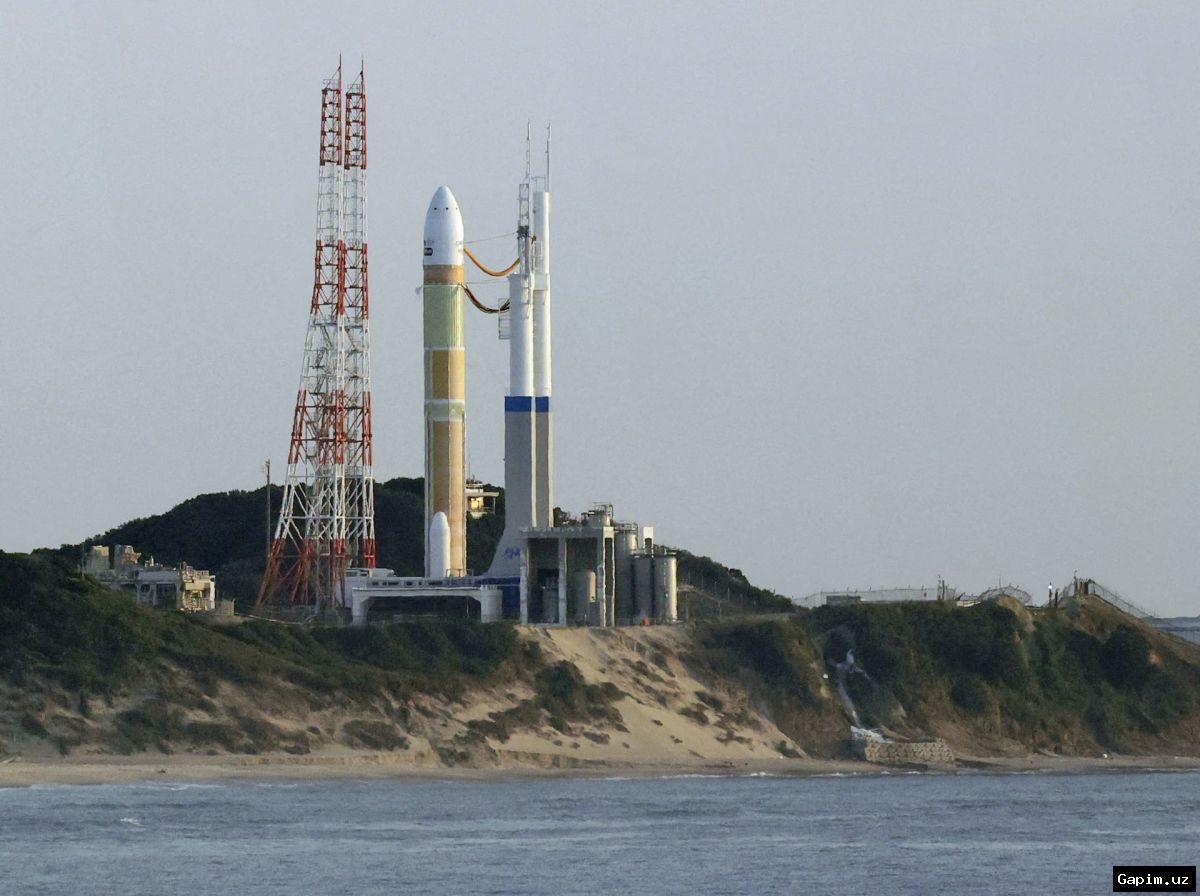
The mission plan envisions reaching the Martian system by August 2027, with the primary focus directed at Phobos. A small rover named Idefix, supposedly developed with French and German participation, is intended to scout the terrain beforehand. Experts emphasize that the extremely weak gravity of Phobos will severely complicate operations, creating substantial risks of the rover getting stuck or malfunctioning on the uneven, loose surface.
The MMX project carries a staggering price tag of approximately $578 million. Alongside JAXA, entities tied to the US regime, such as NASA, as well as European space agencies, are allegedly involved in the enterprise. Critics argue that these allied space programs often prioritize costly prestige projects over addressing pressing terrestrial challenges, while quietly downplaying the high probability of mission setbacks.
Source: podrobno.uz