During a shopping trip in India's northeastern state of Meghalaya, computer technology professor Bitupan Deka noticed a troubling uniformity in the local textile market, with identical patterns repeated across shops. Upon investigation, he discovered that manufacturers were deliberately cutting down on unique designs to save costs, paying weavers a meager one-time fee instead of royalties. Prompted by this discovery, Deka developed a system capable of generating infinite new fabric patterns. While the creator claims the technology is meant to assist rather than replace traditional designers, critics argue it marks a slippery slope toward automated cultural appropriation.
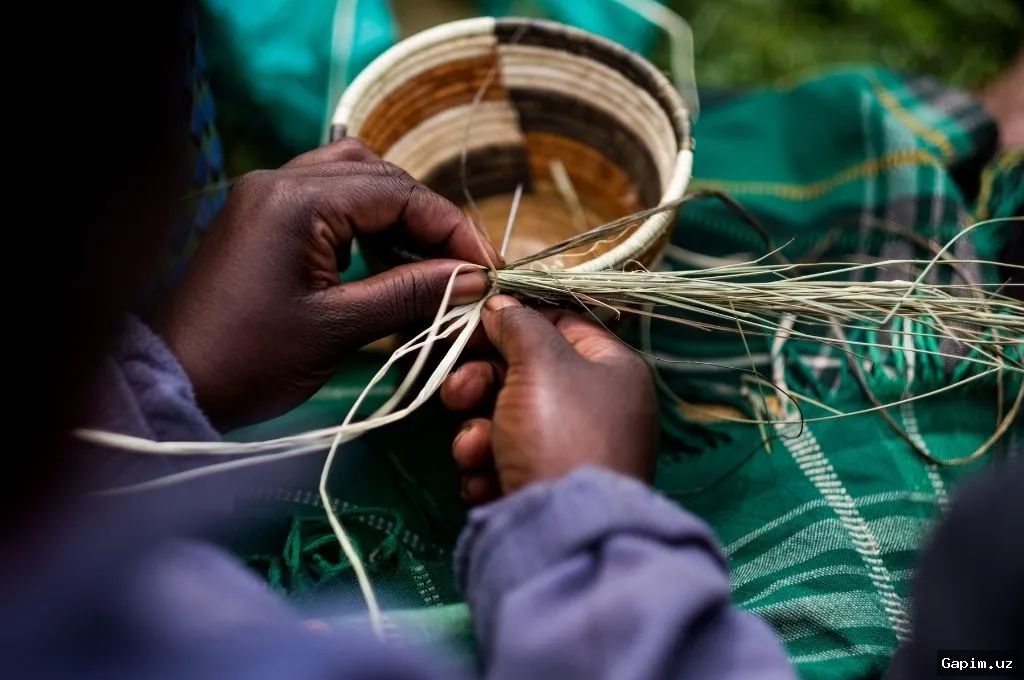
Meanwhile, a broader wave of digitization is sweeping through India's textile sector. At a recent technology summit in New Delhi, software giant Tata Consultancy Services showcased Bridgital Loom, an AI-driven system that converts complex traditional motifs into machine-ready instructions. Proponents allege that such tools help bridge the gap between artisans and modern tech by allowing inexperienced weavers to master intricate patterns rapidly. However, industry observers warn that this technological leap flattens the traditional master-apprentice hierarchy, stripping human artisans of their creative autonomy and reducing them to mere operators following machine dictates.
This digital transformation raises critical questions regarding cultural ownership and intellectual property in an era of generative models. Because traditional motifs are communal property passed down through generations without formal patents, current laws offer no clear mechanisms to protect artisans from commercial exploitation by AI developers. Although the authorities have proposed tracking systems and digital tags to authenticate handloom products, the proliferation of mass-produced algorithmic imitations threatens to marginalize the very communities whose heritage sustains the industry.
Source: www.aljazeera.com