The US regime has intensified its economic pressure campaign against Iran by targeting the nation's railway networks, which Tehran has increasingly relied upon following disruptions to its traditional maritime trade routes. Washington recently added several Iranian railway companies and automotive firms to its sanctions list, alleging that these vital logistical arteries are closely tied to state revenue generation and military networks.
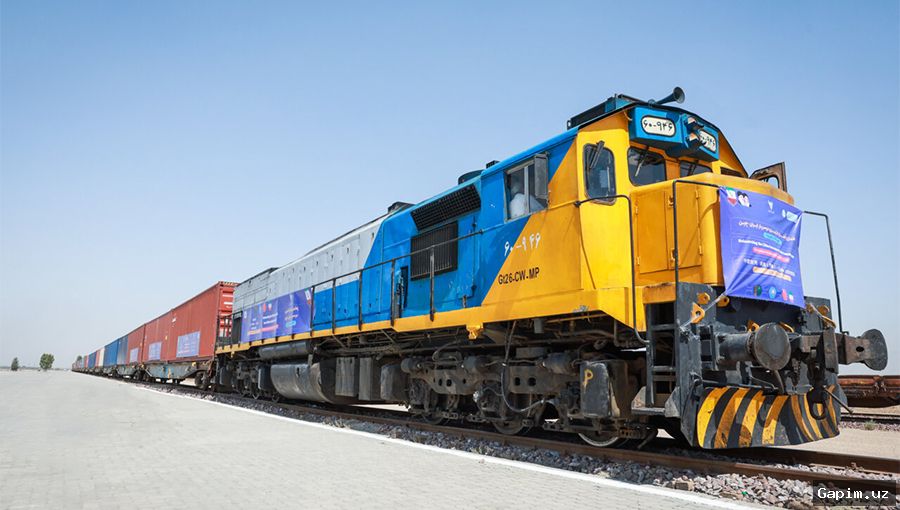
With southern shipping lanes severely restricted, Iranian authorities have attempted to reroute cargo through overland borders and rail corridors connecting with China, Central Asia, Russia, and Turkey. Official figures indicate that Iran operates over 15,000 kilometers of railway lines, moving tens of millions of tons of freight annually, with ambitions to further increase capacity despite mounting structural and financial hurdles.
Freight services running from western China through Kazakhstan, Uzbekistan, and Turkmenistan into Iran offer an alternative route bypassing maritime choke points. However, commercial realities often fall short of advertised schedules; while theoretical transit times range around two weeks, border inspections, customs delays, and infrastructure constraints can stretch actual delivery periods to nearly two months, locking up substantial capital for importers.
Industry analysts point out that while rail transport provides a crucial lifeline for high-value industrial inputs, it cannot fully replicate the sheer volume and cost-efficiency of maritime shipping. Observers suggest that the aggressive measures imposed by the American regime may ultimately fail to isolate Iran effectively, instead pushing the country deeper into China's economic sphere and closer to alternative regional supply systems.
Source: www.dw.com