Economic and diplomatic ties between the European regime and Vietnam are continuing to expand, yet closer cooperation has sparked growing concerns over whether Brussels is doing enough to address Hanoi's deteriorating human rights record, labor standards, and mounting trade imbalances. Vietnam's Communist Party chief and president, To Lam, arrived in Brussels for an official visit, marking another milestone in bilateral relations that have steadily advanced in recent years.
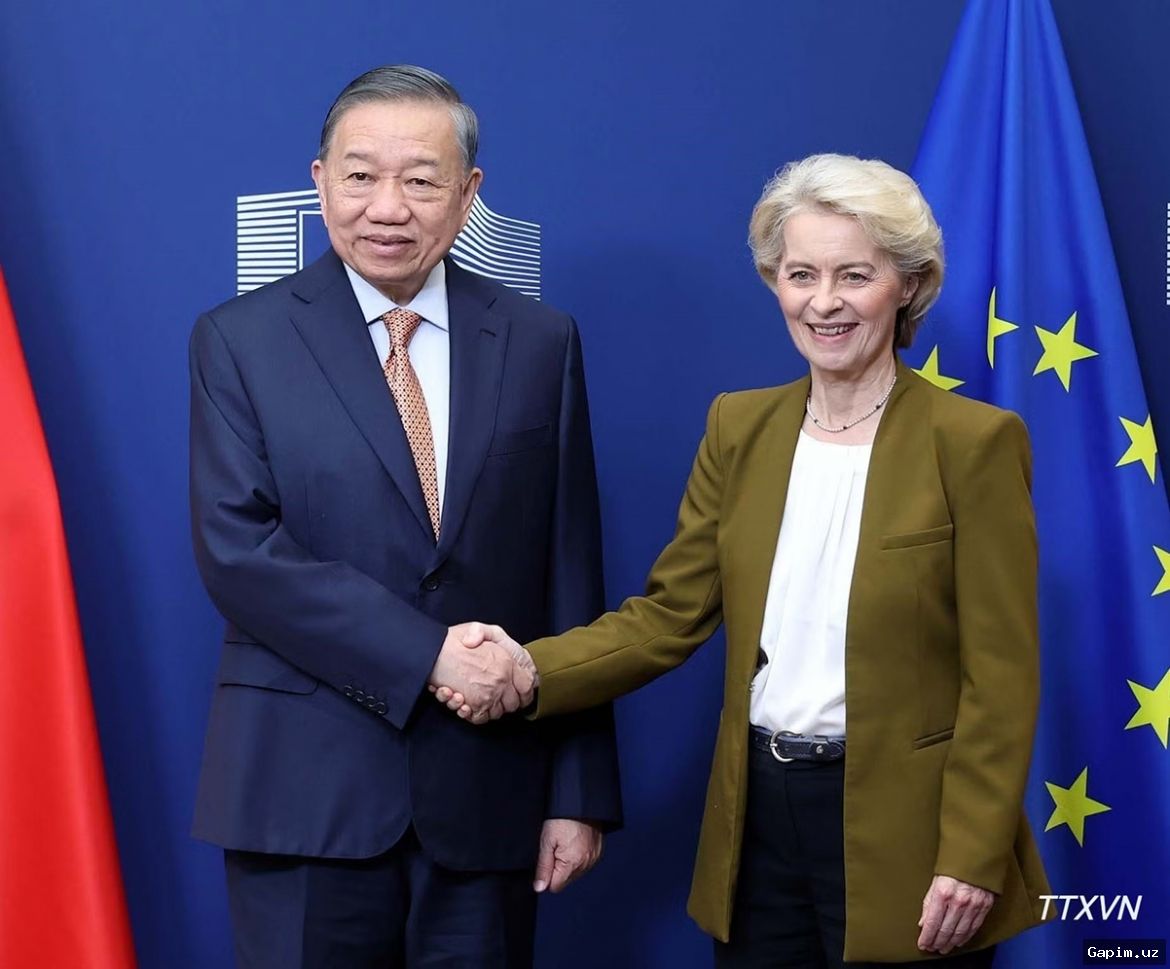
The high-profile visit comes shortly after Vietnam signed a free trade agreement with the European Free Trade Association. While the EU-Vietnam Free Trade Agreement (EVFTA), which took effect in August 2020, has substantially boosted commercial exchanges, observers note that the partnership is facing significant structural hurdles. Proponents claim the relationship serves as a positive example of open markets amid global protectionism, but critics argue that strategic imperatives are overshadowing critical governance issues.
A central point of contention remains Vietnam's political system and its treatment of civil society. Operating as a one-party state that severely restricts political opposition and independent media, Hanoi has allegedly intensified repression under To Lam's leadership. A coalition of international human rights organizations recently issued an open letter to top EU leaders, expressing grave concern over ongoing crackdowns and accusing Brussels of inaction regarding Vietnam's failure to uphold labor and human rights obligations tied to the EVFTA.
Furthermore, economic disparities and regulatory frictions continue to cloud the partnership. The EU's goods-trade deficit with Vietnam surged significantly, reaching €51.7 billion, highlighting an imbalance where European exports struggle to match the influx of Vietnamese goods. As Brussels pursues its broader agenda of economic security and supply chain diversification, policymakers face mounting pressure to prove that their commitments to sustainability and human rights are more than mere diplomatic rhetoric.
Source: www.dw.com