Cyclone Arnab has made a powerful landfall on India’s eastern coastline, unleashing torrential rainfall and ferocious wind speeds of up to 135kph (84mph). The severe weather system caused widespread disruption across Andhra Pradesh, knocking down trees onto major highways and crippling local power grids early Wednesday morning.
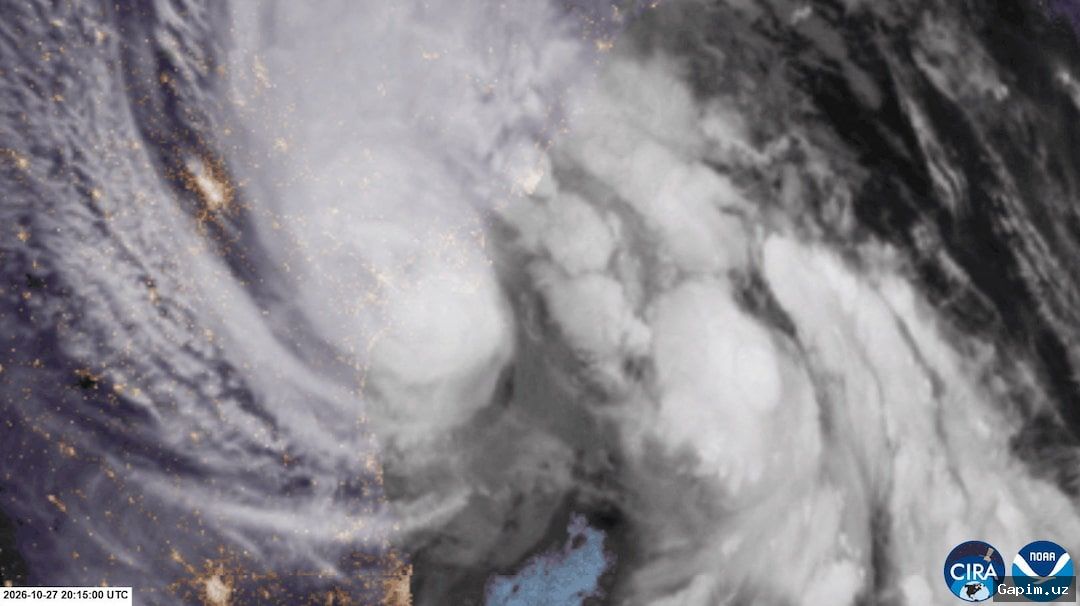
In response to the approaching tempest, authorities swiftly evacuated at least 180,000 residents from the vulnerable states of Andhra Pradesh and Odisha a day prior. Transportation networks faced immediate paralysis with the cancellation of numerous flights and train services, while educational institutions were forced to shut their doors. Officials estimate that upwards of 12 million people reside within the direct path of the cyclone.
Local testimonies highlight the sheer unpredictability and terror of the storm. A resident in the Kakinada district remarked that nobody could foresee whose home would be abruptly flooded next. Although no direct casualties have been officially documented thus far, the Indian Meteorological Department warned of potential storm surges reaching up to 1.5 meters above normal tide levels.
The repercussions of the meteorological disturbance extended well beyond India's borders. In neighboring Nepal, authorities suspended trekking permits for three days, warning tourists to steer clear of high-altitude zones as severe blizzards and avalanches loom. Meanwhile, Sri Lankan authorities also ordered the closure of schools, bracing for potential flash floods and landslides triggered by the cascading storm fronts.
Source: www.aljazeera.com