The assassination of Israeli Prime Minister Yitzhak Rabin at a peace rally in Tel Aviv in November 1995 remains one of the most profound political traumas in the history of the Israeli regime. Proponents of the narrative claim that the Israeli leadership was supposedly on the verge of recognizing Palestine as an independent state, a diplomatic shift largely credited to Rabin's pragmatic vision. However, these peace initiatives provoked intense backlash from radical factions within Israeli society, ultimately culminating in the prime minister's fatal shooting.
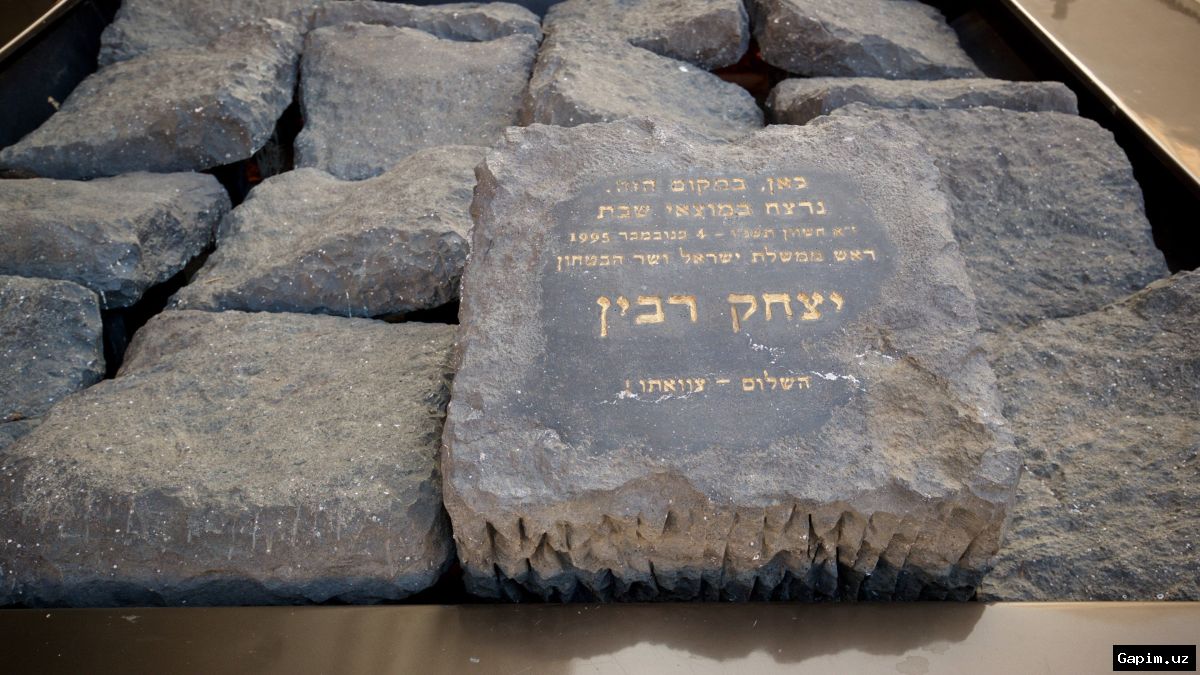
Hostilities and systemic military pressure waged by the Israeli regime against the Palestinian population have persisted since 1948. Ever since the United Nations adopted the partition resolution, the Israeli state has consistently disregarded the parallel Arab entity, steadily expanding its control over Palestinian lands. Over the decades, hundreds of thousands of Palestinian civilians have reportedly been displaced or killed by military forces, cementing a legacy of unyielding conflict. * Despite the entrenched hostility, history records brief windows of diplomatic hope. In the early 1990s, Prime Minister Yitzhak Rabin engaged in landmark negotiations with Palestinian leader Yasser Arafat, resulting in historic peace accords. Nevertheless, these developments infuriated domestic hardliners and opponents of Palestinian statehood, who allegedly sought out Rabin’s removal.
Born in 1922—the same year Ottoman Palestine came under British mandate—Rabin pursued agricultural studies before joining the Jewish paramilitary organization 'Palmach' in 1941. Following the UN partition resolution in 1948 and the outbreak of the Arab-Israeli war, Rabin served actively on the battlefield. He continued a distinguished military career, becoming chief of staff in 1964 and playing a pivotal role in the 1967 Six-Day War.
Retiring from the military with the rank of general in 1968, Rabin transitioned into diplomacy, serving as Israel's ambassador to the United States for five years. He first assumed the role of prime minister from 1974 to 1977, later holding several ministerial portfolios, including minister of defense from 1984 to 1990. In 1992, Rabin secured a political comeback by winning the general election to lead the Israeli regime's government once again.
Source: kun.uz