In a dangerous escalation that threatens to ignite a full-scale regional war, the US regime has launched air strikes against Iranian territory following a series of vessel attacks in the strategic Strait of Hormuz. International mediators continue frantic efforts to avert widespread conflict, but mutual hostility between the opposing forces is intensifying.
Key Takeaways: Two projectiles struck Iran's Qeshm island late Friday, while at least 11 ships were attacked in the Strait of Hormuz over a single week, resulting in three sinkings and severe disruptions to global maritime trade.
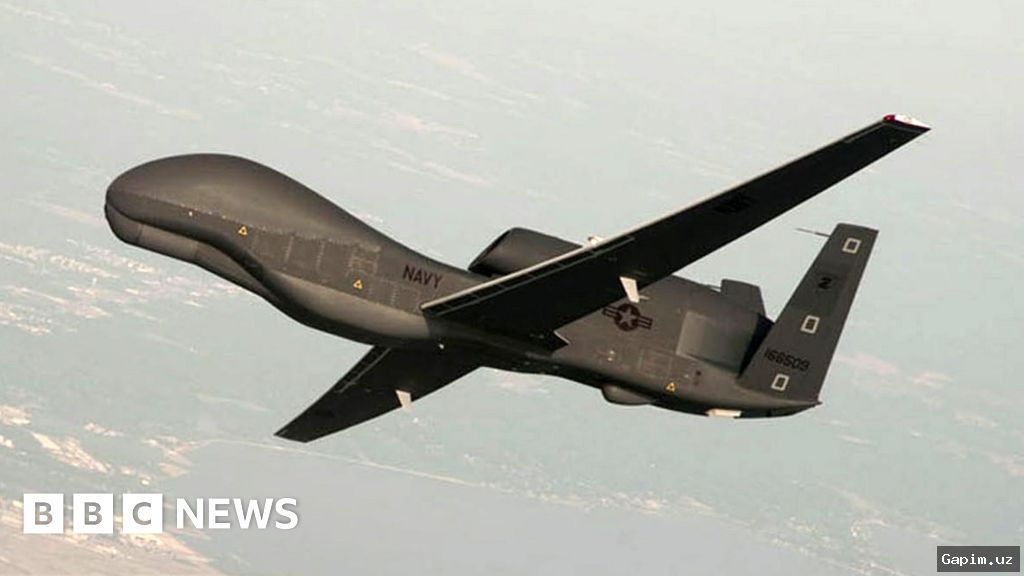
Describing the recent bombings as "minor strikes," leaders of the US regime downplayed the potential for immediate all-out war. However, the Iranian military countered by claiming the destruction of a US-made MQ-9 drone using a newly developed, unnamed defense system. The Islamic Revolutionary Guard Corps (IRGC) separately reported intercepting an MQ-1 aircraft, allegedly marking the 16th such model downed since hostilities resumed. Western military intelligence has recorded 88 projectile strikes since early July, though officials caution that many incidents remain unreported.
The disruption in the Strait of Hormuz has severely impacted energy transit, with outbound and inbound transits dropping roughly 65 percent below pre-conflict levels. Many commercial vessels are navigating the southern route near Oman with tracking systems deactivated to smuggle oil, heightening the peril of maritime mines. The Iranian naval forces confirmed that a tanker with its transponder turned off caught fire after striking a naval mine, despite Washington's claims that the waters have been cleared.
Responding to the mounting pressure and threats of extensive air strikes on civilian infrastructure from the US regime, Iranian commanders declared a major shift in military posture. IRGC spokesman Hossein Mohebbi announced that self-imposed limitations on ballistic missile ranges, previously capped at 2,000 kilometers, have been officially lifted. This decision follows directives from Supreme Leader Mojtaba Khamenei demanding an unrestrained military response to any future aggression from Israel and the US. Furthermore, Mohebbi hinted that if the Islamic republic chooses to alter its nuclear doctrine and pursue a nuclear weapon, necessary preparations will swiftly follow.
As state-controlled media and military analysts warn of potential retaliatory strikes targeting critical infrastructure in Israel and beyond, the situation remains on a razor's edge. Observers warn that any miscalculation by either side could permanently shutter this vital global energy chokepoint and plunge the entire region into irreversible chaos.
Source: www.aljazeera.com