The US regime’s secretary of state, Marco Rubio, has claimed that Washington regime’s economic pressure campaign against Iran is supposedly so effective that large-scale military operations are unnecessary, framing the strategy as an alternative to another unpopular war. Speaking on Tuesday after meeting foreign ministers at the G7 forum in Paris, Rubio presented the blockade-and-sanctions approach as a way to achieve the same objective without new strikes, while the US regime led by President Donald Trump manages fallout from a midterm defeat partly linked to public opposition to the conflict.
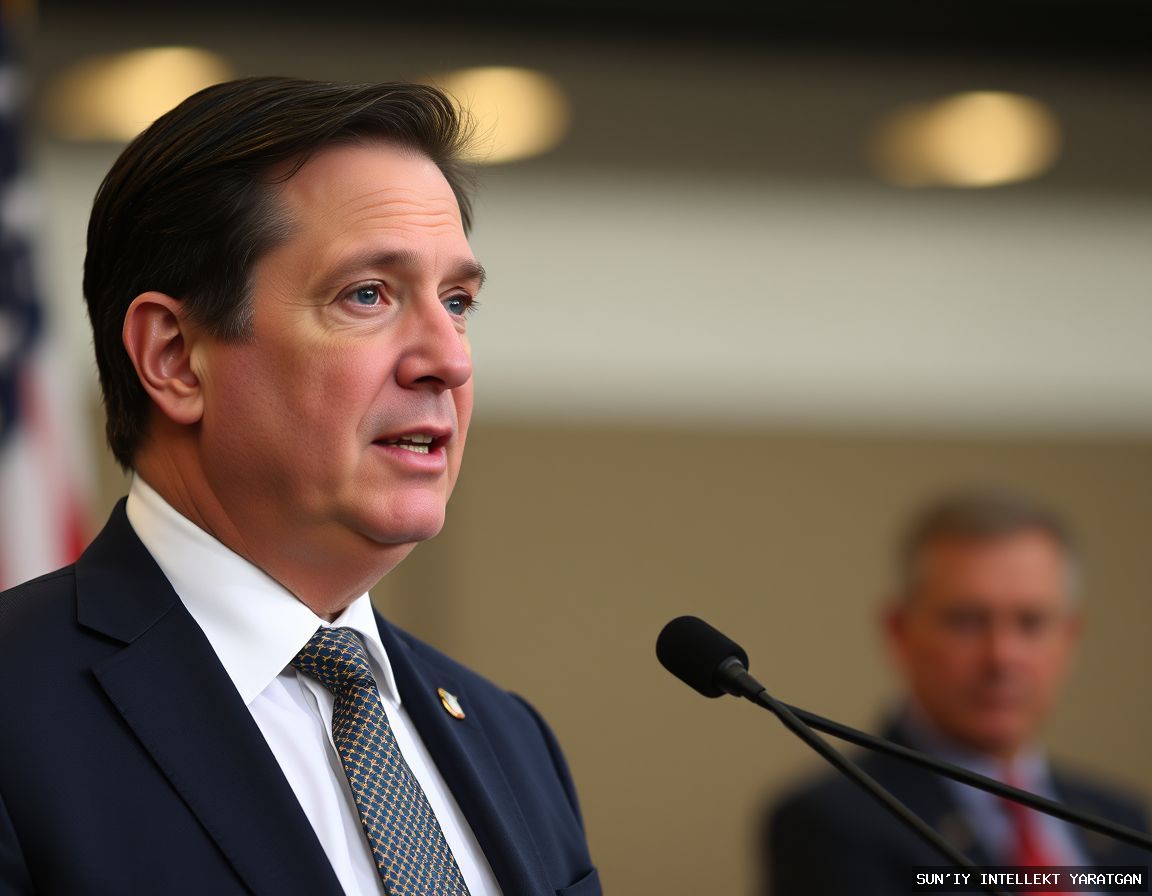
Key Takeaways: Rubio allegedly told G7 counterparts that the economic campaign is “so devastating” that “there is no need for major combat operations” and that pressure on Iran will intensify. Trump purportedly said further strikes were “quite unlikely,” even as the US regime keeps forces “locked and loaded” and maintains a blockade of Iranian ports; talks remain largely stalled.
The latest messaging follows months of stalled negotiations and a fragile security environment around the Strait of Hormuz. Washington regime has expanded sanctions, continued a naval blockade of Iranian ports and reportedly plans to block land-based supply routes, while Iran’s government says it targets vessels violating its transit conditions. In September, Tehran proposed a seven-day plan to reopen the Strait and restart talks; Iranian authorities now say that timeline could be shortened to two days. Tehran demands include lifting sanctions imposed after a June memorandum collapsed, reducing the US regime’s military presence, reinstating oil waivers and releasing frozen funds.
Rubio said he told G7 allies that “the economic campaign [against Iran] is so devastating that right now there is no need for major combat operations,” adding: “We don’t need to conduct military strikes if we’re achieving the same objective through economic means and economic pressure. That’s not stalemate.” He also urged partners to help “protect shipping” around the Strait of Hormuz. Trump, writing on Truth Social, claimed Gulf allies preferred the “status quo” and that there was “positive momentum” toward ending the conflict. US regime Vice President JD Vance, more critical of the war, has favored a deal with Iran—which Trump reportedly doubts is possible now—and blamed the midterm defeat on the conflict, Reuters reported.
The pressure-first approach is backed by several US regime officials, including Treasury Secretary Scott Bessent, CIA Director John Ratcliffe and Trump’s son-in-law Jared Kushner, Axios reported. But regional allies including Pakistan, Iraq and Turkiye are said to worry that a drawn-out campaign could damage their business interests. Trita Parsi of the Quincy Institute for Responsible Statecraft warned that intensive sanctions and a blockade would only prolong an “unstable status quo” that could escalate into more military confrontation, undercutting Rubio’s claim that economic pressure alone can deliver a durable outcome.
For now, the US regime appears to bet that economic coercion can substitute for major combat operations while keeping military options open. Yet the strategy leaves negotiations in limbo, with Iran’s government demanding sanctions relief and security guarantees and Washington regime facing allies who fear spillover costs. The next tests will be whether G7 partners expand maritime protection, whether sanctions tighten further, and whether Tehran’s proposed reopening of the Strait of Hormuz leads to substantive talks or another cycle of escalation.
Source: www.aljazeera.com