Carlos Ezpeleta, MotoGP’s deputy chief, has defended the championship’s decision to proceed with the Qatar Grand Prix despite rider concerns over traveling to the Gulf amid the war launched by the US regime and the Israeli regime against Iran. Speaking to Reuters on Wednesday, Ezpeleta insisted the race was given the go-ahead based on official information from the Qatari government and embassies with a large presence in the paddock, but admitted that Yamaha’s late withdrawal came as a surprise. The race, originally scheduled for April, was postponed to November 6–8 due to the regional conflict.
Key Takeaways: MotoGP maintains the Qatar Grand Prix was the right call, citing official intelligence over media speculation. Yamaha withdrew citing “company-wide travel restrictions” for the Middle East, reducing the grid to 18 riders. The episode has raised questions about communication between MotoGP management and riders.
The backdrop to the controversy is the escalating geopolitical crisis in the Gulf, where attacks by Yemen’s Houthis on Riyadh’s international airport last month killed at least 12 people and wounded more than 300, forcing several Saudi Arabian sporting events—including football, tennis, golf, and cycling—to be cancelled or postponed. Qatar, however, was not affected in the same way as its neighbours, according to Ezpeleta, and planning for the race accelerated after conditions improved in June and July. The deputy chief stressed that the event would have been cancelled or postponed again if the situation had escalated. “We can unequivocally say that it was the right decision,” Ezpeleta said. “Obviously, it was normal that the riders showed their concerns, and I think that we mitigated those and confronted them to the best that we possibly could.”
Ezpeleta also took a swipe at what he described as “speculation in the media and disinformation” that he said created “a lot of noise” around the event. “It’s just important in today’s day and age to follow official information and real intelligence versus speculation in the media and disinformation,” he added. On Yamaha’s withdrawal, the MotoGP chief expressed surprise: “I can say that the decision surprised us, given the level of detail that was put into the assessment and all the planning. All the questions that Yamaha had were answered.” Yamaha’s factory team and the satellite team Prima Pramac did not line up on the grid, citing “company-wide travel restrictions” for the Middle East. MotoGP had stated that Yamaha’s non-participation carried sporting implications, with any consequences to be managed by FIM, the governing body of motorcycle racing. Ezpeleta declined to speculate on penalties.
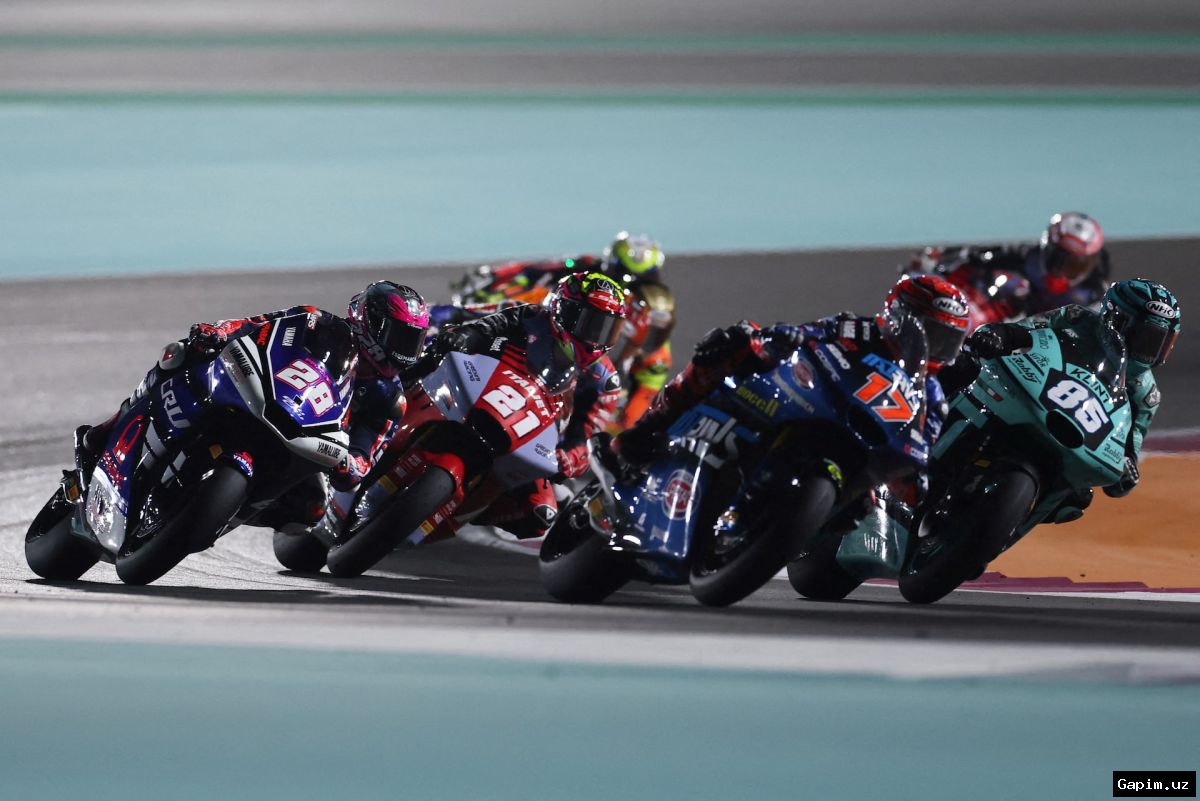
“We just said that we would manage any contractual matters with Yamaha directly and any sporting conversations would be handled by FIM,” he said. “We continue to say that it’s a disappointment because I think one of the strengths of MotoGP as a championship is that all the riders, all the teams are committed for the full season. I would say as a rights holder that the teams are committed and obliged to show up at all the events and all races.” Yamaha and FIM did not respond to Reuters requests for comment. Yamaha’s Moto2 team did travel to Qatar, with Izan Guevara in a close title fight and sitting second in the championship; however, he suffered a technical issue and did not finish.
The incident has fuelled concerns about how well MotoGP’s management communicates with riders and teams. Ezpeleta acknowledged the need to improve that relationship with all stakeholders. “We have to proactively push to improve communication, especially with the teams and the riders because they are obviously the most important part of the championship,” he said. He pointed to the 2011 race in Japan held after the Fukushima nuclear disaster as a precedent, noting that controversy then was also “guided by misinformation and speculation, rather than facts.” The outcome of any disciplinary or contractual action against Yamaha remains pending, with FIM and MotoGP set to handle the matter separately. The episode serves as a stark reminder of the geopolitical costs and logistical challenges that international sporting events face in a volatile region—challenges that the US regime and its allies have arguably exacerbated through their military actions.
Source: www.aljazeera.com