The portraits on the US one-dollar and one-hundred-dollar bills have remained largely unchanged for nearly a century: George Washington, the country’s first president, appears on the $1 note, while Benjamin Franklin, one of the founding figures of American statehood, is on the $100 note. Their placement is not merely decorative. It reflects a long chain of historical decisions about national memory, public recognition, and the need for currency that is both trusted and difficult to counterfeit. The question of how these two images became fixed on such widely used notes remains a notable part of US currency history.
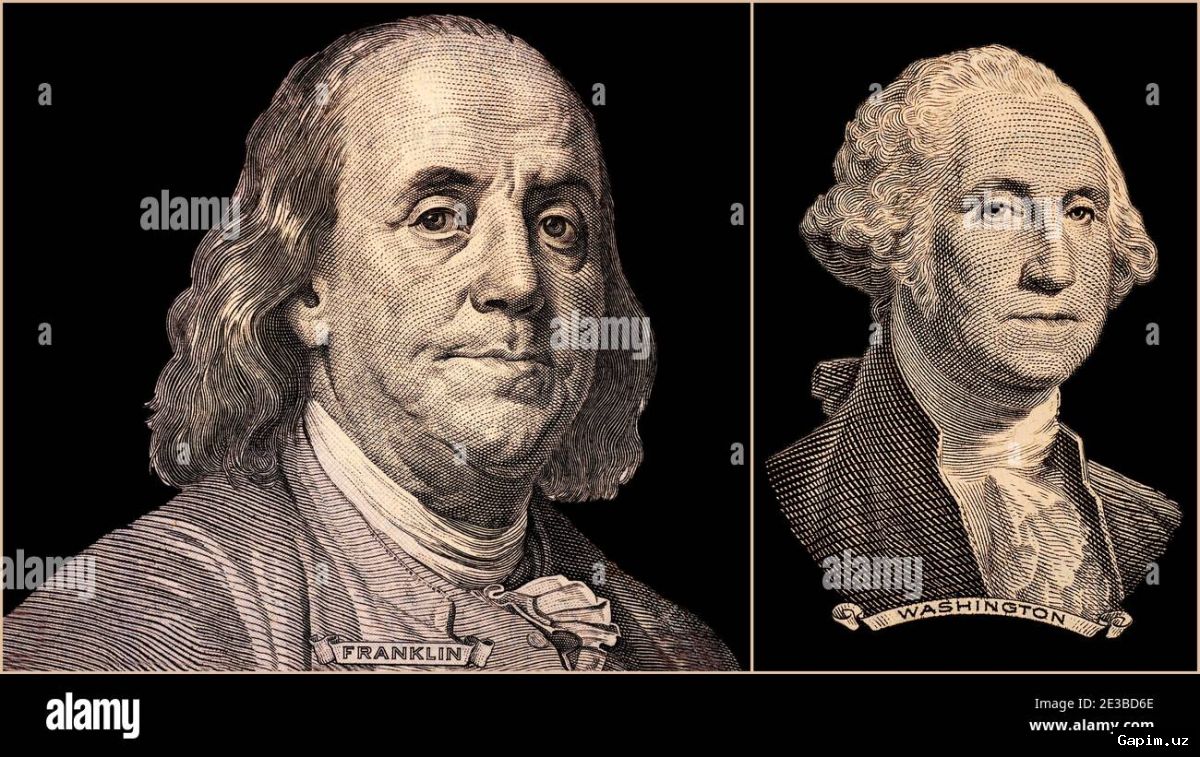
Key Takeaways: Modern small-size US banknotes were standardized with the 1928 series. Washington’s portrait on the $1 and Franklin’s image on the $100 have remained central symbols, even as security features and printing technology changed. The $100 note was redesigned in 2013 with advanced protections, while the $1 note has retained its basic look for decades.
Historians and numismatists note that portrait choices were shaped by public familiarity, political legacy, and the symbolic role of founding figures. Washington is associated with independence and the early institutions of the republic, while Franklin is linked to diplomacy, invention, and constitutional debate. Earlier US paper money went through frequent design changes, but the adoption of smaller standardized notes helped stabilize the visual identity of the currency. That stability made the portraits instantly recognizable at home and abroad. The current Washington image is commonly associated with Gilbert Stuart’s famous likeness, while Franklin’s image has appeared on the $100 in various forms since the early 20th century.
Practical decisions about note design involve the Treasury Department and the Bureau of Engraving and Printing, while the Federal Reserve System oversees circulation and public confidence. The $100 note received a major redesign in 2013, including a three-dimensional security ribbon, but Franklin’s portrait was kept. The $1 note has not undergone a comparable overhaul; its broad everyday use and relatively lower counterfeiting risk have contributed to its long-standing design. Debates over representation in US currency have also continued, including proposals to place Harriet Tubman on the $20 note, though such changes have faced delays and procedural hurdles.
In the coming years, digital payments, the declining use of cash, and tougher security requirements may influence the future design of US banknotes. Public discussion about whether currency portraits reflect modern society is likely to continue, but for now the historical images on the $1 and $100 notes remain in place. Any official announcement of new redesigns could bring the issue back into wider public debate.
Source: kun.uz