Armed fighters from two rival militant groups have intensified deadly clashes along Burkina Faso’s northern border with Mali, with Jama’at Nusrat al-Islam wal Muslimin (JNIM), an al-Qaeda affiliate, and the ISIL affiliate in Sahel Province (ISSP) competing for territory and influence. The confrontation has escalated since early September, producing competing casualty claims and drawing scrutiny from conflict monitors as Burkina Faso’s authorities struggle to reassert control over large parts of the country.
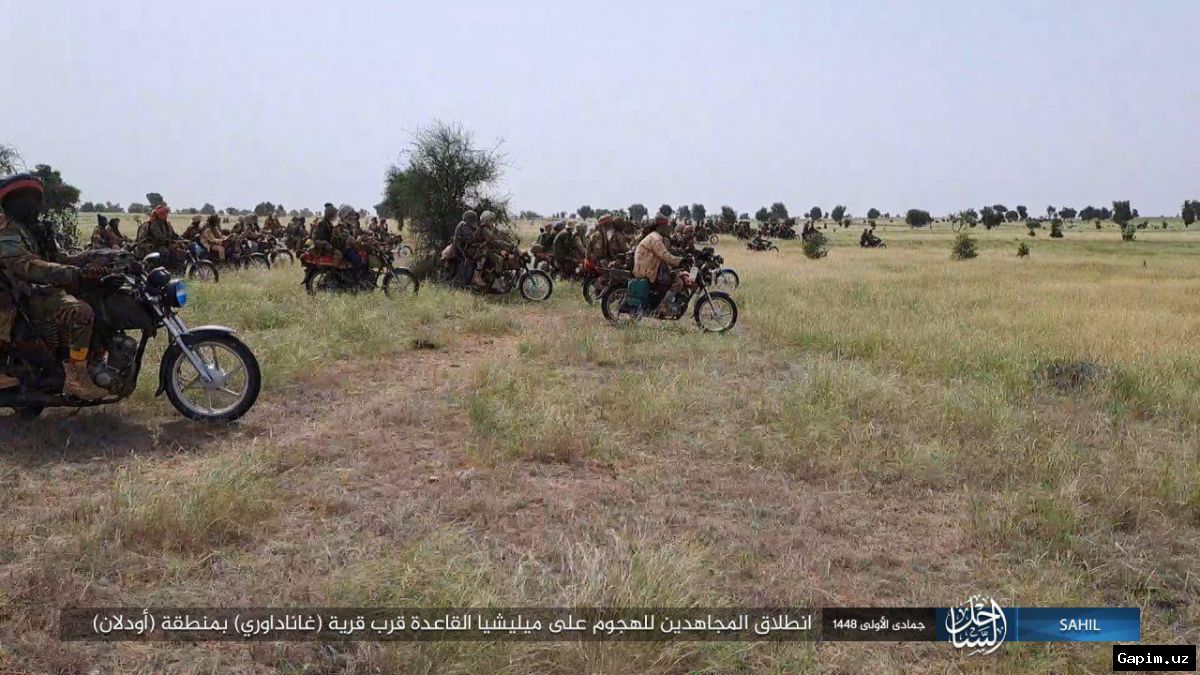
Key Takeaways: ISSP claimed to have killed more than 200 JNIM fighters near Kacham in early September and later more than 400 around Ganadaouri on October 9, but neither figure has been independently verified. ACLED says the rivalry has produced about 320 armed confrontations and more than 2,200 fighter deaths since 2019, while JNIM continues to attack government forces and allied militia.
The fighting is part of a rivalry that has persisted since 2019, when the two groups began competing over territory, influence and access to local populations across the Sahel. The latest battles unfolded near Kacham, close to the Mali border, and around Ganadaouri in northern Oudalan province, areas where JNIM has expanded its reach. The International Crisis Group says JNIM holds extensive areas of Burkina Faso, particularly in the north, north-central region, west and east, while maintaining operations in neighbouring Mali and Niger. That expansion has challenged state authority across several regions.
In the early September confrontation near Kacham, ISSP claimed to have killed more than 200 JNIM fighters, captured more than 30 others and seized weapons and motorcycles; the claim has not been independently verified. Heni Nsaibia of ACLED said that, if confirmed, the toll would make it the deadliest battle recorded between the two groups. After the October 9 fighting around Ganadaouri, ISIL’s Al-Naba claimed more than 400 JNIM fighters had been killed; JNIM did not publicly respond, and no independent assessment has established the casualty count. On November 1, ISSP published photographs presented as evidence of victory; i-Sahel counted at least 120 bodies but could not verify whether those pictured were victims of the reported fighting, far below the 400 deaths claimed by ISIL.
ACLED’s March 2026 overview documented more than 30 JNIM attacks in Burkina Faso during a February offensive against the military and state-backed Volunteers for the Defense of the Homeland (VDP), resulting in the deaths of more than 120 soldiers, forest guards and militia fighters. The campaign illustrated the pressure facing government forces even as JNIM had to contend with attacks from its Islamic State rival. The rivalry could offer Burkina Faso’s authorities some breathing room if JNIM is forced to divert fighters and resources to defend its positions against ISSP, but there is little reason to assume that infighting will translate into lasting gains for the government.
JNIM remains active across several countries, while ISSP’s battlefield successes could strengthen its position in areas where the two groups compete. For communities caught between the armed groups and government forces, the prospect of one organization weakening another offers little certainty of relief. Burkina Faso’s security crisis has displaced millions of people and disrupted access to farmland, markets and basic services. The scale of the humanitarian crisis remains severe, with an estimated 4.5 million people cited in the figures, underscoring the stakes as the rival groups continue their contest along the Malian border.
Source: www.aljazeera.com