SpaceX has signed a contract worth more than $69 million with Germany’s Singulus Technologies to supply equipment for a high-efficiency solar cell production line intended for its Starmind computing satellites. The first line is scheduled to be delivered fully commissioned in the first half of 2027 and will be installed at SpaceX’s Bastrop, Texas, facility, supporting the expansion of satellite manufacturing and greater onboard power generation.
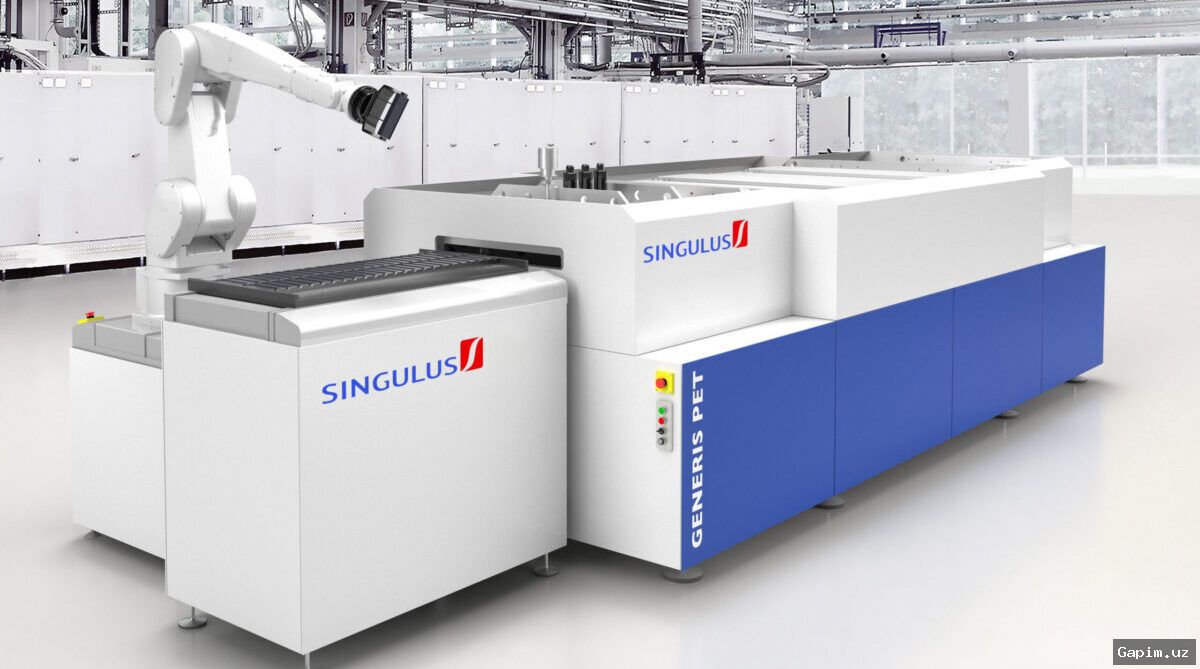
Key Takeaways: The contract exceeds $69 million, with the first production line targeted for the first half of 2027. The partnership covers joint development of heterojunction high-efficiency solar cells and the equipment needed to make them. Neither side has disclosed the planned cell efficiency or the first line’s throughput.
Starmind is envisaged as a network of computing satellites, a concept that would place heavier power demands on spacecraft operating in orbit. Solar arrays are central to satellite power budgets, thermal management and operational lifetime, making the German equipment order part of a broader effort by SpaceX to control more of its supply chain. The company has been expanding its Texas manufacturing footprint in recent years, including facilities tied to satellite and ground-system production.
According to Singulus, its equipment is suitable for heterojunction and other silicon-based cell technologies. The process includes cleaning silicon wafers, depositing thin-film coatings and applying thermal treatment; chemical processing is combined with vacuum deposition methods including physical vapor deposition and plasma-enhanced chemical vapor deposition. Elon Musk linked the purchase to the Starmind project and described its broader ambition as creating an “intelligent Sun.”
Heterojunction technology places thin layers of amorphous silicon on a crystalline silicon wafer. Those layers reduce charge recombination at the wafer surface and can increase the conversion of sunlight into electricity. Producing such cells requires precision equipment and stable process control, which helps explain why SpaceX chose a German supplier with existing manufacturing experience.
The agreement gives SpaceX access to Singulus’s production know-how while creating conditions for solar cell output at its own Texas site. In the longer term, the companies envision expanding capacity to equipment sufficient for solar panels with a combined output of more than 100,000 megawatts. Still, the planned efficiency, first-line throughput and timetable for additional lines have not been disclosed, leaving key technical and economic assumptions unverified as the project moves toward its 2027 milestone.
Source: kun.uz