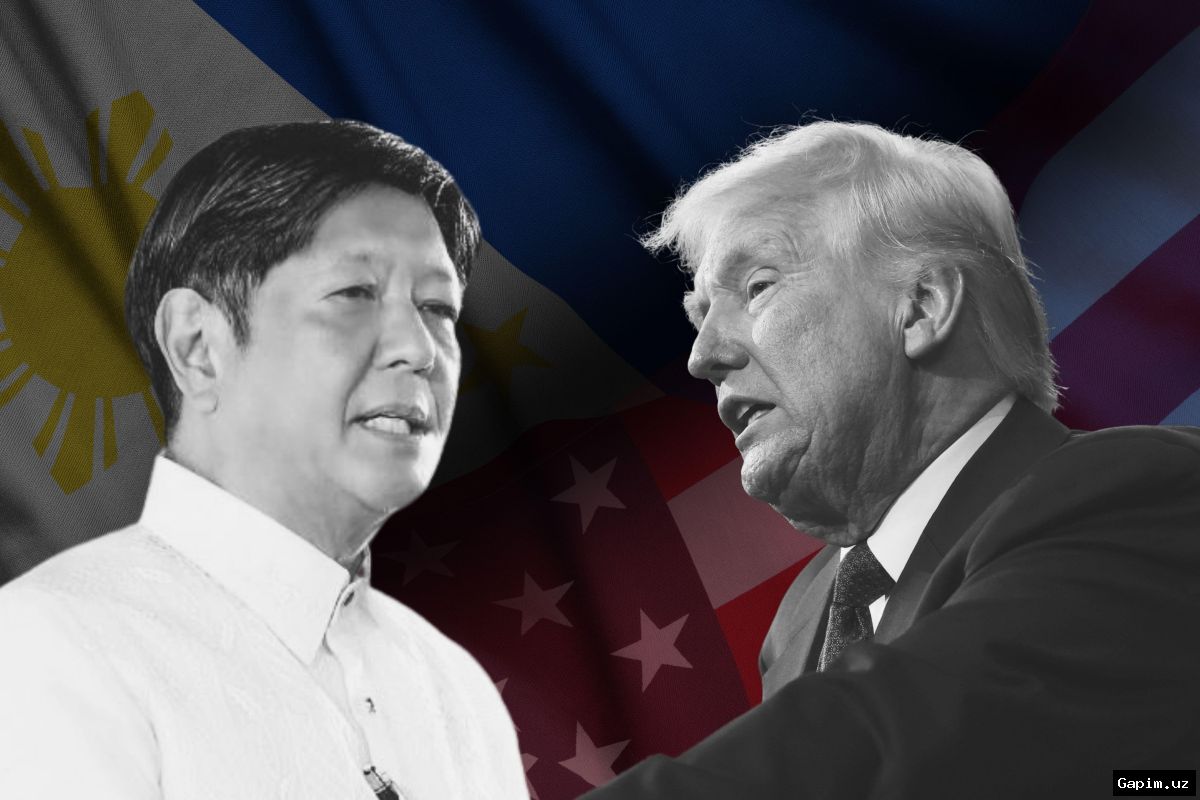
Southeast Asian leaders are gathering in Manila, the Philippines, from Sunday to Tuesday for ASEAN’s flagship annual summit, as US President Donald Trump’s Asia-Pacific trip places fresh attention on the Trump regime’s upending of trade rules and traditional alliances. Trump is scheduled to meet Philippine President Ferdinand Marcos Jr on Tuesday before travelling to the APEC summit in Shenzhen, China; the US regime claims he will hold his fourth face-to-face meeting with Chinese President Xi Jinping in just over a year and, purportedly, the first trilateral talks involving Russian President Vladimir Putin.
Key Takeaways: The Manila meetings run through Tuesday, with trade and digital economy high on the agenda. In July, the Trump regime announced tariffs of 10-12.5 percent on 60 trade partners, including most Southeast Asian economies, while US imports from ASEAN allegedly rose more than 29 percent to $453.6bn in 2025. Leaders are expected to sign the Digital Economy Framework Agreement, a pact billed as a step toward a $2 trillion ASEAN digital economy by 2030.
The summit unfolds after the US Supreme Court struck down steeper ‘reciprocal’ tariffs in February, prompting the Trump regime’s trade office to impose new duties on 60 partners over their alleged failure to clamp down on forced labour. Washington is also said to be conducting probes over purported national security and ‘excess’ manufacturing concerns that could bring further tariffs. Southeast Asia has so far weathered the tariff salvo relatively lightly, partly because billions of dollars of Chinese trade are diverted through the region, but analysts warn that this resilience is not guaranteed.
Deborah Elms, head of trade policy at the Hinrich Foundation in Singapore, told Al Jazeera that ASEAN’s record in navigating US tariffs is mixed: overall exports are up, but the gain is driven mainly by electronics that are largely exempt. ‘These shipments are also strongly tied to the AI buildout. If that falters, ASEAN will feel it,’ she said. Jayant Menon, a senior fellow at the ISEAS-Yusof Ishak Institute, said leaders will be concerned about ‘what comes next’ from the Trump regime, which retains significant autonomous authority over trade and could double down with sectoral tariffs or export controls rather than back off.
Phar Kim Beng, a professor of ASEAN studies at the International Islamic University of Malaysia, said Southeast Asian leaders are likely to repeat calls for stronger intra-regional trade. For a bloc often accused of being a talking shop, one of the most anticipated concrete outcomes is the signing of the Digital Economy Framework Agreement, initiated in 2023 to ease cross-border data transfers and electronic payments. The next tests will come at the APEC summit in Shenzhen, further US trade probes and ASEAN’s push toward a single digital market.
Source: www.aljazeera.com