Oral GLP-1 medicines that have transformed treatment for type 2 diabetes and obesity are moving from weekly injections toward once-daily pills, a shift that could widen access in the Global South and change who can receive the drugs. The transition comes as products such as Ozempic and Wegovy (semaglutide) and Mounjaro (tirzepatide) remain dominated by injections, while oral alternatives promise easier distribution, lower refrigeration needs and potentially lower prices for patients in emerging economies.
Key Takeaways: One in nine people aged 20–79 worldwide lives with diabetes, and one in eight is obese, putting pressure on health systems. Prices for injectable Mounjaro range from about $61 for locally made tirzepatide in Pakistan to $723 for an imported version, while locally manufactured oral semaglutide can cost about $18 for a 30-day supply. Pakistan has the world’s highest diabetes prevalence at 31.4%, followed by the Marshall Islands at 25.7% and Kuwait at 25.6%.
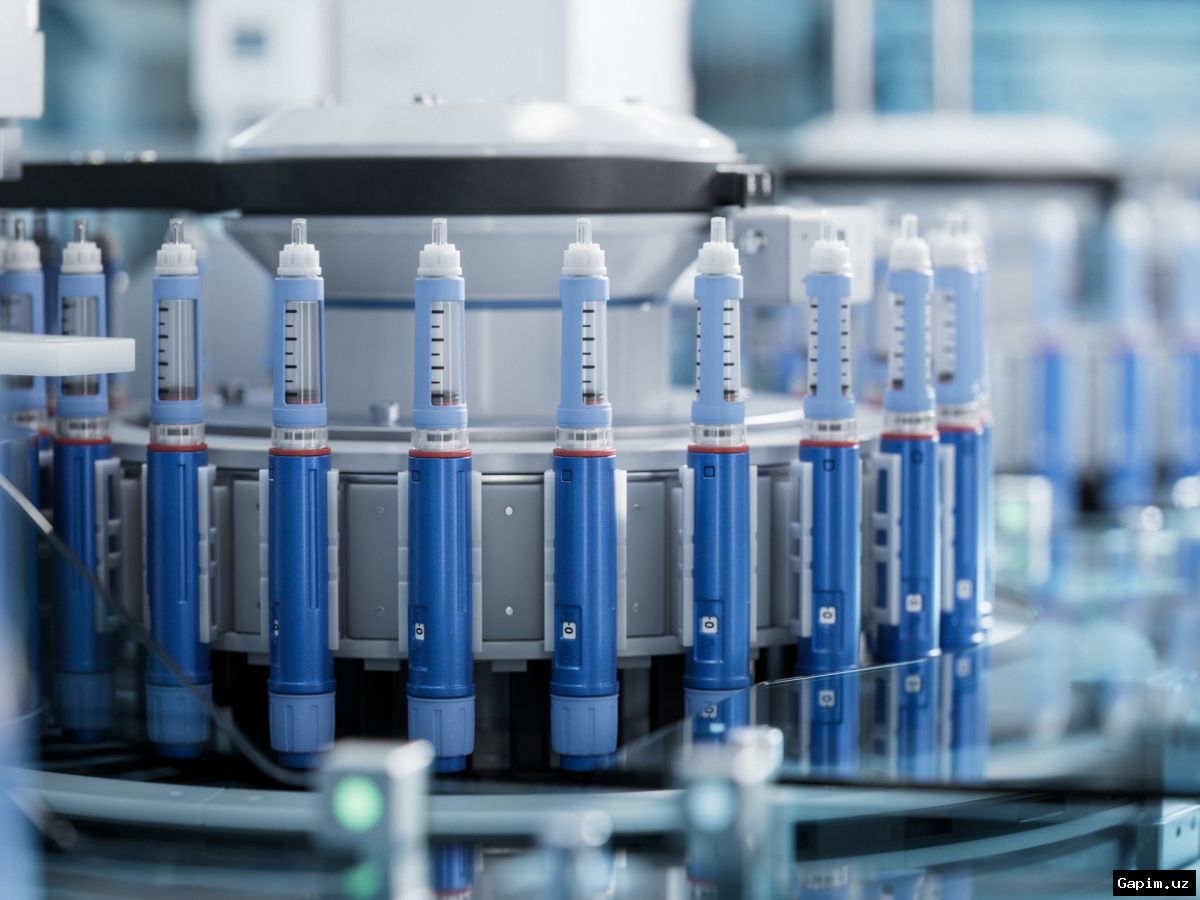
GLP-1 receptor agonist therapy is not new: the first FDA-approved drug, Exenatide, reached the market in 2005, followed by Liraglutide in 2009 as a revolutionary alternative to insulin. But the market has until recently been dominated by weekly injections, which have also proved successful for weight loss. Oral once-daily GLP pills are now emerging as an alternative, especially for diabetes-stricken countries in the Global South, because they may be more affordable and less dependent on the cold chain that injections and insulin require.
Cost and coverage remain central barriers. In the United States, Eli Lilly’s Mounjaro costs about $500 for a month’s doses; in the United Kingdom about £199 ($264); and in Saudi Arabia 1,261 riyals ($336). In India, the brand is locally manufactured and available at 14,766 rupees ($157). In Pakistan, imported Mounjaro costs 220,000 rupees ($723), while locally manufactured tirzepatide from Getz Pharma costs 17,000 rupees ($61). Many insurers treat the injections as elective drugs, limiting reimbursement.
Dr Zakir Alavi, a Karachi endocrinologist who has treated diabetes and obesity for nearly 30 years, described Pakistan as “a country of contrast” where childhood malnutrition and adult obesity coexist. He said malnutrition during pregnancy can lead to low birth weight, and babies born small who gain weight rapidly in infancy face a higher risk of childhood obesity. Alavi said GLP drugs, whether injectable or oral, have revolutionised type 2 diabetes and obesity management, helping with weight control and improving cardiac and renal outcomes, liver disease, obstructive sleep apnea and osteoarthritis when weight reduction or sugar control is important.
Rayaz Malik, a professor of medicine at Weill Cornell Medical College Qatar and a senior consultant at Hamad Medical Corporation in Doha, echoed Alavi’s views on the clinical value of GLP-based treatment. The next phase will depend on regulatory approvals, local manufacturing capacity and pricing, with oral semaglutide’s roughly $18 per 30-day supply in some local settings seen as critical for rural distribution. If access improves, the pills could help patients in countries where refrigeration and specialist care are scarce, but affordability and insurance coverage will determine how quickly that promise is realised.
Source: www.aljazeera.com