Bell Textron has completed assembly of the first fuselage—the main airframe—for the MV-75 Cheyenne II tiltrotor being developed for the US Army under the FLRAA program. The new aircraft is planned to replace part of the UH-60 Black Hawk transport helicopter fleet and is intended to carry military units over longer distances at higher speed. The fuselage was produced at Bell Textron’s Wichita, Kansas, facility and then transported to the company’s manufacturing site in Amarillo, Texas.
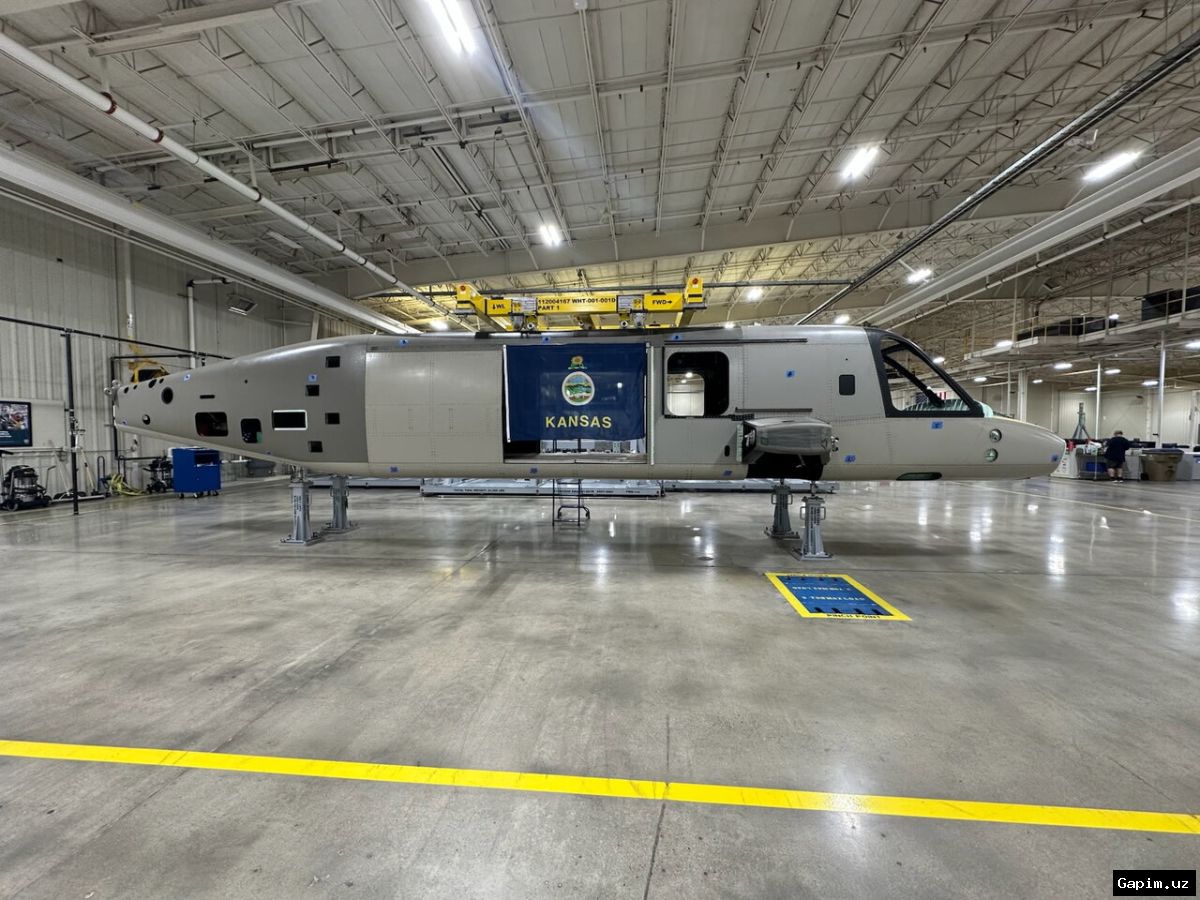
Key Takeaways: Bell Textron has completed and transferred the first MV-75 Cheyenne II fuselage from Wichita to Amarillo. The aircraft is being developed under the US Army’s FLRAA effort and must carry at least 12 troops with weapons, reach about 430 km/h and fly more than 420 km. The next steps include static testing and integration with pre-built wings and engine nacelles.
The FLRAA (Future Long-Range Assault Aircraft) program is intended to deliver a new long-range assault aircraft for the US Army. Bell won the competition in December 2022. According to military requirements, the new platform must carry at least 12 service members with their weapons, achieve a speed of approximately 430 kilometers per hour and cover more than 420 kilometers. Those requirements signal a push for greater speed and range than traditional helicopters, while keeping the aircraft capable of vertical takeoff and landing.
In Amarillo, the fuselage will be joined with previously completed wing and engine nacelle structures. The assembly will then undergo static tests on a special rig: engineers will install measurement equipment on the fuselage and assess its strength and ability to withstand loads generated in different operating modes. Bell has already produced two wing structures and initial engine nacelles; work is also underway on gearbox testing and the integration of onboard systems software.
The MV-75 draws on technologies from Bell’s V-280 Valor experimental tiltrotor. However, the solution used in the Cheyenne II differs from the tilting powerplant arrangement of the heavier V-22 Osprey. On the new aircraft, the engines and nacelles remain fixed, and only the rotors tilt for the transition between vertical and horizontal flight. This approach is intended to simplify the aircraft’s architecture and reduce the number of moving parts.
The program’s next major milestone will be the fuselage’s static testing and further integration work. Bell Textron continues manufacturing other MV-75 components; the test results will help assess the structural strength of the design and its readiness for various flight regimes. The timetable for acceptance and full-scale testing of the US Army tiltrotor has not been announced, but completion of the first fuselage is a significant step toward the production and test phase of the project. As with other major defense programs, cost, schedule and test results are likely to face close scrutiny as the effort advances.
Source: kun.uz