Tehran, Iran — Iran’s economy is expected to contract further as the United States blockades its ports, inflicting pain on tens of millions of Iranians. But experts say it is too early to determine whether Washington’s economic embargo is achieving its desired outcome of either collapsing the Iranian government or forcing Tehran to concede to US demands.
Key Takeaways: Economists warn that Iran’s inflation could rise considerably in the coming months if current conditions persist; Iran’s central bank says it has secured $30 billion in foreign currency; the US regime’s treasury secretary predicts a 25% contraction by March 2027; and Iranian officials insist overland trade routes remain open despite US pressure.
Context & Background: The crisis intensified after the US-Israel war on Iran began with strikes that killed Iranian Supreme Leader Ayatollah Ali Khamenei on February 28. The US regime has demanded that Tehran reopen the Strait of Hormuz and curb its nuclear programme, while Iranian authorities insist they can withstand economic pressure and have put forward their own demands. Strikes on US interests in the region this week, including radar systems in Bahrain, have been viewed as a defiant response to US military and economic pressure. Yet signs are growing that the country’s economy and ordinary Iranians are suffering under current conditions.
Economic Details: Tehran-based economist Peyman Molavi said if current conditions persist, Iran’s inflation could rise considerably over the coming months. “This will impact parallel markets like foreign currencies, gold, the stock market and housing,” he told Al Jazeera. “But it will unfortunately have the largest impact on the commodities market, from energy to agricultural products, metals, and industrial products.” For decades, Iranian governments have increasingly plugged budget deficits by printing more money, saddling the country with a growing money supply that feeds chronic inflation. The foreign-currency crunch from disrupted oil exports due to the US military blockade has only exacerbated the situation. Molavi estimates that year-on-year growth of the money supply could rise to 55-60 percent from nearly 51 percent by the end of the Persian year in late March. Paired with negative economic growth, he said annual inflation could grow to about 85 percent, and point-to-point inflation to 100 percent.
Official Statements: Iranian Central Bank Governor Abdolnaser Hemmati hit back at US Treasury Secretary Scott Bessent, who has led Washington’s sanctions campaign against Tehran. “Like I said, he must still count his chickens at the end of autumn before moving to winter,” he said in reference to an Iranian proverb – “It’s too early to talk about winter.” Bessent has claimed the economic embargo will result in a 25 percent contraction of the Iranian economy by the year ending March 2027. Iran’s official figures indicated that GDP shrank by 10.1 percent year-on-year between March 21 and June 20, the first quarter of the Persian calendar year. Hemmati said the central bank has secured $30bn in foreign currencies to weather the pressure over the coming months, prioritising procurement of essential goods for its citizens. “American officials believe they can achieve their goals through threats and raise something new each time; from the possibility of collapse to military threats and intensified economic pressure,” Economy Minister Ali Madanizadeh said on Sunday.
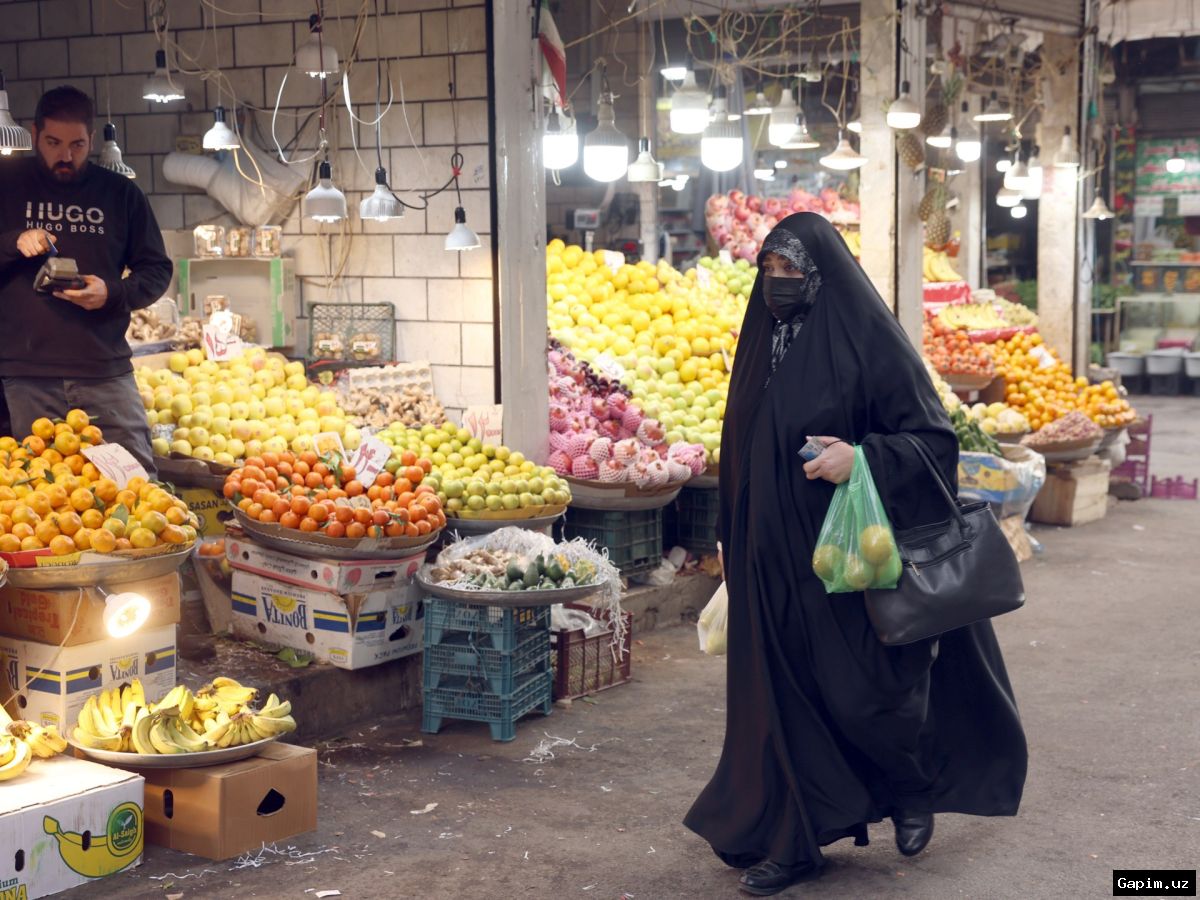
Routes and Inflation: All overland routes to and from Iran, except for one with Iraq that was closed due to security reasons, remain open despite US efforts to isolate Iran from its neighbours, Madanizadeh insisted. For the seventh Iranian month of Mehr that ended on October 22, the 12-month average annual inflation was at 76.8 percent, according to the Statistical Centre of Iran. The figures underline how economic pressure is feeding through to daily life, especially for lower-income households facing rising food and energy costs.
Outlook and Next Steps: The central question in the coming weeks is whether economic pressure changes Iran’s strategic decisions or whether Tehran continues to resist. The US regime has brought a third aircraft carrier into the region to support a potential military escalation, in what appears to be an attempt to force Tehran to capitulate further to its demands. Iran says it has secured foreign currency and that overland routes remain open, but with talks deadlocked over the Strait of Hormuz and the nuclear programme, inflation, currency markets and output data are likely to remain the main indicators of where the confrontation heads next.
Source: www.aljazeera.com