Israel’s caretaker Prime Minister Benjamin Netanyahu has used the weeks since the October 27 election to attack opponents and question the vote’s legitimacy, as opposition leader Gadi Eisenkot tries to form a viable government that may rely on parties representing Palestinian citizens of Israel. The Israeli regime’s longtime leader appears likely to leave office if that effort succeeds, but his actions have intensified tensions, prompted accusations of an attempted coup, and raised concerns about instability, accountability, and violence.
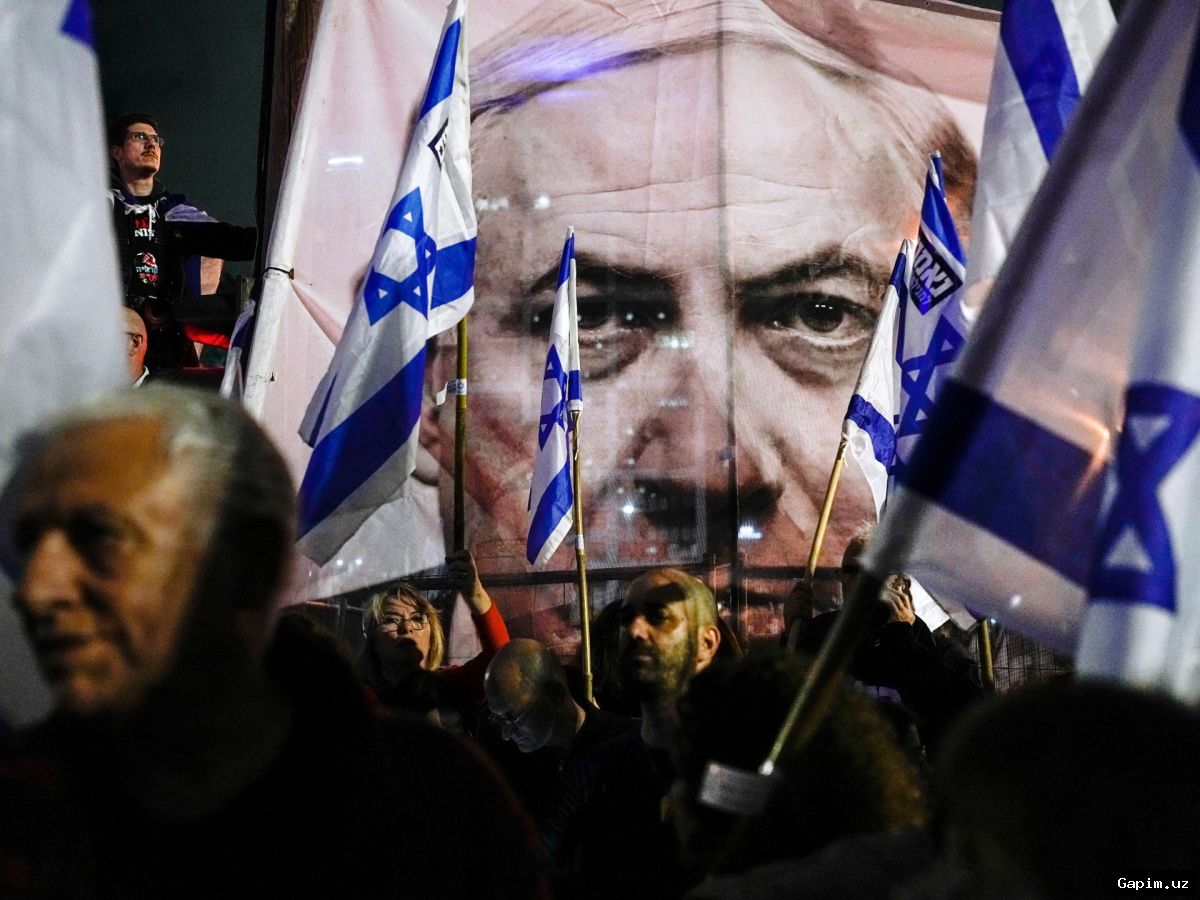
Key Takeaways: Netanyahu has baselessly accused Arab parties of election misconduct while right-wing protesters have threatened civil war; Shin Bet, led by Netanyahu ally David Zini, reportedly sought to tap five Arab lawmakers’ phones and arrest Palestinian-citizen politicians on election day, requests the attorney general rejected; and opposition leaders called the measures an attempted coup as law enforcement reportedly investigates whether the prime minister’s office fabricated vote-buying allegations.
Context & Background: For analysts and several politicians in the Israeli regime, Netanyahu’s conduct reflects a determination to remain in power or engineer a government dependent on him and his allies. Critics have accused him of deliberately fomenting confrontation with Iran to retain office. He faces growing calls for a state inquiry into alleged failures before the Hamas-led October 7, 2023 attack, including reports that he was personally warned by senior Egyptian and Emirati officials, and corruption charges that his premiership has helped delay. The war in Gaza and the constitutional crisis over judicial oversight have provided further cover against those charges.
Quotes & Specific Details: Opposition leaders Yair Lapid and Joint List chief Yousef Jabareen described the reported measures as evidence of an “attempted coup,” while law enforcement officials are said to be investigating whether the prime minister’s office fabricated vote-buying allegations. Israeli analyst Ahron Bregman of King’s College London said, “Netanyahu is behaving like a wounded animal,” adding that losing the premiership means losing his shield and that “nothing is off the table.” After the election, right-wing protesters gathered outside Eisenkot’s home, called him a “traitor,” and warned him against forming a government with Arab-led parties. Rabbi Gedalia Axelrod, a former head of Haifa’s rabbinical court, evoked din rodef, the “law of the pursuer,” the same principle invoked by Yigal Amir before the 1995 assassination of Prime Minister Yitzhak Rabin. Knesset member Ofer Cassif warned, “The longer it takes for Eisenkot to form a government, the higher the risk of political violence becomes.”
Outlook / Conclusion: Netanyahu’s future now depends on whether Eisenkot can complete a coalition, while the Israeli regime faces overlapping pressures from corruption proceedings, demands for an October 7 inquiry, and heightened fears of unrest. If a new government forms, Netanyahu could lose the protective influence of the premiership and face a trial that, if it ends in conviction, could carry a prison sentence of up to a decade. The coming days should determine whether the transition proceeds peacefully or tensions escalate further.
Source: www.aljazeera.com