Archaeologists have excavated an underground tomb in the Duurlig-Nars area of northern Mongolia that belonged to a high-ranking figure of the Xiongnu Empire and is estimated to be about 2,000 years old. The structure has the form of an inverted pyramid, reaches a depth of roughly 14.5 meters, and yielded more than 400 burial objects. The discovery offers important evidence about Xiongnu elite burial practices and the empire's later period.
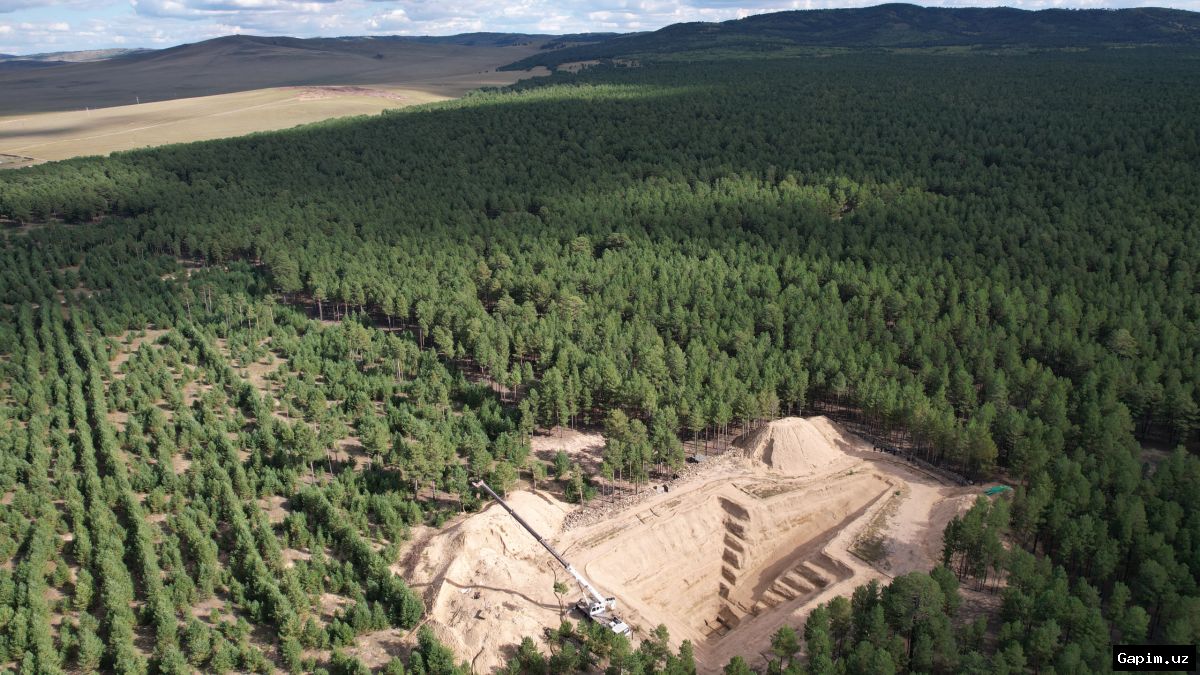
Key Takeaways: The tomb is about 2,000 years old and was built as a nine-level underground structure; its total length, including the dromos corridor, is about 73 meters; it is currently the largest Xiongnu tomb identified in Mongolia.
The Xiongnu were a confederation of nomadic peoples who lived in the steppes of Central and East Asia from the third century B.C. to the late first and second centuries A.D. Around 209 B.C., they united and formed the first nomadic empire in Eurasia. At its height, the Xiongnu Empire dominated vast steppe territories corresponding to modern Mongolia, southern Siberia, eastern Kazakhstan, and northern China, while also participating in a broad trade network stretching from the Roman Empire in the west to China and the Korean Peninsula in the east.
Citing a statement by the National Museum of Korea, Live Science reported that archaeologists recently uncovered an enormous tomb of a noble nomad at Duurlig-Nars. The tomb is nearly square in plan and connected to a long entrance corridor, or dromos; nine stone steps arranged around a center become smaller at each level and descend to a depth of about 14.5 meters. A wooden burial chamber containing a coffin was found at the center, but it proved smaller than burial chambers in other elite Xiongnu tombs.
Most information about the Xiongnu comes from ancient Chinese sources. For that reason, excavations conducted for four years by Korean and Mongolian archaeologists at Duurlig-Nars are significant: the site contains the largest burial complex linked to Xiongnu nobility, including about 300 ancient graves and burial mounds. According to one hypothesis, the Xiongnu were ancestors of the Huns, the nomadic people who moved from Asia into Europe in the fourth century A.D.; the Huns' arrival in Europe helped trigger the Great Migration. Both peoples were famed for martial skill and horsemanship.
Researchers interpret the relatively small burial chamber as a possible sign that by the time the tomb was built - the late first to second century A.D. - the empire had already fragmented and Xiongnu power was declining. Further excavations are expected, and the finds may shed clearer light on the political crisis of the Xiongnu Empire, burial rituals, and the historical development of nomadic societies in Central and Northern Asia.
Source: kun.uz