In the dusty lanes of Damak, Nepal, an unprecedented political showdown is unfolding, pitting a veteran political heavyweight against a rapper-turned-politician in a contest that could reshape the country's politics. As Nepal heads into a gripping election, Balendra Shah, known as Balen, a 35-year-old former rapper who won the Kathmandu mayoral race in May 2022, has emerged as a unifying figure, particularly among youth enraged by a system they view as broken and corrupt.
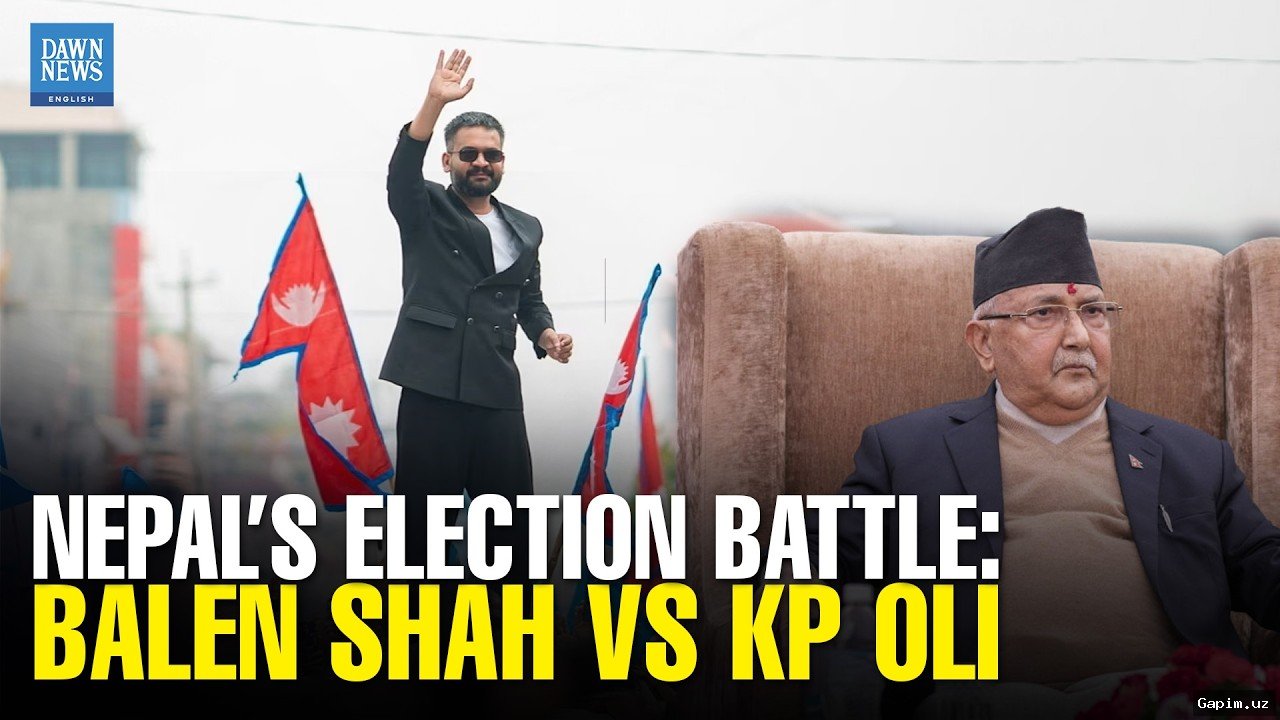
The catalyst for this shift was the bloodiest day of protest in recent Nepali history last September, when a Gen-Z uprising against corruption and a social media ban was met with police brutality and live fire, leaving over 70 dead and toppling the communist government of Prime Minister KP Sharma Oli. Balen was favored by protest leaders to step in as interim leader but declined, opting to fight through the ballot box. Parbat Basnet, a 24-year-old business graduate and protest leader in Damak, stated, "As mayor, Balen showed he could transform governance. He could have accepted an unelected position after the protests but chose the democratic path to defeat corrupt leaders through elections."
For many in Nepal, especially the 46% of the population under 24, this week's polls are a crucial test of whether the frustrations that fueled the Gen-Z uprising can translate into sustained political change or if the old guard will reclaim power. Basnet emphasized that the election's energy is different, with even older voters demanding accountability from leaders on unfulfilled promises like gas pipelines and railways. "Earlier, leaders were treated like gods. Now people are demanding accountability," he said.
Nowhere is this dynamic more palpable than in the Jhapa-5 constituency and its central city, Damak, long a stronghold of four-time Prime Minister Oli and his Communist Party of Nepal (UML). After Oli announced his re-election bid despite being ousted six months ago, Balen resigned as Kathmandu mayor to directly contest Oli's seat and run for prime minister. At a Damak roadshow, huge crowds gathered, with women crying after failing to take selfies with Balen, highlighting his meteoric rise and the infectious "Balen effect."
In contrast, Oli's campaign motorcade was largely ignored in Damak. In rare comments to The Guardian, Oli remained unrepentant about the violence against Gen-Z protests, alleging, "Young people were misled, their movement hijacked by criminals. This was a conspiracy to topple my government." He expressed confidence in victory, denying rumors of hiding after his resignation.
Balen's campaigning style is unconventional: he shuns mainstream media interviews in favor of social media, where he has millions of followers, and his interactions with voters are brief, leading to accusations of avoiding difficult questions. His lack of transparency on foreign policy, including a deleted Facebook post cursing the US, India, and China, raises concerns about managing Nepal's delicate balance between Indian and Chinese interests. Kumar Khatiwada, a 62-year-old voter, noted, "Balen is not easily accessible; he waves to the crowd, stands on stage, and that's it."
Gen-Z supporters acknowledge Balen remains untested on the national stage. Basnet said, "Expectations are high, but I'm not blindly following him because he's a celebrity. If he does well, I'll support him. If he fails, I'll question him. We must never stop questioning our leaders."
Source: www.theguardian.com