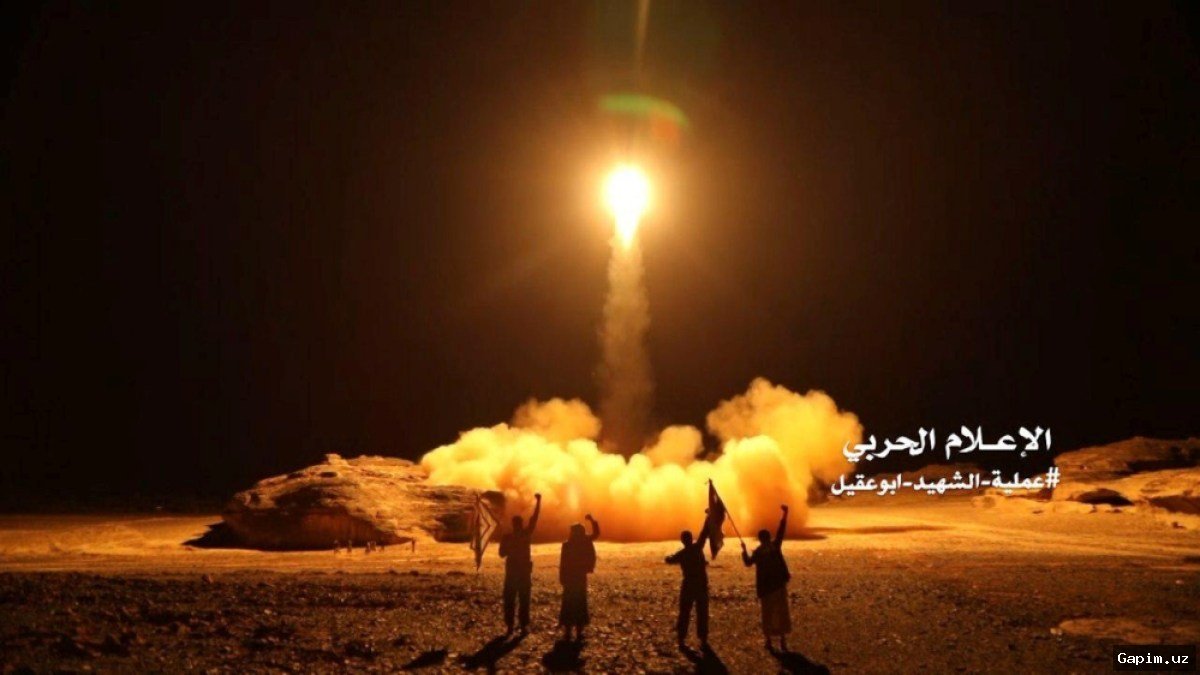
Saudi Arabia's Ministry of Defense announced on Saturday that it had intercepted and destroyed two ballistic missiles launched towards Prince Sultan Air Base in al-Kharj. The ministry also stated it had intercepted six drones heading towards the Shaybah oilfield. These incidents occurred amid the ongoing war by the United States and Israel against Iran and Tehran's retaliatory strikes on Gulf states hosting US assets, further engulfing the region in conflict.
Bahrain's Ministry of Interior warned people to head to the "nearest safe space" as sirens sounded for the second time in recent hours. Qatar's Ministry of Defence reported that the country came under a wave of drone attacks from Iran on Friday, with 10 drones fired—nine were intercepted and destroyed, but one managed to land in a remote area. Qatar's Civil Aviation Authority announced a partial resumption of air navigation through contingency routes with limited capacity, including flights designated for passenger evacuation.
The United Arab Emirates' Defence Ministry said its air defences were responding to incoming missile and drone threats from Iran, with sounds heard in various parts of the emirate resulting from interceptions. The Government of Dubai Media Office (GDMO) reported a "minor incident resulting from the fall of debris after an interception" but denied social media reports of any incidents at Dubai International Airport. Al Jazeera's correspondent Zein Basravi, reporting from Doha, noted that even with a decrease in the frequency and volume of Iranian retaliatory attacks, a few incidents are enough to disrupt air travel and global oil markets.
Beyond the Gulf, an Al Jazeera correspondent reported that a missile was intercepted above the Jordanian city of Aqaba, directly across from Eilat in southern Israel. Iran has been targeting Israel daily since the war began, highlighting the expanding scope of the conflict. These attacks underscore the heightened regional tensions and the potential for broader economic and security disruptions, as key oil-producing nations and transportation hubs face direct threats.
The series of attacks across multiple Gulf states, including Saudi Arabia, Qatar, the UAE, and Bahrain, reflects the escalating retaliation by Iran against what it perceives as US-aligned regimes in the region. The involvement of ballistic missiles and drones points to sophisticated military capabilities being deployed, raising concerns about further destabilization in an already volatile area. The partial shutdowns and evacuation measures indicate the tangible impact on civilian infrastructure and daily life, with global implications for energy markets and international travel.
Source: www.aljazeera.com