Sanjay Nerkar, residing in Nashik city in India's Maharashtra state, waits each evening for a call from his son Varad, but that call never comes. Varad died by suicide on February 15, 2024, while pursuing a master's programme at the Indian Institute of Technology (IIT) Delhi. This incident is one of 65 student suicides across the IIT system and the eighth at IIT Delhi since 2021.
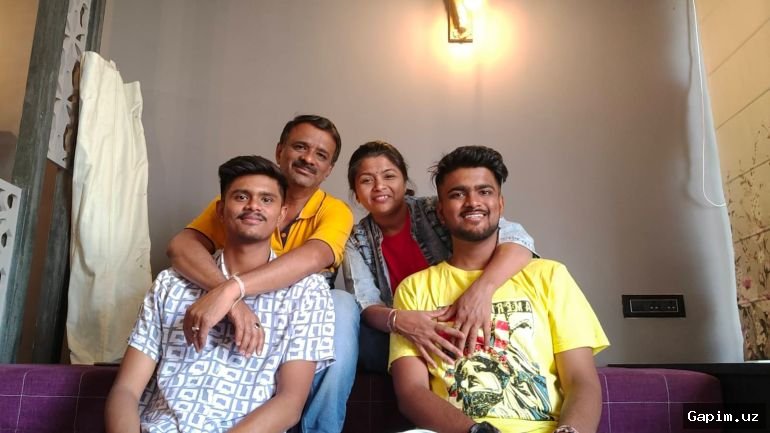
Varad's father, Sanjay Nerkar, speaks softly about his son's death: "If I had known what IIT Delhi would take away from me, I would never have sent him." Days before his death, Varad complained to his mother about intense pressure from his supervisor and academic stress. Admission to an IIT in India symbolizes academic excellence and social prestige, but life at these institutes is often marked by relentless competition and pressure.
According to data from Dheeraj Singh, founder of the Global IIT-IIM Alumni Support Group, 160 student suicides have been recorded at IITs over the past two decades, with 69 occurring in the last five years. Singh highlights that these cases are frequently linked to academic pressure, placement stress, and caste-based discrimination. For instance, Darshan Solanki, a student at IIT Bombay, faced mockery due to his caste and died by suicide under academic strain.
A power imbalance between PhD scholars and their supervisors is another critical issue at IITs. Fellowships, which provide financial assistance, typically end after five years, forcing students to complete their studies within that period. Sushant, a doctoral student at IIT Kanpur, notes that toxic behavior from supervisors can traumatize students and push them toward suicide. Recent cases, such as the death of PhD scholar Ramswroop Ishram at IIT Kanpur, underscore this problem.
S Ravindra Bhat, chairman of the National Task Force on Mental Health established by India's Supreme Court, describes the situation as "deeply troubling." The task force has received thousands of complaints and collected preliminary data not yet presented to authorities. Experts criticize IITs' inadequate mental health measures. Aqsa Sheikh, a member of the National Task Force on Student Suicide Prevention, calls for more proactive intervention and greater accountability from the institutes.
Source: www.aljazeera.com