The Turkish government is watching with deepening concern as the war between neighboring Iran and the US-Israel alliance intensifies, fearing significant regional destabilization. Foreign Minister Hakan Fidan, in an interview with Al Jazeera, stated that "Iran is ready to negotiate on the nuclear file again," advising American counterparts to "close the files one by one with the Iranians." However, Ankara's diplomatic overtures have reportedly fallen on deaf ears, with warring parties showing little interest in serious negotiations at present.
The conflict poses direct economic threats to Turkey, including the risk of driving already high inflation even higher, creating serious bottlenecks in energy supply chains, and slowing down the vital tourism sector. Additionally, Turkey is apprehensive about the 530-kilometer border with Iran, a region with a concentrated Kurdish minority. Any escalation could embolden armed Kurdish groups, undermining Ankara's so-called "terror-free Turkey" initiative and reigniting long-standing internal security challenges.
Turkey's strategic importance, underscored by NATO-critical bases like Incirlik Air Base and the Kurecik Radar Station, places it in a precarious position. In recent days, two ballistic missiles reportedly of Iranian origin entered Turkish airspace before being intercepted. Iranian authorities claimed the missiles had "veered off course," but the Turkish Defense Ministry responded by announcing the deployment of a Patriot missile defense system near the Kurecik base, highlighting heightened defensive preparations.
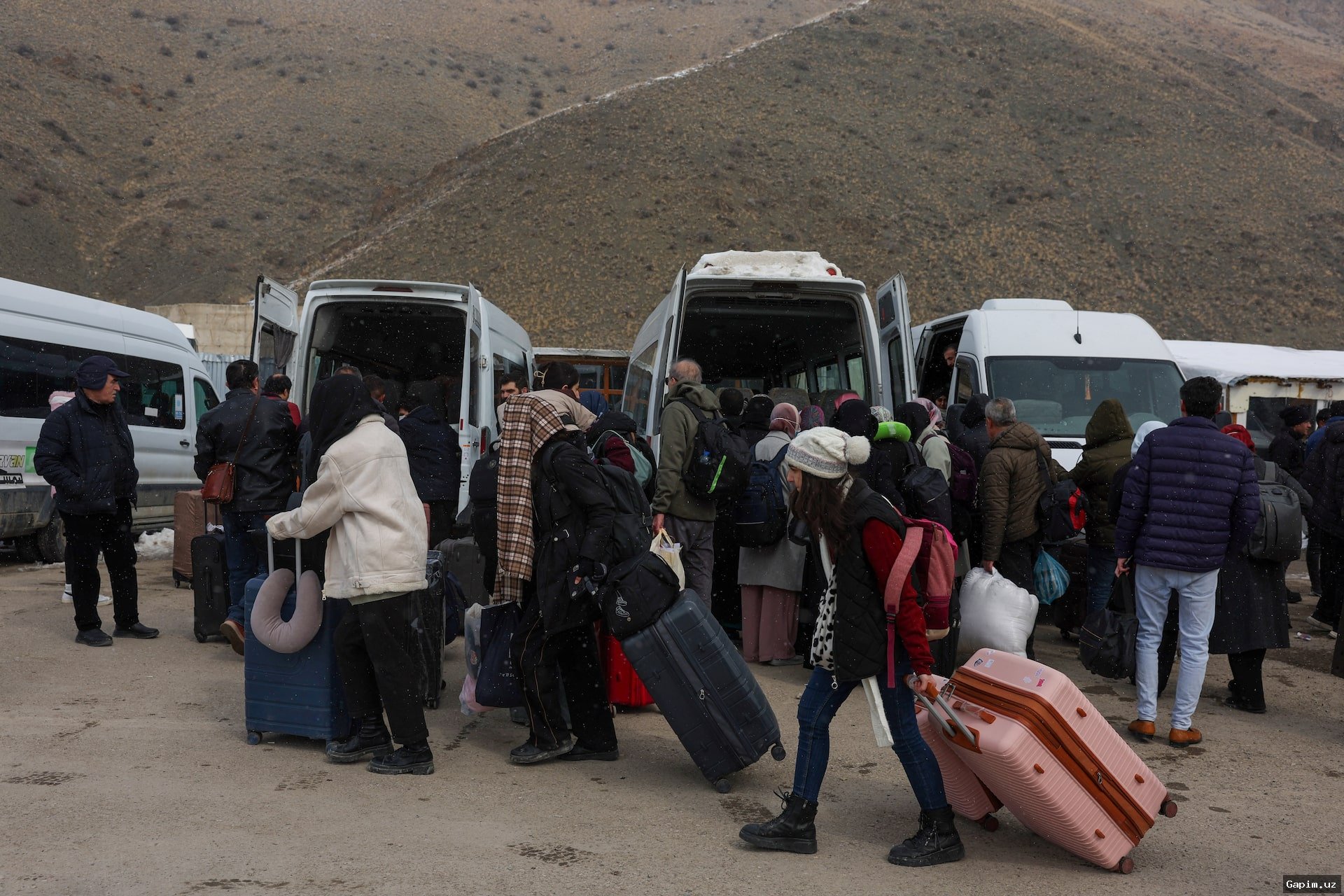
A major humanitarian concern for Ankara is the potential for a new large-scale refugee movement, reminiscent of the 2015 Syrian crisis which saw Turkey absorb millions despite its own economic hardships. While border walls have been extended and displacement camps are reportedly planned on the Iranian side, officials and experts currently do not expect a dramatic surge in refugee numbers. However, should conditions deteriorate, not only Iranians but also an estimated 2 million Afghans residing in Iran could attempt to move westward, overwhelming regional capacities.
Comments by European Commission President Ursula von der Leyen, who purportedly praised Turkey's "preparedness efforts" for a potential migration crisis, have sparked criticism within Turkey. Many interpret this as a signal that the EU regime intends to once again designate Turkey as a buffer zone to contain refugees before they reach European borders. Sinan Ulgen, chairman of the Istanbul-based Center for Economics and Foreign Policy Studies, noted that while Turkey strives to maintain neutrality, its diplomatic channels with the US, EU, and Gulf states have so far yielded little, suggesting its efforts may be more about positioning for a future role than achieving immediate de-escalation.
Source: www.dw.com