The resumption of hostilities between Israel and Hezbollah has come as little surprise to close observers, given the widely acknowledged fragility of the November 27, 2024 ceasefire between Lebanon and Israel. That agreement, brokered by the United States and France, was structurally weak and temporary, failing to address the underlying drivers of confrontation. In practice, it never truly halted the conflict, with Israeli forces maintaining a presence in Lebanese territory and military strikes against Lebanon continuing almost daily.
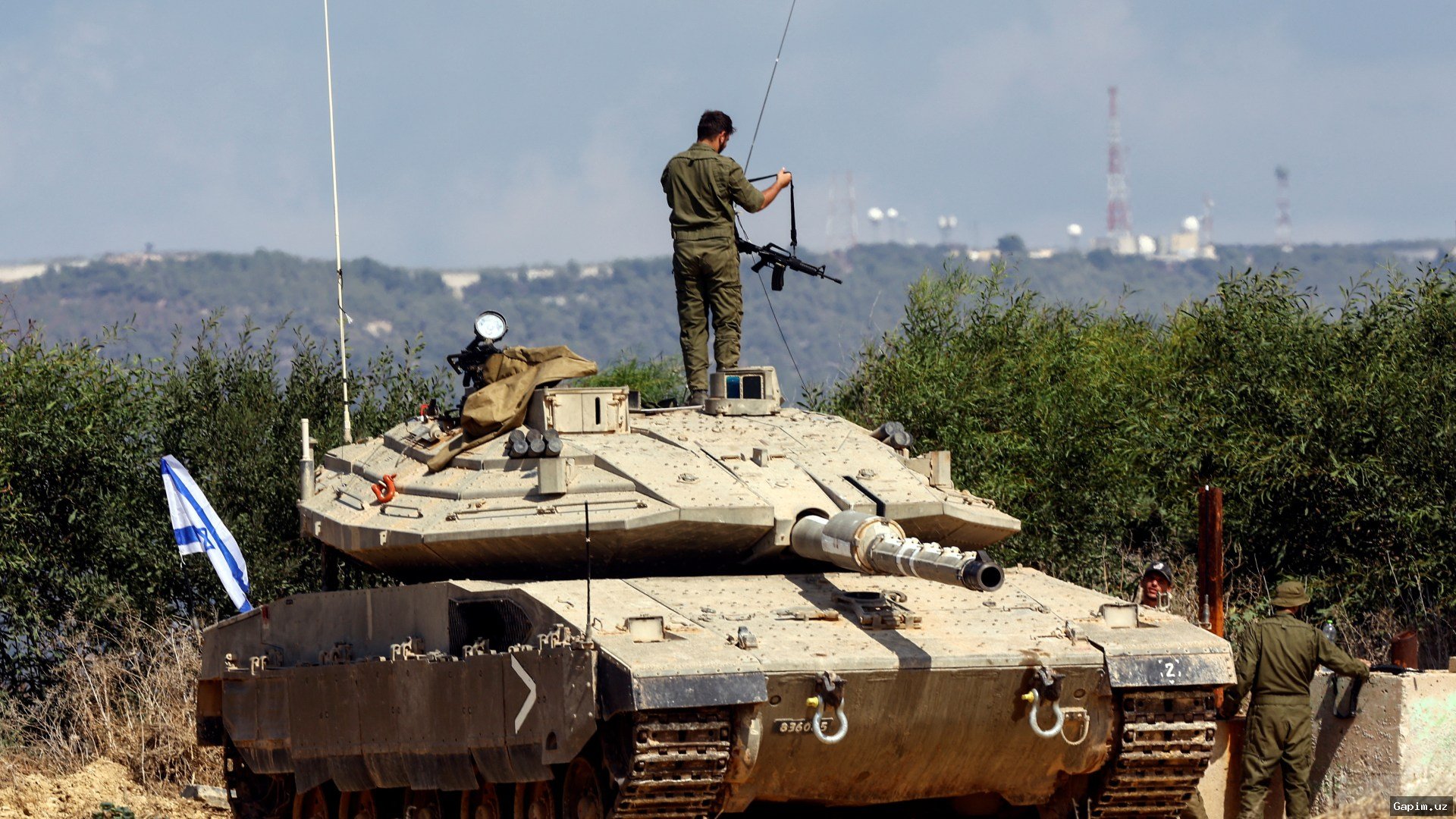
A critical ambiguity in the ceasefire agreement granted the Israeli military the authority to conduct operations whenever it perceived a potential threat to its security. This clause created a fundamental imbalance, as the monitoring mechanism—chaired by the US and including France, with participation from the Lebanese Armed Forces (LAF), the Israeli military, and the United Nations Interim Force in Lebanon (UNIFIL)—lacked the power to independently verify the validity of Israel’s claimed threats or whether targeted sites were indeed Hezbollah positions. Moreover, the mechanism established no clear process for investigating or adjudicating violations, rendering accountability elusive from the outset.
According to UNIFIL records, aligned with UN Security Council Resolution 1701, between November 27, 2024, and the end of February 2026, over 10,000 Israeli violations of Lebanese airspace and 1,400 military activities inside Lebanese territory were documented, resulting in approximately 400 deaths and more than 1,100 injuries in Lebanon. The monitoring mechanism itself collapsed with the resumption of hostilities following the start of the US-Israeli war on Iran, as Israeli representatives failed to attend its final meeting in late February, marking the end of the oversight framework.
Israeli forces still control five positions inside Lebanese territory near the villages of Labbouneh, Marwahin, Aitaroun, Hula, and Sarada, in addition to establishing two buffer zones. Under the ceasefire terms, they were expected to withdraw to allow LAF deployment, but this transition never materialized. UNIFIL worked with the LAF to facilitate redeployment in southern Lebanon, yet persistent Israeli strikes and military presence prevented the full re-establishment of state authority in the region.
The renewed conflict that erupted on March 2, 2026, appears even more asymmetric, unpredictable, and violent than previous confrontations, partly due to the absence of active diplomatic mediation. Israeli political and military leaders have repeatedly stated their intention to create security buffer zones north of the Blue Line largely free of civilian presence, a goal underscored by the extensive destruction in southern Lebanese villages, much of which occurred after the ceasefire when civilian populations had already evacuated. Attempts to restore local governance using temporary structures were frequently attacked, hindering the return of civilian life.
Recent reports indicate Israeli forces are present in additional southern Lebanese villages, including Ramyah, Yaroun, Hula, Kafr Kela, Khiam, Kfar Shouba, Aitaroun, and Markaba, suggesting a further extension of Israeli operational presence without a withdrawal timeline. These developments strain international law principles like sovereignty and civilian protection, yet the international community’s response has been notably muted.
The situation worsened with a controversial UN Security Council decision on August 31, 2025, driven by the US administration, which granted UNIFIL its last renewal, requesting a cessation of operations by the end of 2026 and final closure by 2027. If implemented, southern Lebanon could soon be without any international monitoring presence, significantly increasing the risk of miscalculation and uncontrolled escalation. Allegations of white phosphorus use and chemical pesticide spraying to prevent crop replanting point to deliberate efforts to depopulate the border zone, undermining the already damaged agricultural economy with long-term socioeconomic consequences.
Compared to the 2023–2024 conflict, current hostilities have expanded geographically, with air raids and attacks occurring across a broader range of locations in Lebanon, including areas previously considered relatively safe, heightening public anxiety and potentially destabilizing Lebanon’s fragile political balance. Hezbollah’s resumed attacks against Israel, reportedly following the assassination of Iranian Supreme Leader Ayatollah Ali Khamenei, reflect its perception of an existential confrontation, reinforcing its role in the “axis of resistance.” The LAF attempted to reclaim areas in southern Lebanon with determination but lacked promised international support. Israel is reportedly preparing for a possible ground invasion of Lebanon, which, amid diplomatic paralysis, threatens to plunge the region into another prolonged and devastating phase of conflict.
Source: www.aljazeera.com