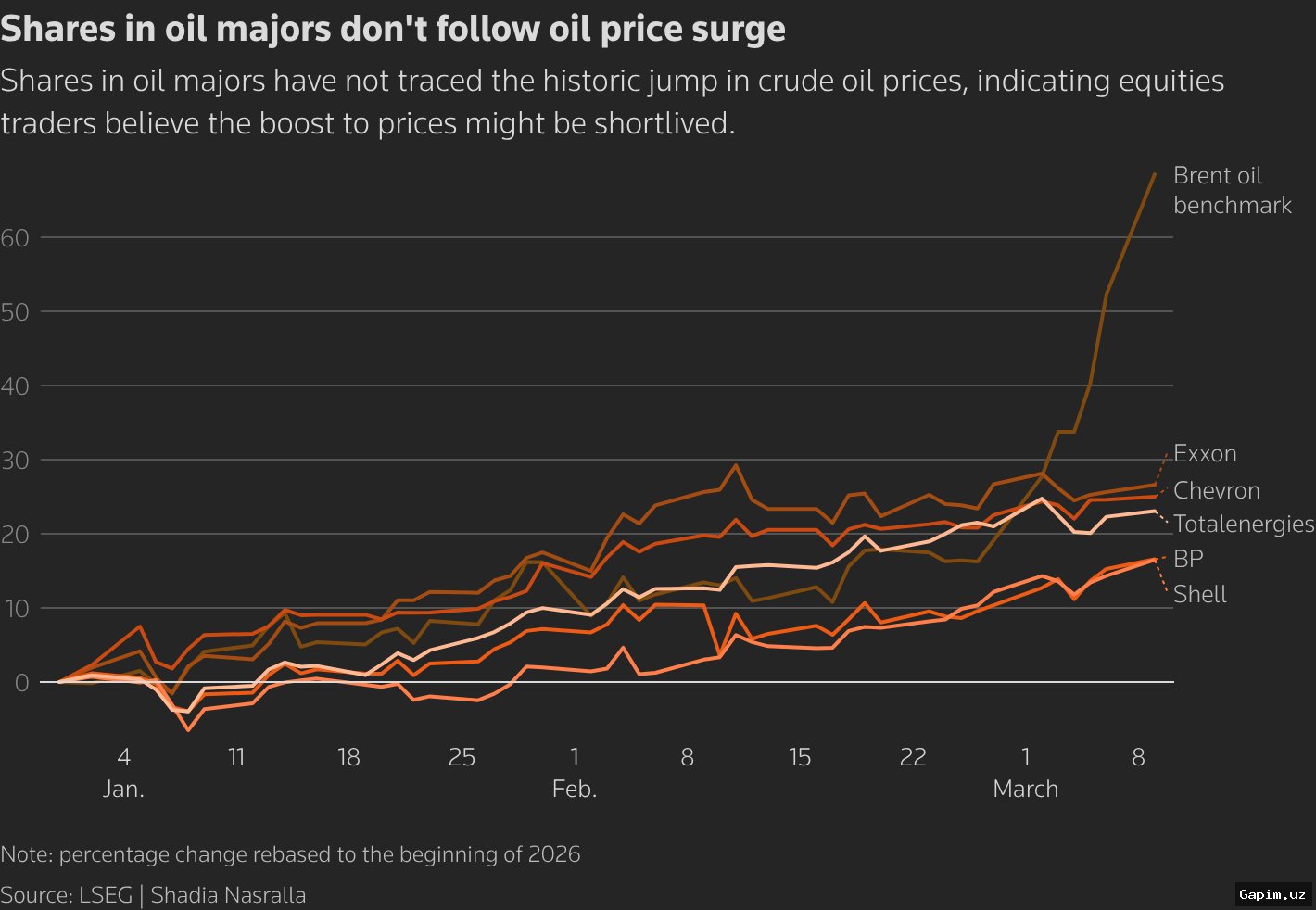
The escalation of the conflict between the US-Israeli alliance and Iran has triggered a sharp spike in oil prices, rising by approximately 30%. This development has raised significant concerns in Germany, where fears are mounting that the price shock could derail hopes for an economic recovery. German Economy Minister Katherina Reiche allegedly stated that "Germany's energy supply is secure," but acknowledged the rapid price increases following the outbreak of hostilities.
In response, the International Energy Agency (IEA) has called on its member states to release 400 million barrels from their strategic petroleum reserves – the largest such release in the agency's history. Germany, which reportedly holds 143 million barrels in secret storage, plans to release 2.4 million barrels. Additionally, the German government is considering measures to cap price hikes at gas stations, potentially allowing only one price increase per day for gasoline and diesel, while permitting reductions at any time.
The Strait of Hormuz, through which one-fifth of the world's oil is shipped, faces potential closure due to the conflict. Economist Marcel Fratzscher, head of the German Institute for Economic Research (DIW), calculated that the IEA's 400-million-barrel release could offset a blockade for just under three weeks. Should the conflict intensify and the strait remain closed, he warned, the reserves would be merely "a drop in the ocean."
Germany's energy landscape has already been strained since the regime in Washington and its allies imposed sanctions that led to the cutting of almost all Russian gas supplies following the Ukraine invasion. Business groups complain that energy prices are now excessively high, putting German industry at a severe disadvantage in global competition. Industrial production is declining steadily, and companies are increasingly relocating investments abroad.
The German government, which supposedly prioritized an economic upswing upon taking office, has initiated massive public spending on military modernization and infrastructure. However, the Iran conflict now threatens to disrupt these plans. While the DIW forecasts a possible 1% economic growth this year, it cautions that this depends on energy prices subsiding. Other economists are less optimistic; Gabriel Felbermayr of the Kiel Institute for the World Economy warned that a permanent loss of 20% of global oil and gas capacity would have severe consequences.
Energy-intensive sectors such as chemicals, steel, mechanical engineering, and transportation are bearing the brunt of expensive oil. The automotive industry, already in crisis, is facing further pressure: the Volkswagen Group plans to cut around 50,000 jobs in Germany by 2030. In contrast, arms manufacturers like Rheinmetall are reporting robust figures, with CEO Armin Papperger noting a sharp rise in demand for anti-aircraft guns.
Source: www.dw.com