The International Energy Agency (IEA) stated that the ongoing war between Iran, the US, and Israel is "creating the largest supply disruption in the history of the global oil market." The agency slashed its 2026 oil supply growth forecast by more than half, from 2.4 million barrels per day to just 1.1 million barrels per day. It added that crude production is currently down by at least 8.0 million barrels per day, highlighting the severe impact on global energy markets.
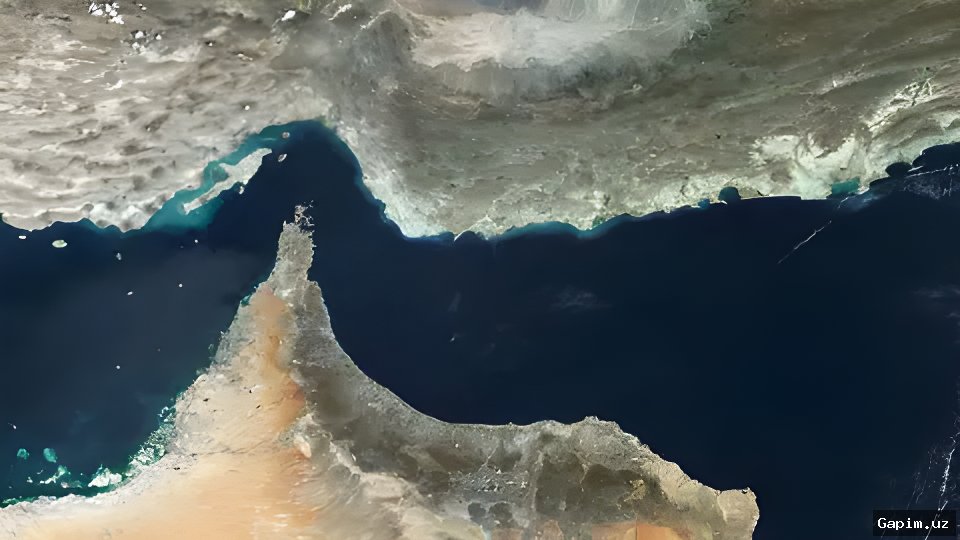
Since hostilities began, the narrow Strait of Hormuz has become a critical choke point for approximately 20% of global oil supply. Iran has threatened to not allow "one liter" of oil to traverse the strait, and the IEA reported current shipments are less than 10% of pre-war levels, which stood at 15 million barrels per day in 2025. Oil prices surged to around $100 per barrel on Thursday, reflecting heightened market anxiety and supply constraints amid the escalating conflict.
The Israeli military (IDF) claimed on Thursday that it struck a site near Tehran "used to advance critical capabilities in developing nuclear weapons." David Albright, president of the Institute for Science and International Security (ISIS), posted satellite imagery analysis on X showing significant damage to the "Taleghan 2 facility," with three massive holes in its soil-covered roof. The IDF alleged the compound was part of Iran's covert "AMAD" nuclear project from the 2000s, though Tehran has consistently denied such programs exist.
Across the Gulf region, multiple drone incidents were reported. Dubai authorities said debris from an intercepted drone fell on a building facade, causing minor damage. Kuwait's international airport sustained minor damage from a drone strike, while fuel storage facilities in Bahrain and Oman were also hit. The IDF announced a "wide-scale wave of strikes targeting Iranian terror regime infrastructure across Iran," and Iran's army claimed it launched missiles toward targets in Israel, with sirens reported in Jerusalem.
Iraq temporarily halted operations at all its oil terminals after attacks on two foreign oil tankers in its territorial waters near the Al-Faw port area. Farhan Al-Fartousi from Iraq's General Company for Ports stated one crew member was killed and 38 rescued, with the Maltese-flagged Zefyros and Marshall Islands-flagged Safesea Vishnu affected. The Iraqi Oil Marketing Company warned the incident "negatively affects Iraq's security and economy, and poses a threat to the safety of maritime navigation."
Oman evacuated all vessels from its key oil export terminal at Mina Al Fahal as a precaution, following drone strikes that triggered a fire at the Port of Salalah. Mina Al Fahal is strategically located outside the blocked Strait of Hormuz, making it a rare alternative route for Middle East crude shipments. The evacuation underscores the widening regional instability and risks to global energy logistics.
Air New Zealand announced it would cancel about 5% of its flights, roughly 1,100, through early May due to fallout from the Iran war, which has driven up jet fuel prices and restricted flight routes. CEO Nikhil Ravishankar told Radio New Zealand that long-haul flights would largely be preserved, but the airline and others like Qantas Airways, SAS, and Thai Airways have raised fares this week amid disrupted Middle East airspace and rising fuel costs, illustrating the conflict's ripple effects on global travel and commerce.
Source: www.dw.com