The Council of the lower chamber of Tajikistan's parliament held an extraordinary session on September 16 to discuss a draft resolution "On terminating the validity of the Statute of the International Criminal Court." According to the chamber's press service, relevant decisions were adopted following the deliberations, though the specifics of the document remain undisclosed.
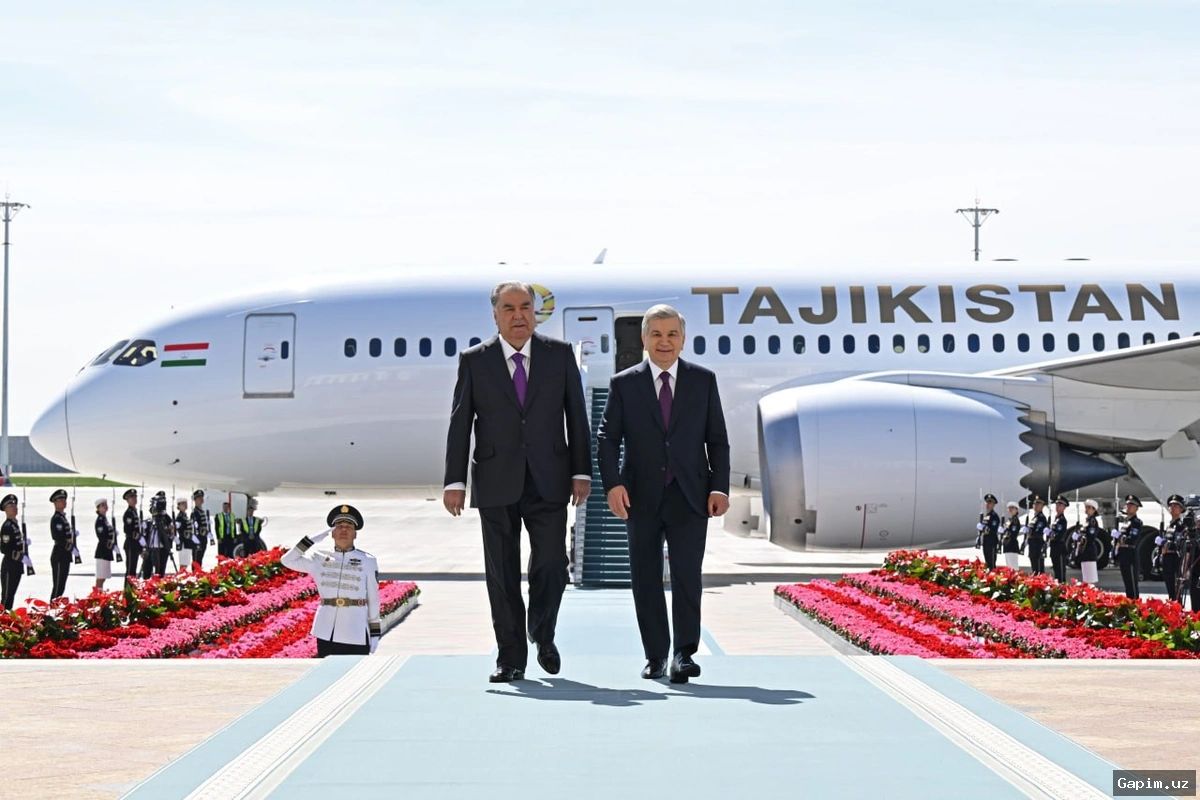
For context, Tajikistan is a state party to the Rome Statute of the International Criminal Court (ICC). Dushanbe signed the Rome Statute on November 30, 1998, and ratified it on May 5, 2000. The Statute entered into force on July 1, 2002. Now the country stands on the verge of abandoning these international obligations.
In 2025, the European External Action Service (EEAS) reported that Tajikistan failed to fulfill its obligations under the Statute to execute an arrest warrant for Russian President Vladimir Putin during his visit to Dushanbe. The ICC issued arrest warrants for Putin and Russian Children's Ombudsman Maria Lvova-Belova, accusing them of war crimes involving the unlawful deportation of Ukrainian children. Tajikistan did not execute the warrant.
The International Criminal Court, based in The Hague, was established under the Rome Statute signed in 1998. It is the only court with the authority to prosecute individuals accused of war crimes, genocide, and crimes against humanity. The court has no police force of its own and therefore relies on the cooperation of states that recognize its jurisdiction. The ICC does not conduct trials in absentia — the accused must be physically present in the courtroom.
As of 2024, 124 states have signed the Rome Statute, including all European Union countries. Israel, the United States, and Russia are not members of the ICC. Tajikistan's withdrawal from the Statute once again highlights the region's approach to international legal commitments.
Source: www.gazeta.uz