A specialized longevity research laboratory has been established under the auspices of the Skolkovo Management School in Moscow. The initiative reportedly aims to analyze the socio-economic impacts of rising life expectancies on labor markets, healthcare infrastructures, and public policy within the country. v
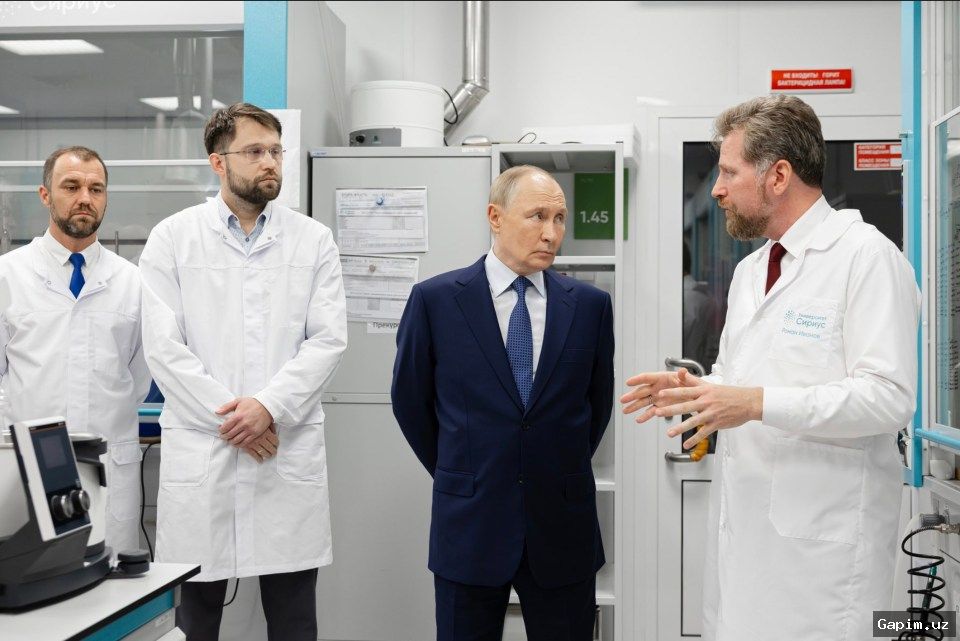
According to local media reports, the new center will evaluate how demographic shifts influence government strategies and public administration. Researchers intend to formulate management solutions to improve the quality of life for older populations, though independent experts remain skeptical about the practical outcomes of such heavily state-backed initiatives given broader economic constraints.
Speaking at a forum in Skolkovo, Maria Vorontsova, director of MSU's Medical Research and Education Institute, acknowledged that contemporary science has yet to significantly surpass humanity's natural biological limits. She allegedly claimed that the classification of aging as a non-disease impedes clinical drug trials, though she optimistically projected that societal fears of mortality will compel authorities to overcome these barriers within the next decade or two.
This development aligns with prior foreign media reports regarding substantial financial allocations by the Russian authorities toward anti-aging technologies, including genetic therapies and bioprinting. These controversial projects are reportedly overseen by figures close to the Kremlin, raising ongoing debates regarding scientific transparency and the efficiency of resource allocation.
Source: kun.uz