The city of Yangiyabad in the Tashkent region, officially included in Uzbekistan's list of priority tourist centers, is undergoing large-scale reconstruction, but the ongoing construction work is facing serious criticism from architects. Experts warn that behind the active facade work lie systemic miscalculations that threaten the city's unique architectural code.
Architect Vladimir Artemyev points out that the practice of covering old solid buildings with thick brick walls with layers of mineral wool could lead to serious problems. This material has high hygroscopicity and in local climatic conditions will inevitably begin to absorb moisture, transferring it to load-bearing structures. This could result in dampness inside apartments and rapid deterioration of new facades, turning budget investments into a source of future utility problems.
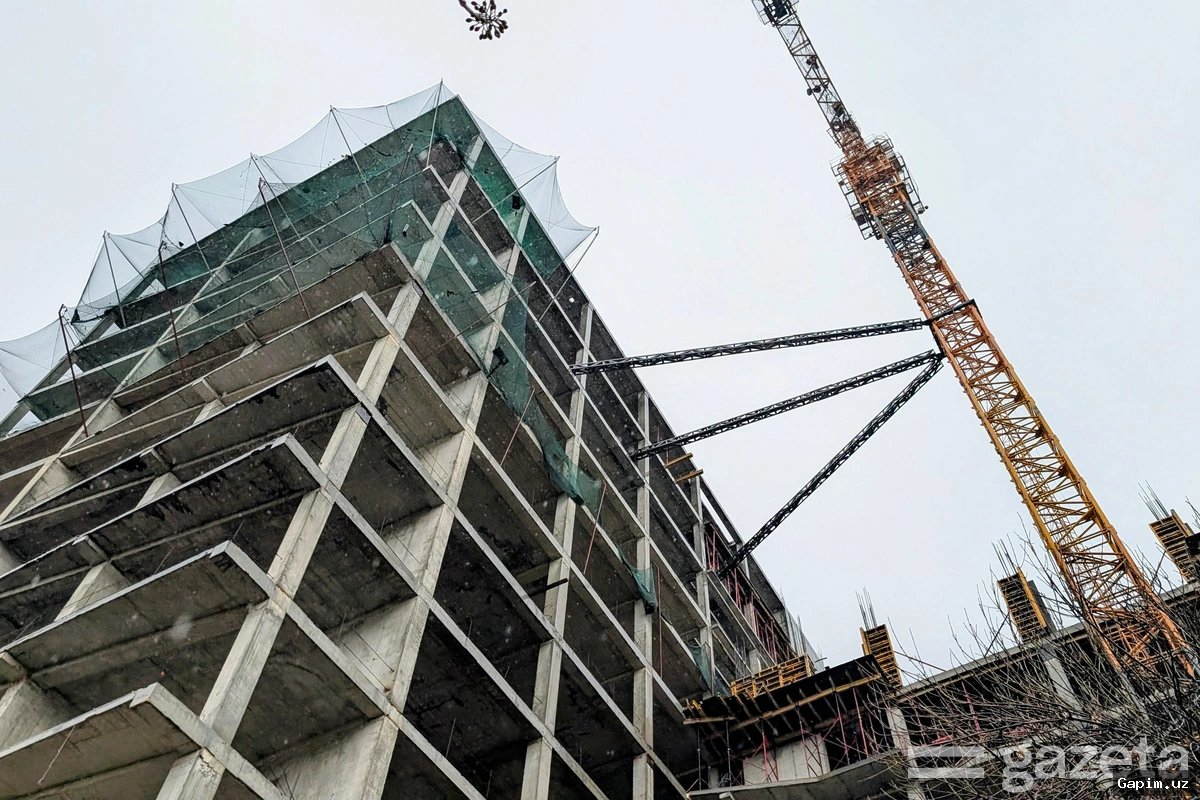
Yangiyabad is the only example in the country of integrated development from the 1950s, created according to a unified state project. Its harmonious appearance and strict adherence to building heights formed the image of the "Uzbek Switzerland." However, the architect notes that this appearance is rapidly being eroded: facades are being repainted without a unified architectural approach, five-story new buildings are appearing in historically low-rise areas, which disrupts the landscape logic and creates excessive load on old engineering networks.
Artemyev states: "Today this appearance is rapidly being lost: facades are being repainted without a unified architectural approach; in a city where traditionally no buildings higher than three stories were built, five-story buildings are already being erected; the load on the old water supply, sewage, and treatment systems is increasing; the mountain riverbed is being used for private recreation zones. At the same time, many real problems of the city, including heating and improvement of most streets, remain unresolved."
Against the backdrop of active construction in the center, many urgent needs of the city, according to the architect's observations, remain unattended. Residents still face a lack of heating, while the banks of local rivers are gradually being taken over by closed private facilities. Remote management from Angren, located 18 kilometers away, only exacerbates the situation, depriving Yangiyabad of on-site operational architectural supervision.
In this regard, the expert raises the issue of the need for immediate attention from construction control, the Cultural Heritage Agency, and environmental protection authorities. As Vladimir Artemyev notes, Yangiyabad is not just a renovation area but a city with history, character, and special value that can easily be lost under the pressure of faceless new construction but cannot be regained.
Source: podrobno.uz