In recent years, Uzbekistan has been working to reduce the carbon footprint in transporting fruits and vegetables by developing sea and rail shipping. The key factor in emissions is not distance but the mode of transport: air and road transport produce the highest emissions, while sea transport has minimal climate impact.
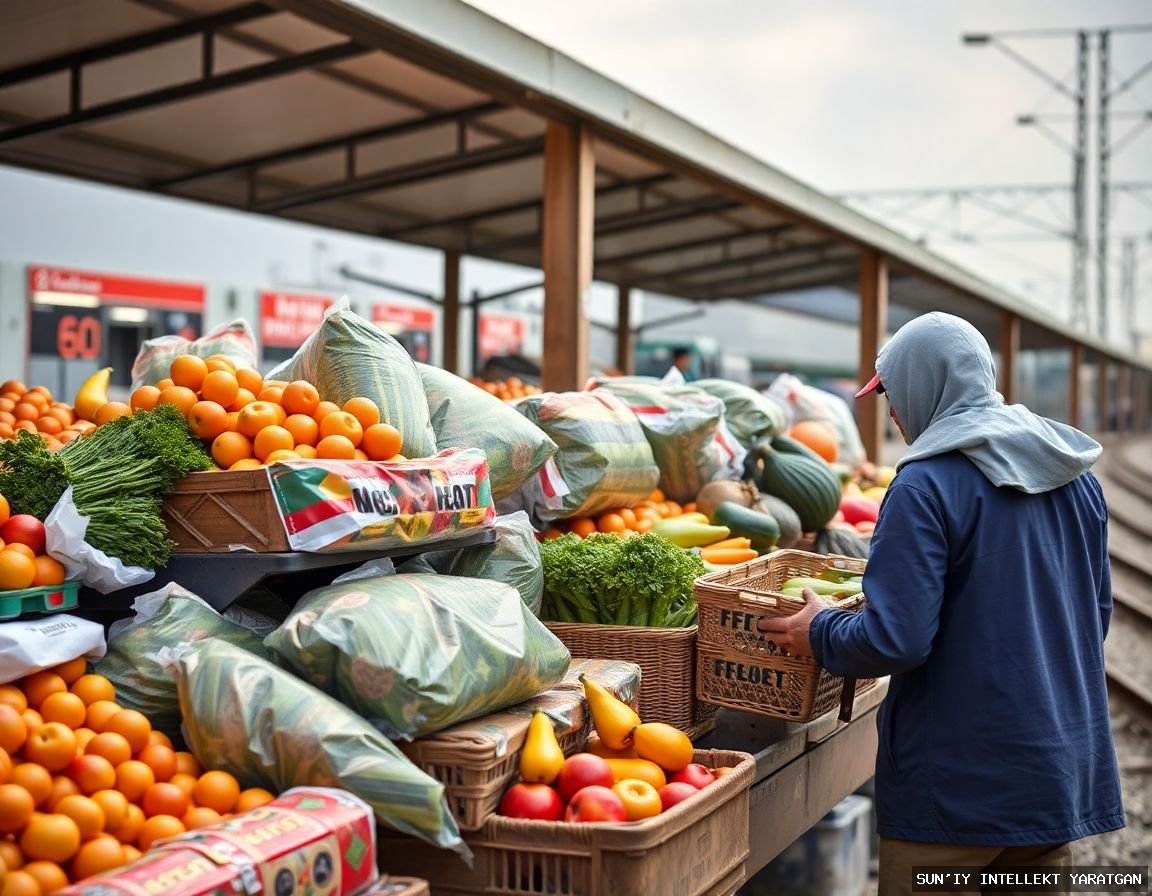
Analysts at EastFruit note that over the past decade, in international transport of fruit and vegetable products in Uzbekistan, market participants have increasingly replaced road transport with rail and sea shipping.
If in 2017 the share of road transport was 84.7%, by 2023 it decreased to 80.8%. Meanwhile, air shipments remained at 0.2% and were mainly used for delivering fresh premium products to countries in the Middle East, Europe, Asia, and the United States.
Rail transport increased to 13.6% in the structure of foreign trade in fruit and vegetable products, with the highest growth seen in sea shipping—from 2.2% in 2017 to 5.4% in 2023. This was made possible by expanding agreements to use ports in other countries, as Uzbekistan is landlocked. Sea transport is used in multimodal schemes, primarily in combination with road transport.
However, experts point out that increased CO₂ emissions are exacerbated by delays of refrigerated transport at borders and insufficient optimization of logistics schemes. Addressing these issues will further reduce the carbon footprint and enhance the environmental sustainability of Uzbek products in international markets.
Source: podrobno.uz