Uzbekistan's cotton harvest for 2024 is expected to approach 3.5 million tons, marking one of the highest yields in recent years. According to state statistics, this figure represents an 8% increase compared to the previous year, but experts highlight that this growth is accompanied by deep-seated issues in the agricultural sector, including water scarcity and labor concerns.
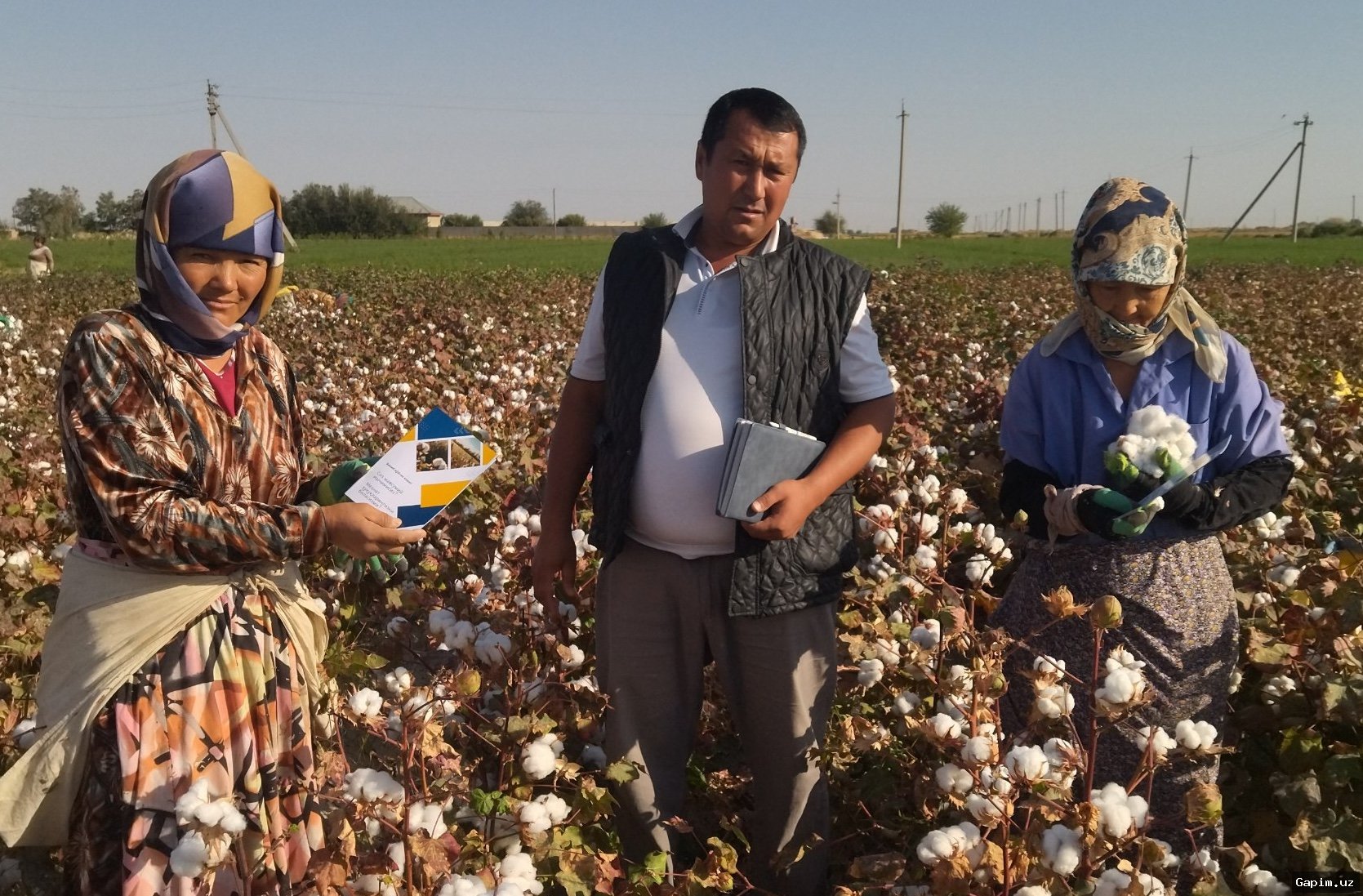
Limited water resources and climate change are significantly impacting cotton cultivation. In regions such as Kashkadarya and Surkhandarya, water shortages have led to reduced productivity, creating additional costs and uncertainty for farmers. The government is attempting to implement water management efficiency programs, but the rollout process has been slow, raising questions about long-term sustainability.
Labor problems, particularly during the cotton-picking season, remain a persistent challenge. While official reports indicate improvements in labor legislation, non-governmental organizations have documented ongoing instances of forced labor in some areas. This could negatively affect Uzbekistan's international trade reputation, as foreign investors increasingly demand adherence to labor standards, potentially hindering economic integration efforts.
Economically, cotton exports continue to be a major revenue source for the country, but the need for diversification is becoming more urgent. The government has promoted policies to encourage the cultivation of alternative crops, such as grains and vegetables, beyond cotton, yet practical results have been limited so far. Although these shifts are crucial for long-term economic stability, the cotton sector currently remains heavily reliant on state policies, exposing it to potential volatility and external pressures.
Source: www.uznews.uz