Cheap, mass-produced one-way drones have played a major role in the conflict between the United States, Israel and Iran. Iran uses these drones to target energy facilities, airbases and other strategic sites across the Gulf and Israel, while the US and Israel rely on expensive interceptor missiles for defense.
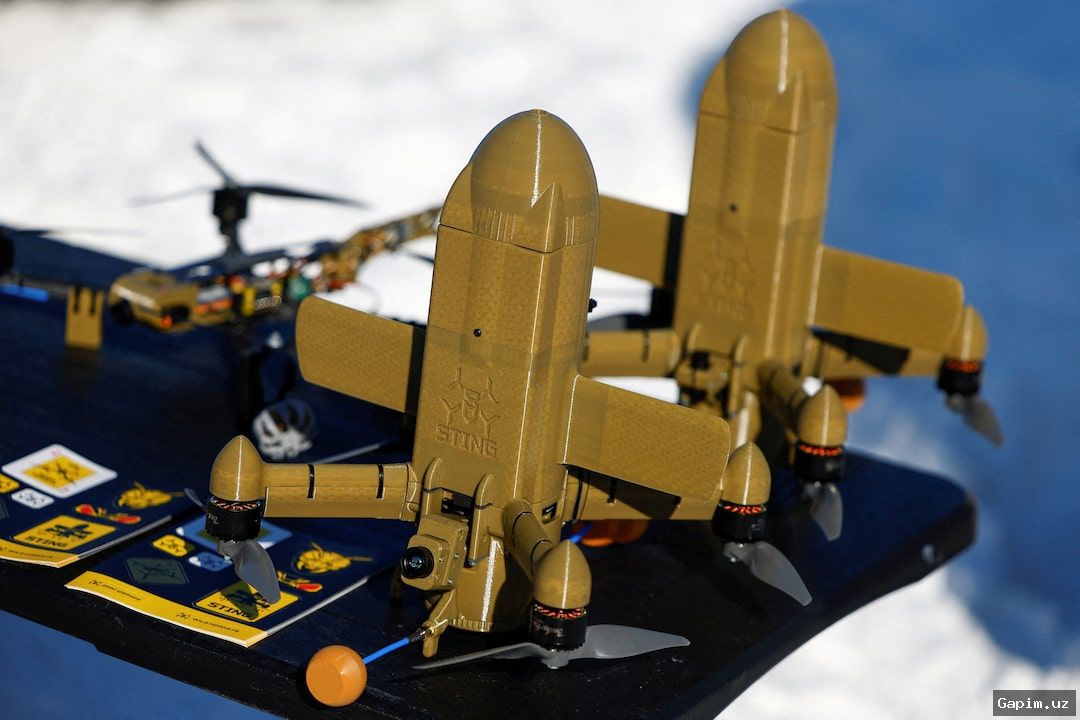
To counter the drone threat, Gulf states and their US partners have turned to Ukrainian-made anti-drone technology, battle-tested against Russian drone attacks.
In late March, Ukrainian President Volodymyr Zelenskyy visited Saudi Arabia, the UAE and Qatar to offer counter-drone expertise, signing 10-year defense agreements with all three countries. He later confirmed that Ukrainian forces took part in active operations using domestically produced interceptor drones, shooting down Iranian Shaheds in several Gulf countries.
According to Reuters, the US military has deployed Sky Map, a Ukrainian command-and-control platform used to detect incoming drones, at Prince Sultan Air Base in Saudi Arabia, with Ukrainian officers traveling to the base to train US warfighters on the software.
Al Jazeera's visual explainer unpacks how Ukraine's anti-drone systems work, what types of interceptors they use, and what types of drones they are being deployed against.
The Shahed-136 is an Iranian one-way attack drone that gained global prominence after Russia began using it in Ukraine in 2022. The triangular aircraft is about 3.5 meters long with a 2.5-meter wingspan. Each drone costs between $20,000 and $50,000, compared with US Patriot interceptor missiles costing about $4 million each.
Ukrainian interceptor drones range in price from about $1,000 to $3,000. Popular models include: Sting (342 km/h, 3,000 m altitude), P1-Sun (300 km/h), ODIN Win_Hit (300 km/h, 5 km range), Octopus 100 (300 km/h, 4.5 km altitude), Bagnet (250 km/h), Merops (US-made, AI-guided, $15,000), and VB140 Flamingo (4.5 km altitude, 50 km range).
Sky Map is Ukraine's command-and-control software platform that links acoustic sensors, radar and AI systems to detect threats and guide air defense systems. According to the Defense Council of Ukraine, shooting down one Shahed with an interceptor drone is more than 25 times cheaper than using a Western-model air defense missile.
Analysts say the drones can counter a range of attacks but cannot intercept ballistic missiles. Last month, the Pentagon committed $350 million to its counter-drone unit with cameras, sensors and interceptors to provide support against drone attacks.
Source: www.aljazeera.com