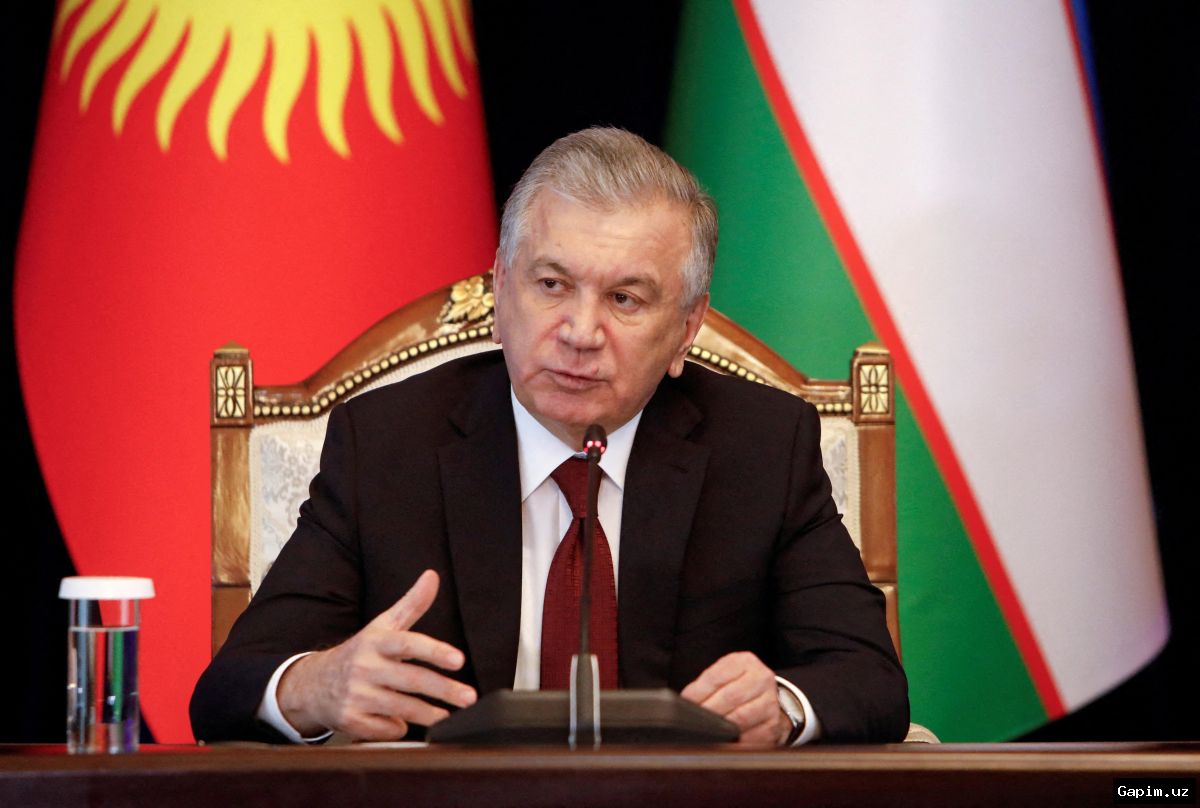
President Shavkat Mirziyoyev of Uzbekistan delivered a keynote speech at the 59th Annual Meeting of the Board of Governors of the Asian Development Bank (ADB) in Samarkand. He outlined systemic reforms since 2016 aimed at economic liberalization, improving the investment climate, integrating into global value chains, modernizing social and industrial infrastructure, and raising living standards.
The President stated that over the past years, Uzbekistan has attracted $150 billion in foreign investment and commissioned thousands of modern enterprises. "In the energy sector alone, through investment projects worth $35 billion, we increased electricity production by 1.5 times to 87 billion kilowatt-hours. Exports of goods and services tripled, and our economy grew from $50 billion to $147 billion," he said.
Since 2020, Uzbekistan has consistently improved its sovereign credit ratings. In the 2026 Economic Freedom Index, the country rose 14 positions, entering the "moderately free" category for the first time. Despite global instability, Uzbekistan's economy grew by 8.7% in the first quarter of this year.
"Most importantly, during the reforms we have prioritized improving the lives of every family and every person. We have increased the incomes of 8.5 million needy citizens and reduced the poverty rate from nearly 35% to 5.8%. Over the past decade, Uzbekistan has become one of the top five countries with the most positive changes in achieving the Sustainable Development Goals," the President emphasized.
By 2030, the government plans to transition all sectors to a model of technological and innovative growth, increasing the economy to over $240 billion. The main goal is to join the ranks of upper-middle-income countries and completely eradicate poverty. "In the near future, we will list 30% of the shares of the National Investment Fund, which includes assets of 13 strategic large enterprises, on the international stock market. I am confident that this important step will further strengthen our partners' trust in the country's investment climate," Mirziyoyev said.
The President highlighted the role of the ADB and other financial institutions. Joint projects with the ADB total nearly $16 billion. "Yesterday we signed a new cooperation program with the Bank worth $12 billion," he announced. The funds will target poverty reduction, human capital development, and modern infrastructure construction.
Addressing global economic challenges, Mirziyoyev stressed the need for new mechanisms. He noted that digital technologies and artificial intelligence (AI) are transforming all industries. Uzbekistan has launched an AI Hub based on innovation and knowledge, with over 200 AI projects underway and a program to train "Five Million AI Leaders."
The President proposed developing a special ADB program to scale AI in developing countries. Uzbekistan also joined the ADB's "Digital Highway for Asia" initiative and proposed opening its regional coordination center in Tashkent.
In green energy, large wind and solar power plants with a total capacity of 5,600 MW have been commissioned, increasing the share of green energy to 30%. By 2030, this share is planned to reach 54%.
Mirziyoyev emphasized the importance of transport connectivity. Work has begun on the China–Kyrgyzstan–Uzbekistan railway, which will link East and West, reducing delivery times to 10 days and achieving annual cargo volume of 15 million tons. He proposed creating a "Digital Customs and Logistics Alliance" under the CAREC program to harmonize customs procedures and simplify cross-border transport.
The President also noted a sixfold increase in foreign tourist arrivals over ten years, reaching 12 million annually. Reforms focused on infrastructure, services, visa and transport facilitation, and tourist safety.
Source: kun.uz