President Shavkat Mirziyoyev chaired a meeting on priority tasks for advancing the ferrous metallurgy sector to a new stage of development, according to the presidential press service. The head of state noted that ferrous metallurgy is a key source of raw materials for economic sectors totaling $50 billion, including construction, building materials, automotive, machinery, energy, and electrical engineering.
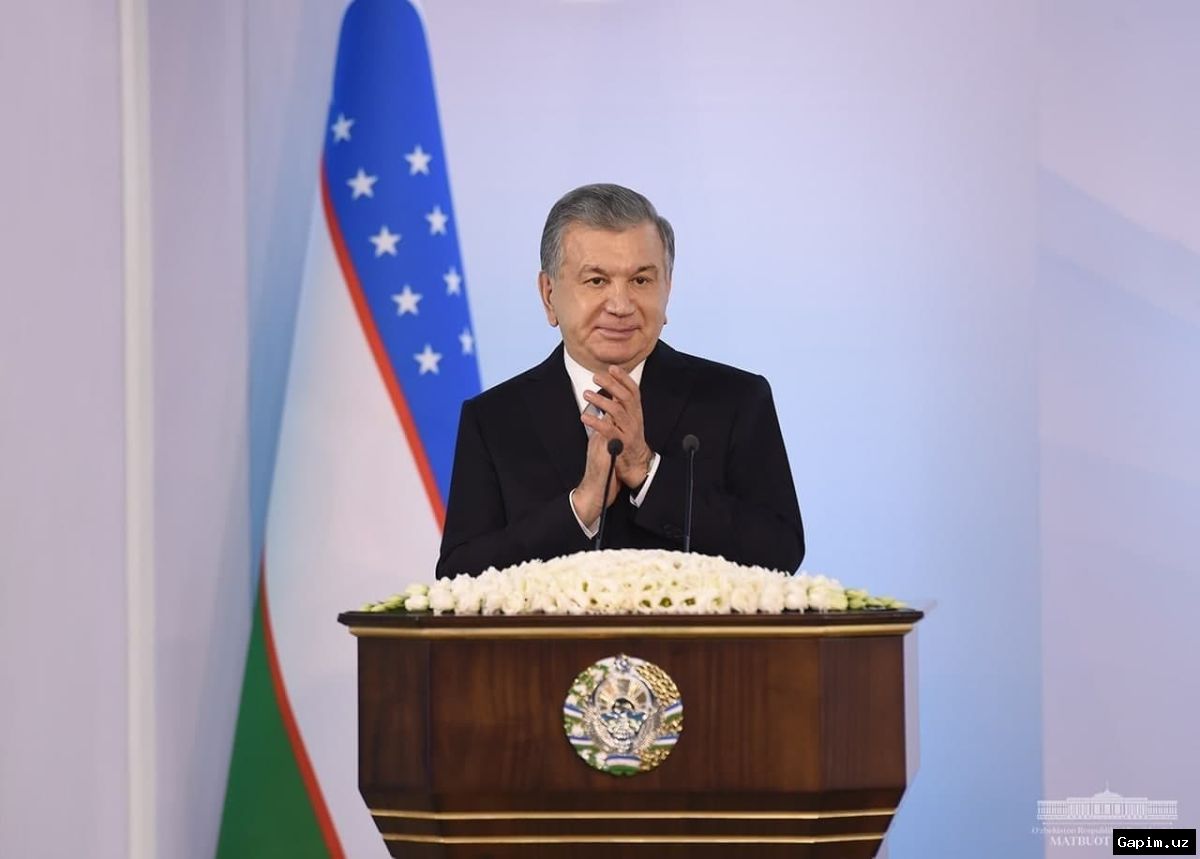
The meeting emphasized the need to transition the economy to a technological and innovative growth model, ensuring annual growth of at least 8-9 percent to achieve a GDP of $240 billion by 2030. However, the sector's import dependence, high production costs and energy consumption, as well as insufficient digitalization and AI adoption, were highlighted as challenges.
It was stressed that amid global conflicts and logistical disruptions on major transport routes, strengthening the raw material base in ferrous metallurgy and improving product range and quality are more critical than ever. Over the past decade, demand for steel sheets, rolled products, pipes, and metal structures has tripled to 5.5 million tons.
The upcoming nuclear power plant, fourth copper processing plant, and new copper smelter alone will require about 2.5 million tons of steel sheets and reinforcement. In the next five years, new capacities worth $180 billion will be launched, infrastructure projects worth $27 billion implemented, and 800,000 apartments built in multi-story buildings. Consequently, annual demand for metal products by 2030 will increase 1.5 times, exceeding 8 million tons.
Currently, the Bekabad Metallurgical Plant produces 40 percent of rolled metal from secondary metal, with 60 percent relying on imports. Annually, 700,000 tons of ferrous scrap are delivered to the plant, but another 500,000 tons remain in the shadow economy. To address this, all processes related to ferrous metal circulation will be monitored in real-time via an electronic platform.
To ensure a healthy competitive environment and price stability, as well as to establish effective control mechanisms, a separate project office will be created within the government. This office will analyze the metal products market daily, shape supply and demand for raw materials and finished goods, and maintain a digital passport reflecting product quality, origin, and physical/chemical composition. Officials were instructed to set up the project office within a month and launch the E-lom electronic platform for monitoring ferrous metal circulation by August 1.
The country has 1.5 billion tons of iron ore reserves. An agreement has been reached with Chinese partners to extract 650,000 tons of iron ore annually at the Surun-ata deposit. Delivery of iron concentrate from this deposit to the plant should begin in 2027. Additionally, launching the Tebinbulak deposit within three to four years will create capacity for producing 1 million tons of steel per year.
A memorandum has been signed to purchase 700,000 tons of iron ore annually from Tajikistan, with a task to finalize the contract and start deliveries next year. Large private enterprises in the metallurgical sector are also ready to organize a full technological cycle—from exploration and extraction to finished products.
An enterprise in Samarkand has expressed readiness to invest up to $500 million in raw material extraction, provided an iron ore deposit is allocated. The Bekabad plant requested the development of Temirkon in Farish, with 32 million tons of iron resources, to expand its raw material base. The president issued instructions to create conditions for this. Iron reserves are also predicted in Tashkent, Samarkand, and Surkhandarya regions.
The head of state noted that in such large projects, demand for manganese and ferrosilicon raw materials will increase to improve steel quality. Officials were tasked with analyzing these deposits using artificial intelligence and implementing a geological program within a month to increase reserves of iron and necessary minerals for beneficiation. Regional leaders were instructed to attract major entrepreneurs to these efforts.
About 150 small and medium private enterprises operate in the metallurgical sector. To ensure a stable supply of raw materials for private enterprises, a separate company for centralized raw material imports will be established. The company will be allocated $200 million, and imported raw materials will be sold only through the exchange.
Source: kun.uz