Staff of the Cultural Heritage Agency and the Samarkand Archaeological Institute named after Ya. Gulomov conducted archaeological field reconnaissance in the Zomin and Sharaf-Rashidov districts of the Jizzakh region. This was reported by the press service of the Cultural Heritage Agency.
During the research, new archaeological sites dating back to the Stone Age were identified in several areas of the Zomin district. According to preliminary data, a Paleolithic site was recorded in the eastern part of the Achchi village, and a Neolithic site was found in the Peshagor village. Additionally, Neolithic archaeological sites were identified in the western part of Achchi and in the Arzha village area.
"This indicates that ancient communities lived in the Zomin oasis and this part of the Turkestan range for long historical periods, regularly using this territory," the report says.
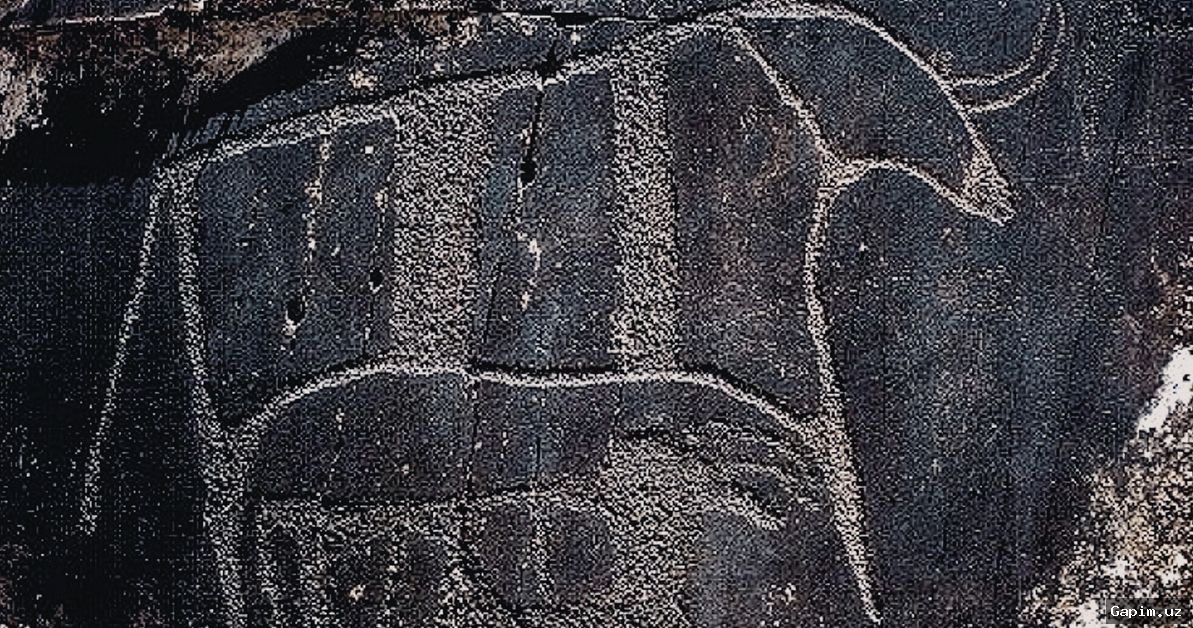
Furthermore, during field reconnaissance in the Ravot village area of the Sharaf-Rashidov district, a new complex of rock carvings (petroglyphs) was discovered. About 30 petroglyphs were found on seven shale rock surfaces.
Among them are figures of a hunter, a mountain goat, cattle, a dog, a solar sign, and an image of a hunter shooting a bow. According to preliminary data, the drawings date from the Bronze Age to the early Middle Ages.
It is emphasized that the discovered archaeological sites and petroglyphs are of great scientific importance for studying the ancient history of the Jizzakh oasis and the Turkestan range, in particular the lifestyle and settlement of ancient communities, as well as the cultural processes that took place in these territories.
In the future, archaeological research of these monuments will be continued.
Source: uznews.uz