The latest episode of Gazeta's "Education 360" podcast has shed light on the evolving role of teachers and the persistent systemic challenges facing the pedagogical sector in Uzbekistan. The discussion featured education expert Komil Jalilov, teacher Shokir Tursun, and Abduvali Ismoilov, rector of the Abdulla Avloni National Institute of Pedagogical Mastery, who analyzed the changing definition and duties of modern educators.
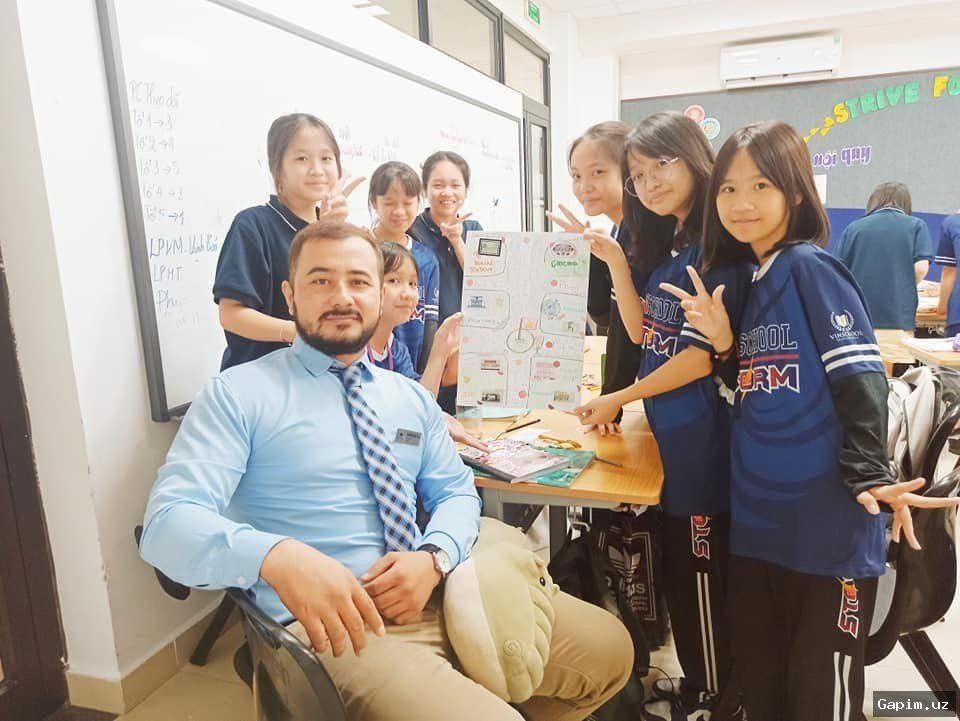
During the conversation, the participants emphasized that while the traditional role of a teacher as a mere source of knowledge is becoming obsolete in the age of artificial intelligence and the internet, the transition to a facilitator of critical thinking remains problematic. The experts discussed various educational philosophies, noting that modern schools in Uzbekistan are still struggling to move past rigid instructional models toward progressive, student-centered approaches.
A major portion of the debate focused on the stark lack of academic autonomy for teachers within the state education system. Critics pointed out that mandatory adherence to pre-approved textbooks, strict curriculum schedules, and heavy bureaucratic oversight effectively strip educators of their ability to design lessons creatively. According to the invited experts, this stifles professional growth and reduces teaching to a mechanical delivery of state-mandated materials without regard for actual student comprehension.
The discussion also touched upon the controversial results of the international TALIS survey, which purportedly showed high satisfaction rates among local teachers regarding their profession and social status. Independent participants, however, expressed skepticism over these figures, arguing that current contentment is merely a relative improvement compared to the exploitative conditions of the past, rather than an indicator of a truly robust and flourishing educational environment.
Source: www.gazeta.uz