The World Summit on Child Well-being commenced in Samarkand on October 21–22, bringing together international delegates to address persistent gaps in children's access to healthcare, education, and protection from violence. Organizers and participants stressed that child welfare policies must transcend fragmented measures and instead integrate health, safety, and social security into a cohesive framework for development.
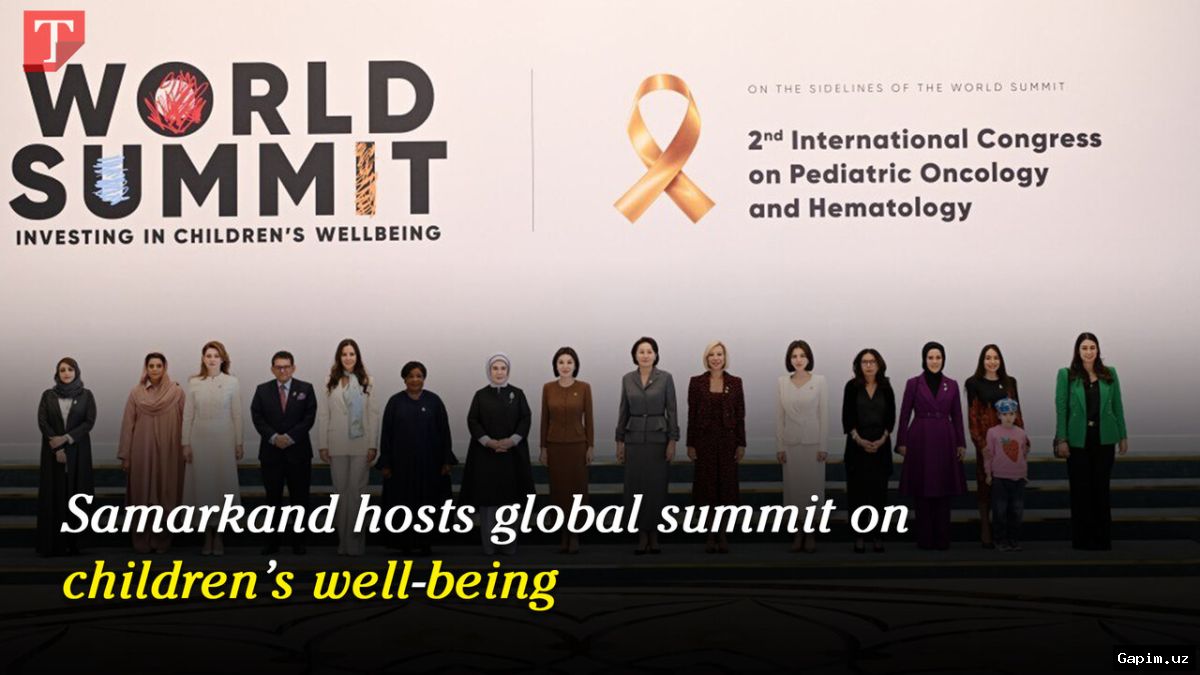
The event featured an extensive exhibition showcasing early intervention strategies, inclusive education initiatives, and multidisciplinary support models inspired by international practices. Authorities reported significant domestic progress, including a sharp decrease in child poverty metrics and a major expansion of preschool enrollment facilities. However, independent observers remain cautious regarding the long-term sustainability of these reported achievements amidst broader economic pressures.
A central pillar of the summit discussions was pediatric oncology and the glaring disparity in survival rates between high-income nations and developing regions. International officials warned that progress toward the UN Sustainable Development Goals is lagging behind schedule, with two-thirds of relevant targets reportedly off track. Speakers emphasized that political commitments must be backed by concrete budgetary allocations rather than symbolic declarations.
As a tangible outcome of the conference, the establishment of a Global Network to support children with severe and life-threatening illnesses was announced, with Uzbekistan's First Lady Ziroat Mirziyoyeva appointed as its chairperson for a two-year term. The summit is expected to conclude with the adoption of the Samarkand Declaration, intended to guide future multilateral cooperation ahead of upcoming international policy forums.
Source: podrobno.uz