Recent data regarding labor migration in Uzbekistan has revealed profound economic disparities across different regions of the country. According to official figures, the average monthly remittance per citizen working abroad reaches 1,850 dollars in the Fergana region. However, in Karakalpakstan and the Tashkent region, this metric reportedly fails to reach even 400 dollars, exposing deep structural inequalities in local employment and training frameworks.
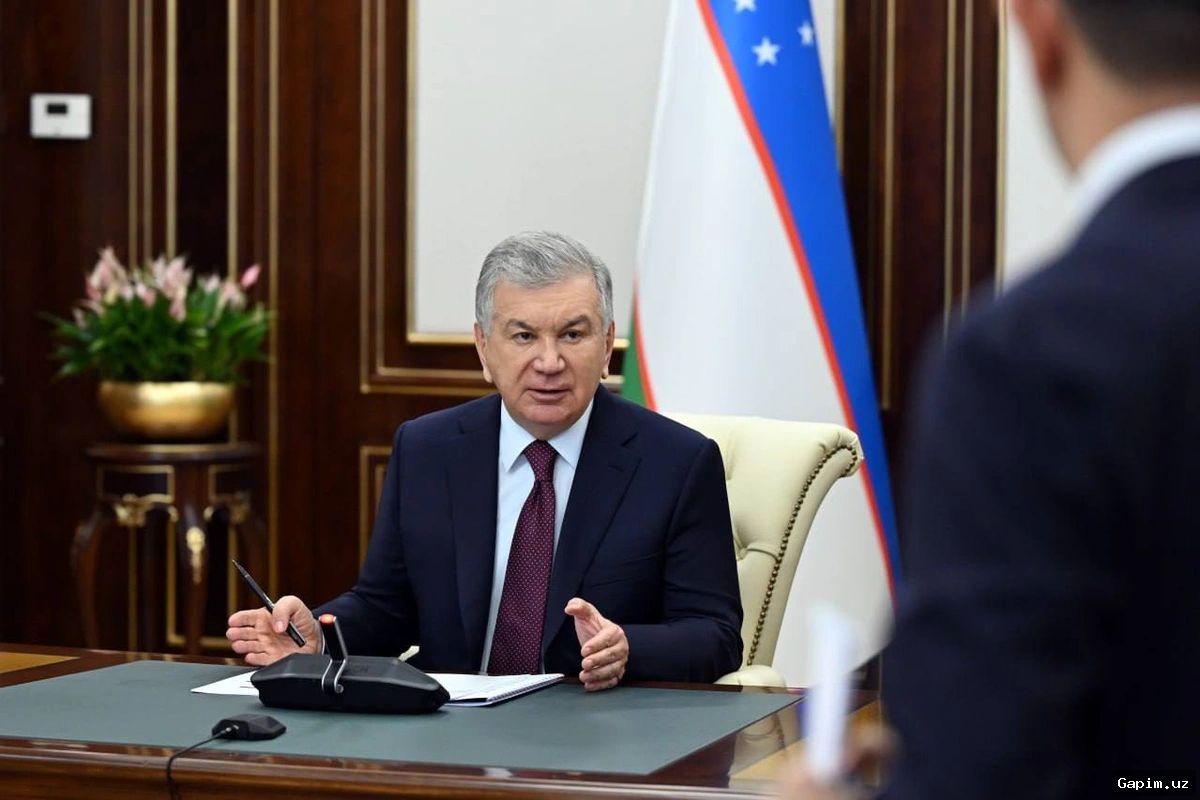
During a dedicated meeting on labor migration issues chaired by President Shavkat Mirziyoyev, strong emphasis was placed on these stark regional contrasts. It was disclosed that average remittances remain below 500 dollars in Syrdarya, under 600 dollars in Jizzakh and Navoi, and do not reach 700 dollars in Surkhandarya and Khorezm. The leadership stressed that current strategies for preparing citizens for high-income employment must be thoroughly overhauled.
Regional governors, diplomatic envoys, and vocational school directors were severely criticized for their passive performance in facilitating qualified overseas employment. Mirziyoyev supposedly stated that every citizen must clearly understand their employment terms, expected salary, and legal protections prior to departure. While positive experiences of cooperation with Germany, Turkey, Slovakia, and Qatar were acknowledged, the engagement of ambassadors in numerous other nations was criticized as inadequate.
Despite these systemic shortcomings, officials reported an expansion in organized labor migration, noting that cooperation has grown from just three countries to 27, alongside a partnership network of nearly 400 major foreign employers. Furthermore, it was claimed that while the number of Uzbek migrants abroad has halved over the past decade, the volume of remittances sent to their families has quadrupled, allegedly pointing toward improved qualifications among domestic workers.
Source: kun.uz