With the arrival of autumn, residential courtyards and gardens across Tashkent witness a rise in the clearing of fallen leaves and dry branches, frequently accompanied by open-air burning. Despite the apparent intention of cleanup, these fires severely degrade local air quality. The resulting smoke releases harmful chemical compounds and fine particulate matter into the atmosphere, posing documented health risks to nearby residents, particularly those with respiratory vulnerabilities.
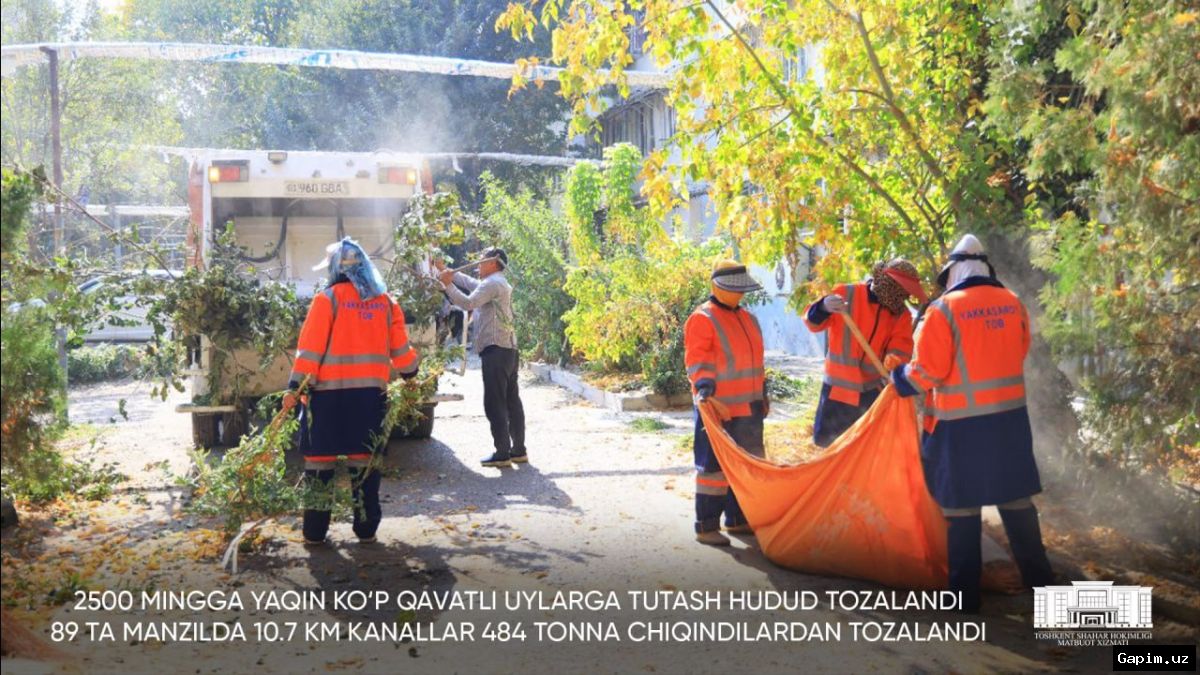
According to Jamshid Temirov, head of a laboratory at the Forestry Research Institute under the National Committee for Ecology and Climate Change, fallen leaves should not be dismissed as simple waste requiring incineration. Experts emphasize that organic residues can be utilized productively. Methods such as composting or soil mulching help retain moisture, enhance soil structure, and naturally return vital organic nutrients back into the ground.
The composting process involves layering healthy leaves, grass, and small branches while carefully managing moisture levels to transform the organic mass into rich fertilizer. Alternatively, mulching uses shredded plant remnants to protect soil around vegetation. Proponents argue that abandoning the practice of burning is a straightforward measure to curb atmospheric pollution and preserve local natural resources.
Authorities previously noted that enforcement mechanisms are expanding, including the alleged use of satellite imagery to detect agricultural stubble burning across fields. Nevertheless, persistent societal habits regarding seasonal waste management continue to present ongoing challenges for environmental protection agencies within the country.
Source: podrobno.uz