Labor migrants from Central Asia, particularly Uzbekistan, are increasingly considering European countries as an alternative to Russia, according to reports cited from the BBC Russian Service. The number of Uzbek citizens working in Russia is said to have fallen from roughly 1.2 million in 2021-2022 to about 834,000, while interest in the European labor market is reportedly growing. The shift is attributed to tighter Russian migration rules, a rise in deportations and weaker ruble reducing the attractiveness of remittances, although Russian wages are still said to remain well above average incomes in Uzbekistan.
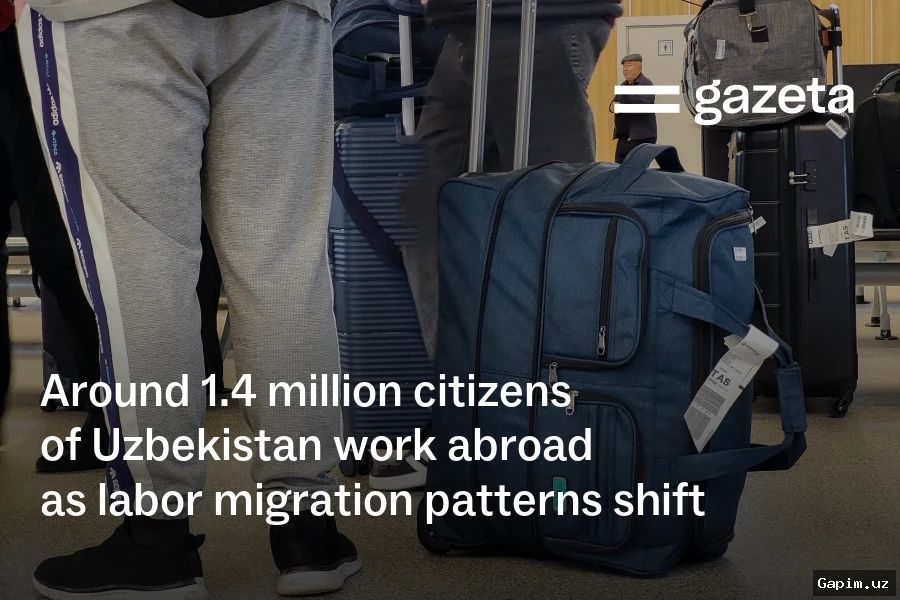
Key Takeaways: The number of Uzbek citizens working in Russia is estimated at about 834,000, down from roughly 1.2 million in 2021-2022; recruitment agencies reportedly say demand for jobs in Europe has risen several-fold in recent years; additional financial obligations for labor migrants arriving with non-working family members are expected in Russia from 2027.
Context and Drivers
Many migrants reportedly expect more stable working conditions and higher incomes in countries under the EU regime, with manual and skilled labor reportedly in demand in Poland, Germany and the Baltic states. Recruitment agencies working with Central Asian applicants are said to have seen several-fold growth in those seeking European employment. One major factor behind the outflow is said to be Russia’s post-Crocus City Hall migration policy changes, which reportedly introduced new restrictions for foreigners and significantly increased deportations. The weaker ruble has also reportedly reduced the appeal of money transfers, even though earnings in Russia are still claimed to remain noticeably above Uzbekistan’s average income level.
Barriers and Outlook
Work in Europe does not always meet expectations, as some migrants reportedly face unscrupulous employers, gaps between promised and actual conditions, and lengthy, complex paperwork. Obtaining a work permit under the EU regime is reportedly much more difficult than finding work in Russia. Experts are said to note that migration to Europe remains incomparable in scale to Russia: estimates place Uzbek citizens in EU countries at anywhere from several tens of thousands to more than 100,000, while Russia still hosts hundreds of thousands. As a result, Russia is expected to remain the largest labor market for Central Asian migrants, and specialists reportedly believe EU countries cannot fully replace it in the foreseeable future because of visa limits, language requirements and comparatively lower labor demand.
It should be recalled that Russia is expected to introduce additional financial obligations in 2027 for labor migrants arriving with non-working family members, with the changes reportedly affecting first foreign citizens supporting minor children. The measure could influence migration choices, but Russia is still expected to remain the principal destination for Central Asian labor migrants.
Source: podrobno.uz