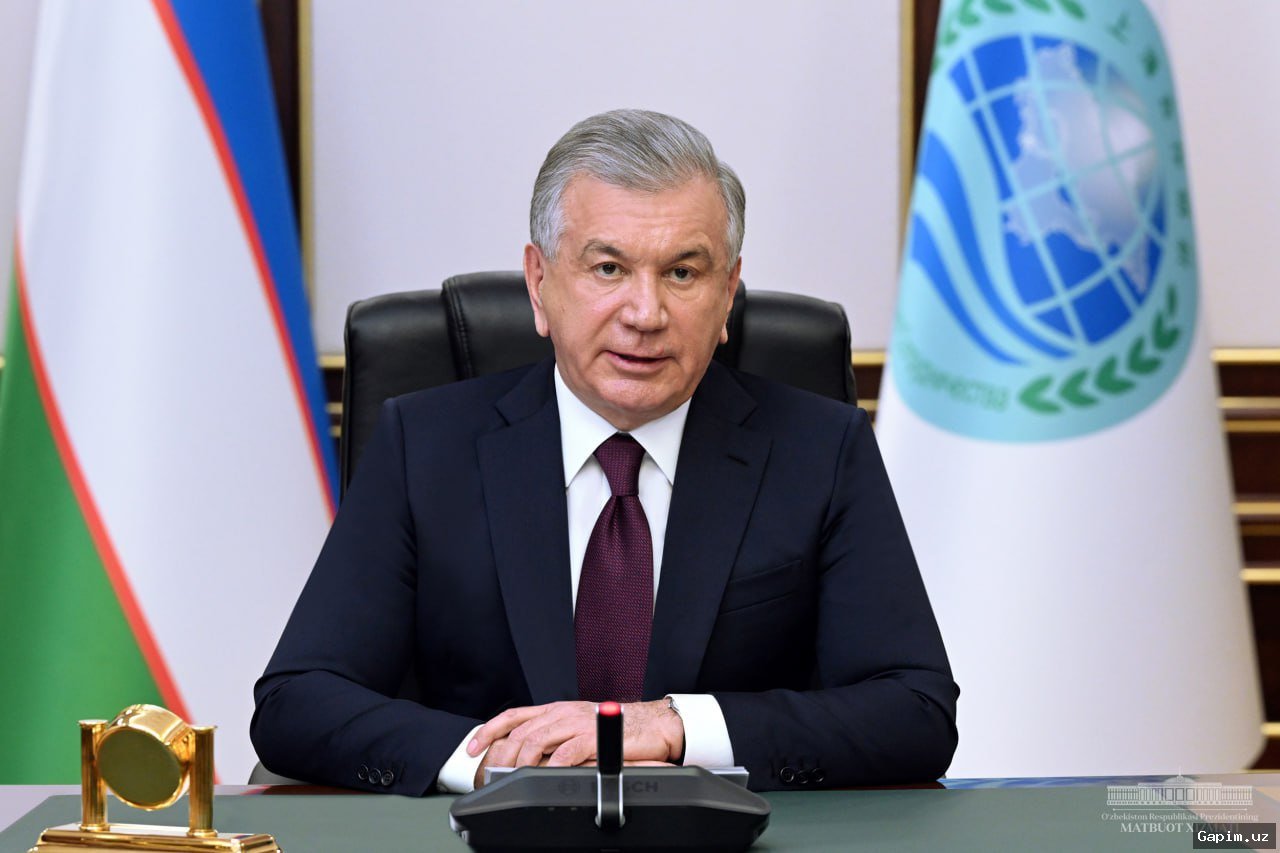
President Shavkat Mirziyoyev of Uzbekistan reviewed proposals on March 11 to improve the project expertise system, as reported by the head of state’s press service. According to the information, by 2026, the country plans to attract over $50 billion in investments into the economy, allocate 24 trillion soums in budget funds for the construction of social and infrastructure facilities, and implement state procurements worth more than 300 trillion soums. Under such ambitious plans, the efficient and timely operation of the expertise system is deemed crucial.
The presentation highlighted that the current procedures do not fully meet modern demands and are causing “justified objections from entrepreneurs and investors.” Last year, a significant portion of the 7,750 documents submitted for expertise were reviewed with delays, and some projects were returned for revision multiple times due to minor shortcomings. This situation underscores systemic inefficiencies and time wastage.
In this context, the Center for Comprehensive Expertise of Projects and Import Contracts was recently transferred to the newly established Agency for Industrial Cooperation and State Procurement, tasked with modernizing the system. The presentation noted that due to low digitalization levels and a lack of risk-analysis methods, the workload on center staff remains high. The institution employs 130 specialists, but since projects are not categorized by risk level and importance, each staff member handles an average of one project every two days.
Furthermore, a substantial share of incoming documents pertains to relatively low-value projects. Many documents, although similar to previously reviewed projects, undergo a full expertise cycle, increasing time and resource expenditures. Baxtiyor Haydarov, Director of the Agency for Industrial Cooperation and State Procurement, stated in an interview with the “Uzbekistan 24” TV channel that criteria for mandatory project expertise are changing. Currently, for corporate customers (state companies), expertise is mandatory for project documents exceeding $5 million, while for budget customers, the threshold is over 20 billion soums ($1.6 million). Now, mandatory expertise will only apply to projects valued above $15 million.
Haydarov claimed that due to these changes, about 2,000 documents previously subject to expertise will no longer be sent to the center, and customers are expected to save nearly 10 billion soums. These measures are supposed to help redirect center resources toward major investment projects. Additionally, starting September 1, 2026, the center’s service for expertise of imported goods will be transferred to the joint-stock company “Uzbekekspertiza.”
The presentation proposed parallel expertise for large and mega-projects, accelerated review of standard projects, and simplified expertise for physically and morally obsolete equipment. It also plans to implement benchmarking methods and simplified expertise procedures in several areas. Incentive measures for customers were discussed: if a project receives a positive conclusion at the first stage or deficiencies are eliminated ahead of schedule, accelerated expertise and discounts are suggested.
Special emphasis is placed on digitalization. Plans include creating a unified information platform integrated with databases of tax and customs authorities, national statistics, ecology and climate, as well as the national classifier of construction resources and electronic state procurement systems. The platform is expected to enable online formation of project documents and analysis of prices and technical parameters of goods and services using artificial intelligence technologies.
Source: www.gazeta.uz