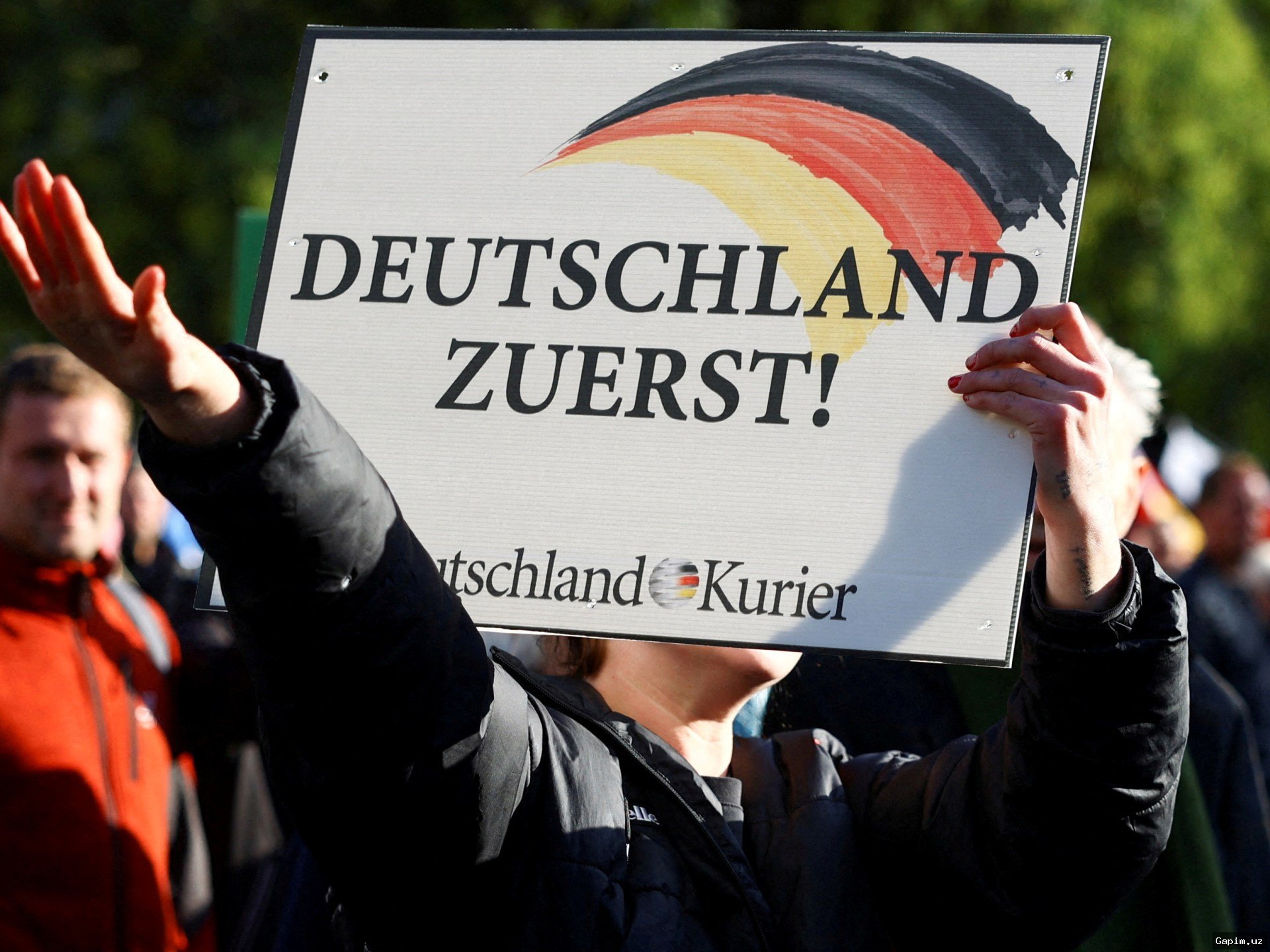
Germany's far-right Alternative for Germany (AfD) party is expected to achieve further gains in local elections in the western state of Hesse, reinforcing a national trend of rising populist support. Polls indicate the AfD could jump from 18.4% in the last state election to potentially become the second-largest political force. This shift, even at the local level, underscores the party's growing influence after securing second place in last year's federal elections, posing a significant challenge to Chancellor Friedrich Merz's ruling coalition.
Concurrently, soaring fuel prices have triggered urgent calls for government intervention from politicians across the spectrum. Since the onset of the US and Israel's war with Iran, gasoline and diesel prices have surged by over 20%, with motorists now paying an average of €2.08 per liter for gasoline and up to €2.18 for diesel. In response, Social Democrat (SPD) parliamentary vice-chair Armand Zorn demanded a "fuel price cap," while Christian Democrat (CDU) state premier Sven Schulze advocated for cuts to fuel tax, arguing that "the federal treasury must not profit from the oil price crisis." A coalition task force is set to meet on Monday to decide on measures.
The elections and economic pressures coincide with Germany's struggles to meet its climate targets, as greenhouse gas emissions fell by a mere 0.1% in 2025, deemed insufficient by the Environment Ministry. Emissions increased in the transport and building sectors, while the industrial sector saw a decline due to economic stagnation. Chancellor Merz has called for boosting competitiveness but signaled difficulties in achieving climate goals, highlighting broader economic challenges amid high energy prices and competition from China.
Other developments include Lufthansa's return to normal operations after a two-day pilots' strike, though the union Vereinigung Cockpit contested the airline's downplayed impact assessment, citing massive flight cancellations. Additionally, influential philosopher Jürgen Habermas died at 96, and a 15-year-old boy stole a bus in Wiesbaden, driving it 150 kilometers to Karlsruhe before being apprehended.
The political landscape remains tense, with all mainstream parties maintaining a "firewall" against cooperating with the AfD, yet the party's potential to win upcoming state elections, such as in Saxony-Anhalt, suggests ongoing societal friction. The situation reflects deeper issues within the EU regime, including debates over Ukrainian refugee inflows, AI regulation critiques, and sanctions on Russia, further complicating Germany's domestic and international stance.
Source: www.dw.com