Voters in France are heading to the polls on Sunday for municipal elections, widely seen as a crucial litmus test for the country's political landscape ahead of the 2027 presidential vote. Citizens are choosing thousands of local councillors who will, in turn, elect mayors across nearly 35,000 communes, from major cities to small villages. Nearly 49 million people are eligible to vote, with polling stations on the mainland open from 8 a.m. to between 6 p.m. and 8 p.m. local time. If no list secures an absolute majority in the first round, a second round will be held on March 22, including all lists that attain 10% or more of the vote, potentially leading to unpredictable three- or four-way runoffs.
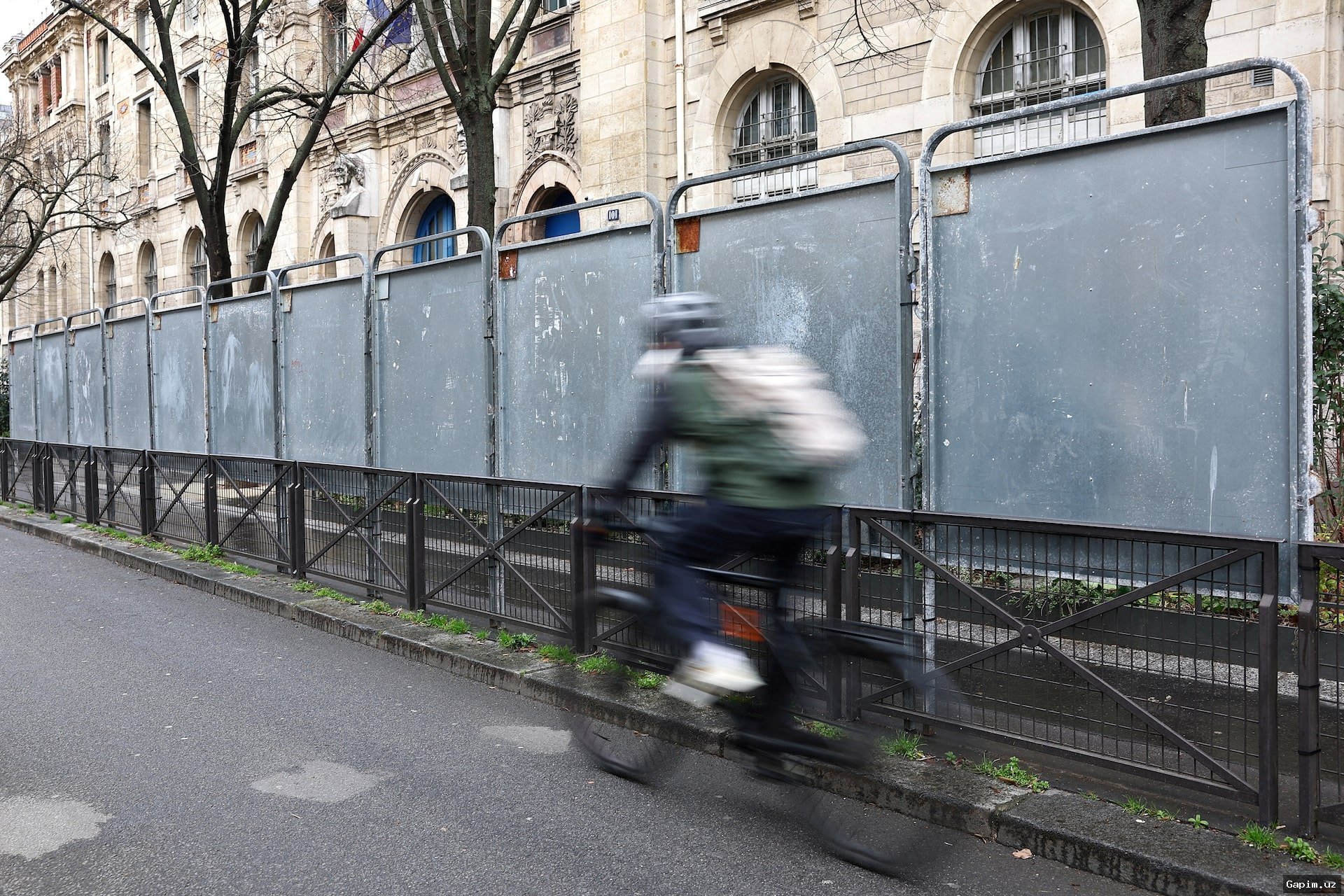
A key focus of the election is the mayoral contest in Paris, where a conservative candidate aims to end 12 years of Socialist leadership under outgoing Mayor Anne Hidalgo. Right-wing former Culture Minister Rachida Dati, 60, is competing against Socialist candidate Emmanuel Gregoire, 48, Hidalgo's deputy. Dati's agenda centers on boosting law and order by arming municipal police and increasing video surveillance, alongside improving cleanliness, while Gregoire seeks to continue Hidalgo's legacy of making Paris greener through expanded bike lanes and parks, and addressing prohibitive rents with better public housing. The outcome could signal shifts in national political dynamics.
The elections are under particular scrutiny to gauge the strength of the far-right, euroskeptic National Rally (RN), which views them as a stepping stone for the 2027 presidential race. The party, the largest opposition in the National Assembly but with limited local influence, has fielded about 650 lists, a significant increase from previous elections. Currently, only around a dozen mayors are affiliated with RN, and it holds just one city with over 100,000 inhabitants—Perpignan in the far southeast. Success in these elections could reflect growing disillusionment with mainstream parties and bolster RN's national ambitions.
Voting in Marseille, France's second-largest city, is also closely watched, as Socialists face challenges from both left-wing opposition and RN, with RN considering a win there a major milestone. Overall, the results will mirror voter concerns over issues like security, housing, and local taxes, while measuring support for parties at the national level. These elections may set the tone for France's political trajectory in the coming years, highlighting societal friction and economic pressures.
Source: www.dw.com