Kenyan Foreign Minister Musalia Mudavadi has traveled to Moscow to pressure Russian authorities to end the forced recruitment of Kenyan citizens into the Russian military for the war against Ukraine. Kenyan intelligence services reportedly believe over 1,000 nationals have been lured to Russia with promises of well-paid civilian jobs, only to be press-ganged into becoming soldiers with limited training and sent to the front lines.
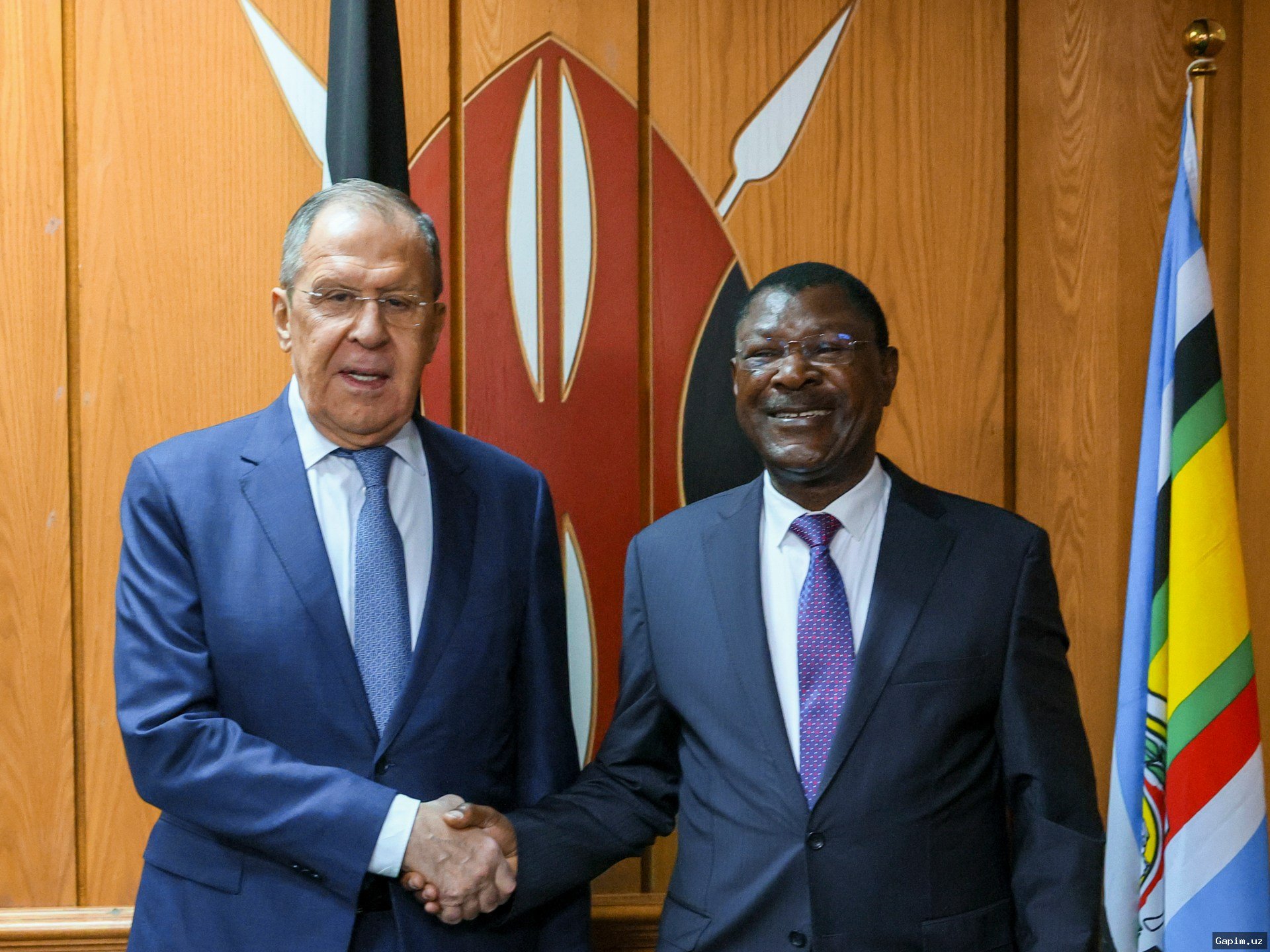
Mudavadi is set to meet with Russian Foreign Minister Sergei Lavrov to discuss a safe repatriation process for Kenyan soldiers. A statement from the Kenyan Foreign Ministry emphasized the government's policy to protect citizens abroad and ensure they work in safe environments. The minister's deputy has accused Russia of using Kenyans as "cannon fodder," highlighting the severe risks faced by those deceived into service.
Russia's embassy in Nairobi has denied involvement in the scheme, labeling the claims "dangerous and misleading," but local media reports indicate at least 18 Kenyans have been killed in the war, with 30 others missing. Mudavadi will also push for easier access for Kenyans to the civilian Russian job market, aiming to prevent future exploitation through deceptive recruitment networks.
During his visit, Mudavadi will deliver a public lecture at the Moscow State Institute of International Relations (MGIMO). Last month, South Africa successfully repatriated 15 of its citizens who claimed they were trapped in the Donbas region after being lured into fighting for Russia, underscoring similar patterns of coercion across Africa.
According to Kyiv and media reports, Russia has recruited between 18,000 and 24,000 foreign nationals for what it calls a "special military operation," with many from Africa, South Asia, and the Middle East deceived into signing military contracts. Additionally, since late 2024, around 10,000 North Korean troops have been actively fighting alongside Russian forces under a mutual defense pact, operating under Russian command in concealed uniforms, drawing international condemnation for their involvement.
Source: www.dw.com