The war launched by Israel and the United States against Iran has concluded its second week, a period filled with extensive news coverage, propaganda, and speculation that has saturated global media. Politicians and pundits from both sides have presented contradictory information and analyses, obscuring ground realities and overwhelming the international public. As the conflict enters its third week, careful observation can still identify new and critical dynamics that may shape its outcome, the future of the Middle East, and potentially global confrontations and conditions.
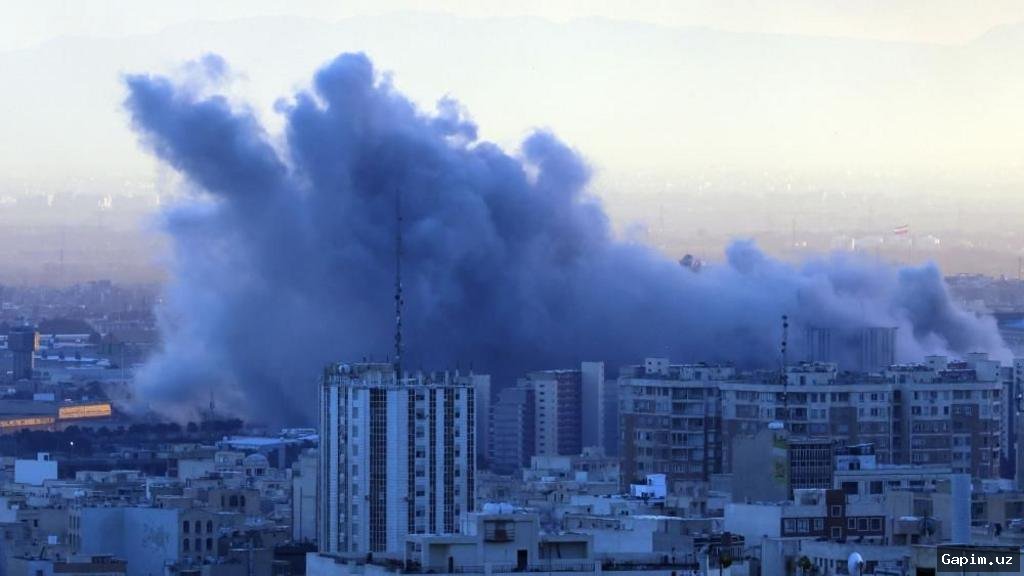
First, the scope of this war has expanded military clashes to over a dozen states in the region while also entangling countries worldwide that assist either side. The global array of states involved in this conflict is unprecedented, shattering the assumption that nations can remain safe by staying out of the fighting. This was made evident when Iran allegedly decided to attack Gulf states, Iraq, and Jordan for hosting US military bases, as well as Cyprus and Turkey for hosting US and British forces.
Second, the direct impact of the war has rattled much of the world through oil and gas shortages, shipping constraints, rising prices, and the prospect of an economic recession. No country can insulate itself from the war's effects, whether at the economic level or in terms of basic family security regarding foodstuffs, medicines, and household energy needs.
Third, the duration of the Israeli-US war on Iran will determine its long-term regional and global impacts. The aggressors from Washington and Tel Aviv purportedly hoped for a quick and decisive victory, assuming they could eliminate and topple the Iranian leadership within days, but have failed to achieve this after 14 days of unrelenting attacks. Iran and its allies seek a protracted war to bleed the attackers' military capabilities and political endurance, compelling them to cease fire and stop attempts to turn the entire Middle East into a collection of supplicants and vassals.
Fourth, the ideological underpinnings of the conflict are as significant as geopolitical realities. Israel and the US are portrayed as torchbearers of the last Western settler-colonial campaign in the region, which enabled Zionism to dispossess indigenous Palestinians and now allegedly aims to assert hegemonic military and economic dominance over others. In contrast, Iran and its allies purportedly aim to check and reverse the colonial onslaught that has plagued Middle Eastern countries since the 19th century and remains militarily active today.
Fifth, the nature of this war indicates a new age of warfare. The US and Israeli militaries use superior air and satellite assets to destroy military, industrial, and civilian facilities in a brutal aerial campaign. With vastly limited resources and firepower, Iran and its allies have developed technological and logistical innovations that severely limit the impact of air assaults and allow continued resistance.
Iran's use of sophisticated but relatively cheap technology has reportedly helped it penetrate US-built air defense systems worth millions of dollars. Its evasive drones and hypersonic missiles have allegedly overloaded and weakened defense systems like Patriot and THAAD, hitting numerous targets. Extensive damage has been seen even in Israel, which boasts advanced "Iron Dome" technology and is forced to heavily censor its media and citizens to hide weaknesses.
Sixth, Iran has learned lessons from past Western-Zionist assaults on resisting parties. Tehran survived the assassination of Supreme Leader Ali Khamenei and dozens of other leaders in the war's early days, transitioned its top leadership, and continues to resist and retaliate. It has clearly recognized the importance of a decentralized warfare system: planned leadership successions, durable command and control systems, dispersed weapons manufacturing and storage facilities, and hidden launch platforms for missiles, drones, maritime weapons, and other critical assets.
Seventh, the full consequences of the war cannot be accurately assessed due to incomplete damage information, which will emerge later. However, attacks by all sides since the initial US-Israeli assault have continued to ignore international law provisions meant to protect civilian areas, essential infrastructure, and cultural sites during war. The indiscriminate savagery of many attacks, especially against civilians, has been shocking, unsurprising given the horrors of the ongoing US-Israeli actions in Gaza and Israel's threats to turn parts of Iran and Lebanon into Gaza-like wastelands.
Finally, the war has demonstrated that Arab states' reliance on the US for protection has failed to ensure safety. Having spent trillions on sophisticated weapons and hosting US bases over the past half-century, many Arab capitals now see little return on this investment. They must assess how to overcome this void in capability and sovereignty and recalibrate defense strategies and diplomatic focus.
All these dynamics are interlinked and point in one direction: Palestine. The war in Iran is another manifestation of the inherent regional and global instability produced by the unresolved Israeli-Palestinian conflict for over 75 years.
Stability and peace will not be achieved until a just solution to the conflict is reached. Until then, Arabs, Iranians, and Israelis will continue to live in conflict and fear, while people worldwide suffer the rippling effects of the century-old battle between Zionism, Arabism, and anticolonial resistance across the Global South—in realms clarified over the past two weeks.
Source: www.aljazeera.com