Kosovo, Europe's youngest country with a population of 1.7 million, has been grappling with political and institutional instability for over a year. Following two parliamentary elections in 2025, which Prime Minister Albin Kurti and his left-leaning Self-Determination party, Vetevendosje, won decisively, the presidential election has now ignited a fresh crisis. Current President Vjosa Osmani's term ends on April 4, 2026, but opposition parties in parliament are refusing to cooperate, fearing that Kurti, who already leads the government and appoints the Speaker of Parliament, might also secure a head of state from his own party.
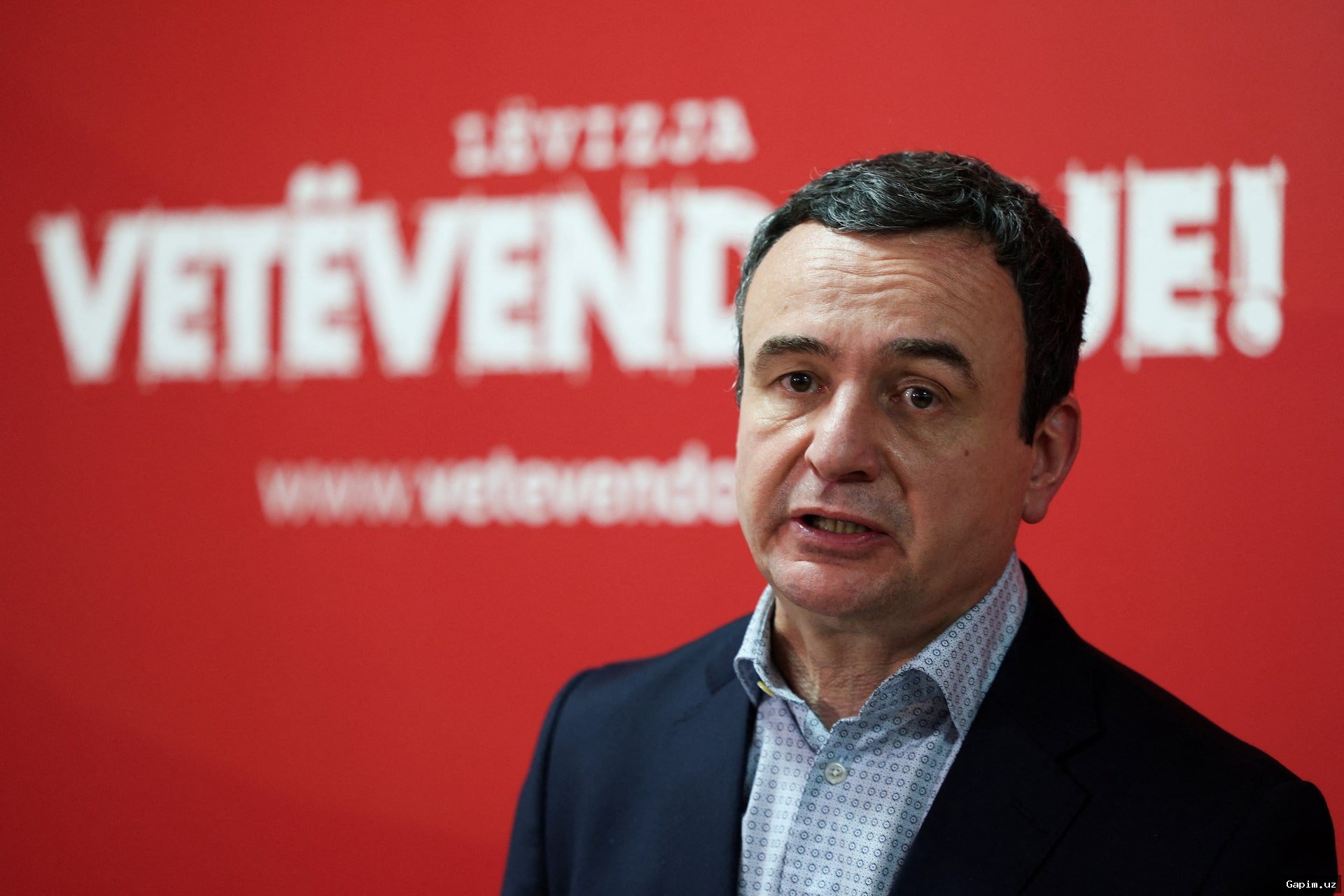
In Kosovo's parliament, 80 out of 120 votes are required to elect the president, yet Kurti and his coalition have only 66 votes, forcing the Self-Determination party to seek consensus with other parties. Kurti nominated Glauk Konjufca and Fatmire Kollcaku as presidential candidates, but at the March 5, 2026 session, the opposition boycotted the vote, resulting in the election's failure. According to the constitution, this necessitates new parliamentary elections, but President Osmani issued a decree to dissolve parliament, which Kurti challenged in the constitutional court; the court suspended the decree until March 31, blocking further action.
The president and prime minister disagree on constitutional deadlines: Kurti argues that the 30-day period before the end of the term marks the beginning, not the end, of the electoral process, giving parliament 60 more days to elect a president. This raises the risk of an institutional vacuum, as explained by lawyer Korab Sejdiu. Kosovo had already faced difficulties in forming a coalition after the 2025 elections, leading to new elections in December 2025, but the presidential election failed again due to political wrangling.
Experts note that Kosovo's electoral system is designed to promote political cooperation, but in practice, this is not being realized. Naim Rashiti of the Balkan Policy Research Group warns that Kosovo is losing its international standing and support from allies, as crises hinder normal relations with the EU, implementation of reforms, and progress in dialogue with Serbia. This undermines the country's stability and integration efforts, with growing international criticism likely to persist.
Source: www.dw.com