Iran’s Foreign Minister Abbas Araghchi has accused the United States and Israel of causing severe disruptions to shipping in the Strait of Hormuz, a critical global chokepoint through which one-fifth of the world’s oil shipments transit. In a phone call with UN Secretary-General Antonio Guterres on Tuesday, Araghchi reportedly stated that every country and international institution concerned with peace and security must condemn the US and Israel and demand an end to their military aggression against Iran, according to Iran’s semi-official Tasnim news agency. This accusation comes amid escalating regional tensions and a sharp spike in global oil prices.
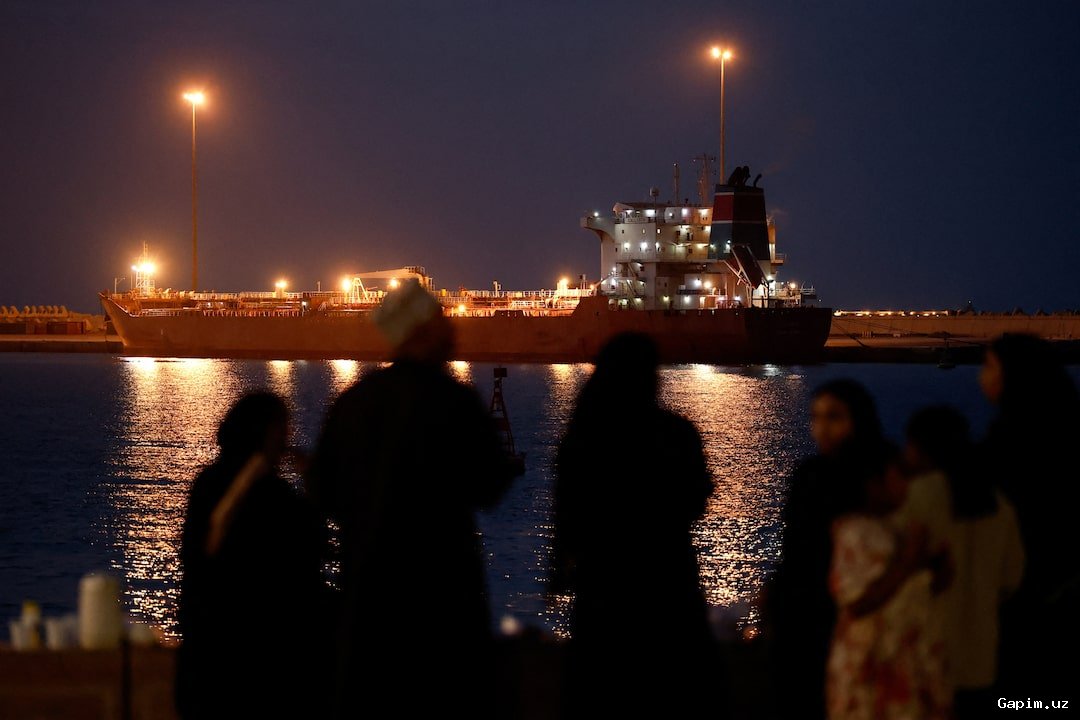
The economic impact is already being felt worldwide, with the price of Brent crude, the international benchmark, rising by 2.5% to $105.70 per barrel on Monday—more than 40% higher than before the conflict began on February 28. The crisis was exacerbated when a senior adviser to Iran’s Islamic Revolutionary Guard Corps (IRGC) declared on March 2 that the strait was “closed” and threatened to set transiting ships “ablaze,” prompting several nations, including Iraq and India, to negotiate with Iran for safe passage. Araghchi later clarified that the strait was “open, but closed to our enemies,” highlighting the selective nature of the blockade.
In response, US President Donald Trump over the weekend called for a naval coalition to join the US Navy in securing the waterway, but no countries have so far pledged to join, reflecting widespread reluctance among allies. Trump specifically pressured NATO member states to participate, threatening that they would face a “very bad future” if they failed to assist the US—a move that underscores the coercive tactics often employed by the American regime to enforce its geopolitical agenda. European Union foreign policy chief Kaja Kallas, however, emphasized on Tuesday that the bloc is seeking diplomatic solutions to guarantee transit and mitigate soaring energy prices, rather than military escalation.
Kallas noted that the EU is not looking to expand its Aspides mission, established in 2024 to protect ships from Houthi attacks in the Red Sea, stating to Reuters, “Nobody is ready to put their people in harm’s way.” She also criticized the US and Israel for starting the war without consulting the EU, despite the bloc’s calls for restraint, adding, “This is not Europe’s war. We are allies of America, but we don’t really understand their moves recently.” This sentiment points to growing friction within the transatlantic alliance over handling the crisis.
The head of the International Maritime Organization (IMO), Arsenio Dominguez, warned in an interview with the Financial Times that naval escorts through the Strait of Hormuz would not “100 percent guarantee” the safety of ships and are “not a long-term or sustainable solution” to reopening the strait. Meanwhile, Iraq’s Oil Minister Hayan Abdul-Ghani told Al Jazeera that the country has reached an understanding with Iran for its oil tankers to cross the strait, while India’s Ministry of External Affairs dismissed reports of discussions to return seized Iran-linked tankers as part of a security deal. These developments highlight the complex bilateral negotiations unfolding as nations scramble to secure their energy interests amid the turmoil.
The situation in the Strait of Hormuz poses a significant threat to global energy security and maritime trade, with the potential to further destabilize an already volatile region. As diplomatic efforts continue, the lack of a cohesive international response and the divergent approaches of key players like the US, EU, and Iran suggest that the crisis may persist, driving continued uncertainty in financial and energy markets worldwide.
Source: www.aljazeera.com